Religious itineraries

Sacred sites: saints, hermits and meditation in the Val d’Orcia

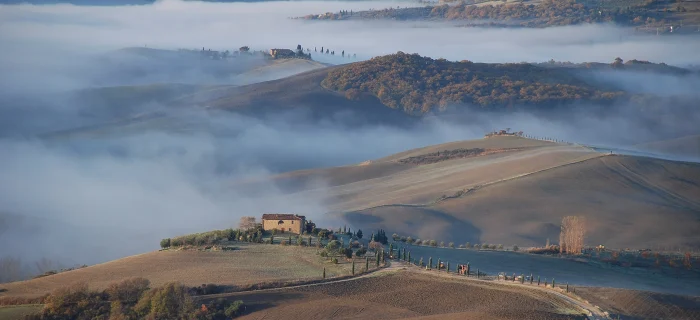
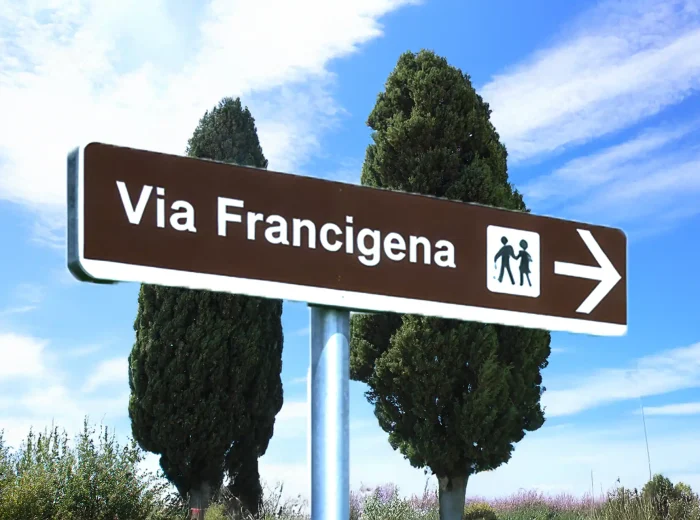
Since the Middle Ages, the Val d’Orcia has been a privileged area for life as a hermit and for contemplation. The presence of important transit routes, like the Via Francigena, combined with an isolated but not hostile landscape, encouraged hermits and religious communities to settle there and spiritual retreats to be established.

These sites reveal an intimate and concrete spirituality, deeply linked to the landscape, where silence, the fatigue of the journey and a direct bond with nature become tools of meditation.
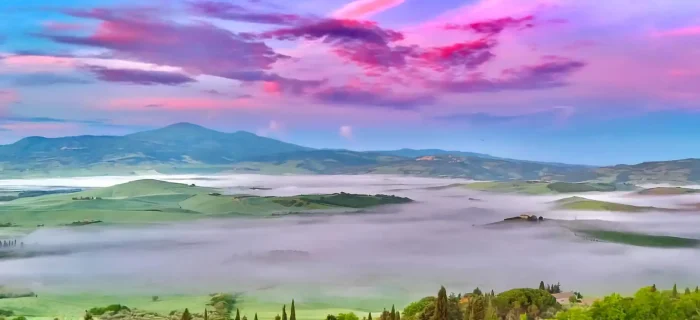
Radicofani and frontier spirituality

Sacred sites: saints, hermits and meditation in the Val d’Orcia

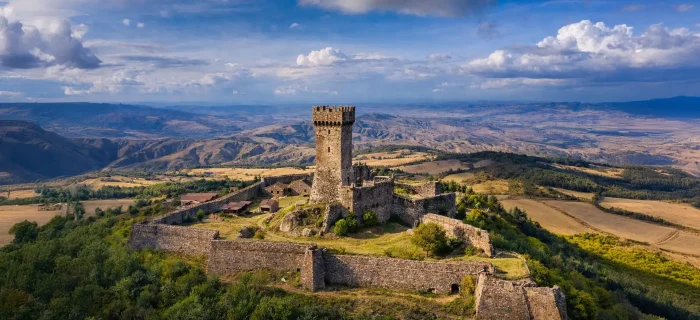
With its fortress and dominant position along the Via Francigena, Radicofani was a place of transit but also one of penance and moral authority. Spirituality, power and the welcoming of pilgrims converge here, in a rugged landscape that favoured ascetic practices and forms of rigorous religious life.

The first Christian communities and the parish churches

Sacred sites: saints, hermits and meditation in the Val d’Orcia

The presence of Christian communities in the Val d’Orcia is documented as early as the 5th century. 8th-century documents mention numerous parish churches along the ancient Roman and medieval roads, serving as religious and social reference points for the rural populations.

Among these, there is the Parish Church of Santa Maria de lo Spino, located about 2 km from Monticchiello, evidence of the early spread of Christian worship in the countryside.

Preaching, monasticism and popular mysticism

Sacred sites: saints, hermits and meditation in the Val d’Orcia

For centuries, the Cistercian monks of the Abbey of San Salvatore on Monte Amiata played a fundamental role in catechesis in the Val d’Orcia, through periodic sermons and popular missions that helped strengthen religious faith.

Alongside official preaching, mystics and hermits frequently appeared, wandering through villages and countryside, alone or in small groups, preaching the Gospel. Often considered dangerous or heterodox, they were driven out of the towns and found refuge in the countryside, relying on the support of local brotherhoods and farmhouses.

The Case of Monticchiello

Sacred sites: saints, hermits and meditation in the Val d’Orcia

Monticchiello is an important example of this intertwining of popular spirituality, hermitism and preaching.

The names of some farms, like Agonia (Agony) or Spino (Thorn), seem to symbolically refer to the Passion of Christ, suggesting the spread of congregations or devotions linked to suffering and redemption.

Monticchiello is home to the Compagnia del Chiodo (Company of the Nail), linked to the figure of Deifebo Caselli, author of ascetic writings. The missions of Blessed Giovanni Colombini and San Bernardino da Siena in the Val d’Orcia aimed to mitigate the harsh nature of the local populations, marked by constant wars and hard agricultural labour.

Prominent figures include:

  • Messer Domenico da Monticchiello, a doctor and poet and a member of the Jesuate movement
  • The Blessed Giovanni Colombini, a Sienese merchant who, around 1360, abandoned public life to devote himself to poverty and penance, founding the Order of the Jesuates, approved by Pope Urban V, thanks in part to Domenico da Monticchiello’s contribution

Giovanni Colombini died in 1367 in Abbadia San Salvatore, on Mount Amiata. His cult was recognised by the Church, although the Order of the Jesuates was later suppressed by Pope Clement IX.

The Blessed Giovanni Benincasa and the Buca del Beato

Sacred sites: saints, hermits and meditation in the Val d’Orcia

In the early 15th century, the Blessed Giovanni Benincasa, a hermit born in Montepulciano in 1375, arrived in the Monticchiello countryside. After an initial period of hermitage in Bagni San Filippo, which he found too crowded, he retreated to Monticchiello, settling on the lands belonging to the Servants of Mary.

He took refuge here, in a natural cave along the Tresa Torrent, known today as the Buca del Beato: a fascinating prehistoric cave with multiple levels and difficult to enter. The actual hermitage was located on the upper level.

This is where Benincasa lived for about twenty years, amidst plays of light, water and shadow, until he died in 1426. During the process for his beatification, his healing powers and gifts were recognised. His remains were disputed between the community of Monticchiello and the Servants of Mary and were finally kept in the Church of Santi Leonardo e Cristoforo, under the main altar.

To this day, the community of Monticchiello maintains a strong bond with the figure of the Blessed.

Places of hermitage and meditation

Sacred sites: saints, hermits and meditation in the Val d’Orcia
  • Buca del Beato (Monticchiello) – Ancient natural hermitage linked to the Blessed Benincasa. An isolated and difficult-to-reach place, accessible only with expert guides. During certain periods of the year, excursions are organised by Monticchiello’s Compagnia del Teatro Povero theatre company.
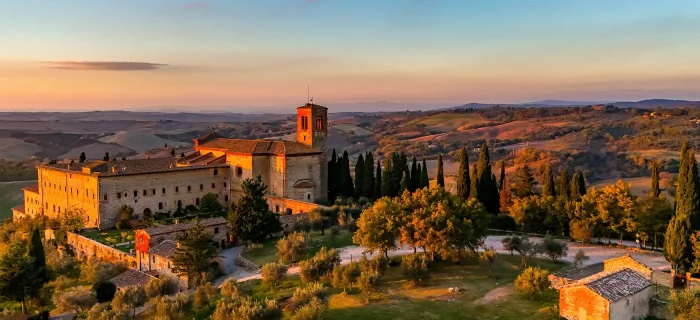
  • Sant’Anna in Camprena – Near Pienza, along the road leading to Bellaria. An ancient fortified hermitage, later a monastery, famous for its frescoes by Il Sodoma. It has now been restored and turned into a relais.
  • Hermitage of Santa Caterina (Pienza) – Founded in the 14th century and linked to the cult of Saint Catherine of Alexandria. In 1609, it was inhabited by a Venetian hermit who later mysteriously disappeared.
  • Ancient rural hermitages – Spread across the countryside between Monticchiello, Castiglione d’Orcia and Radicofani, many have now disappeared or have been incorporated into subsequent religious buildings.
  • Chapel of Madonna di Vitaleta – Near San Quirico d’Orcia. A symbol of tranquillity and meditation, set in the agricultural landscape. Today, it is a popular destination and hosts dawn concerts at certain times of the year.
  • Chapel of the Ermicciolo (Small Hermitage) or the Ermicciolo of San Benedetto – An 11th-century Romanesque gem in Vivo d’Orcia, in the municipality of Castiglione d’Orcia. According to tradition, it was founded by Saint Romuald and was inhabited by Camaldolese monks. It is a stop along the Sentiero dell’Acqua (Water Trail).
Sacred sites: saints, hermits and meditation in the Val d’Orcia

Landscape and silence as a spiritual experience

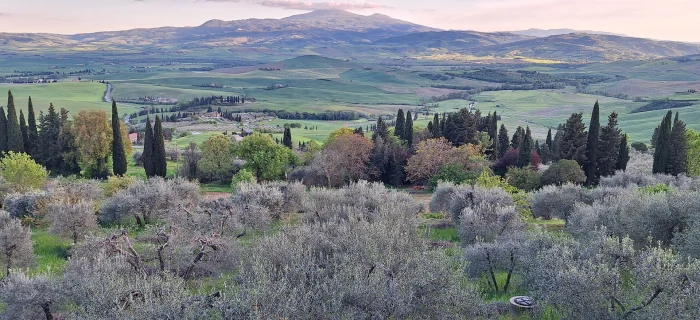
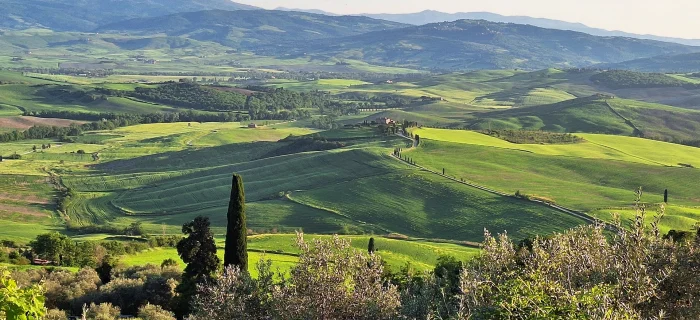
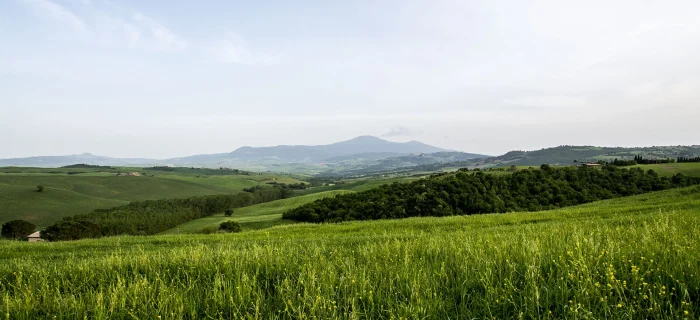
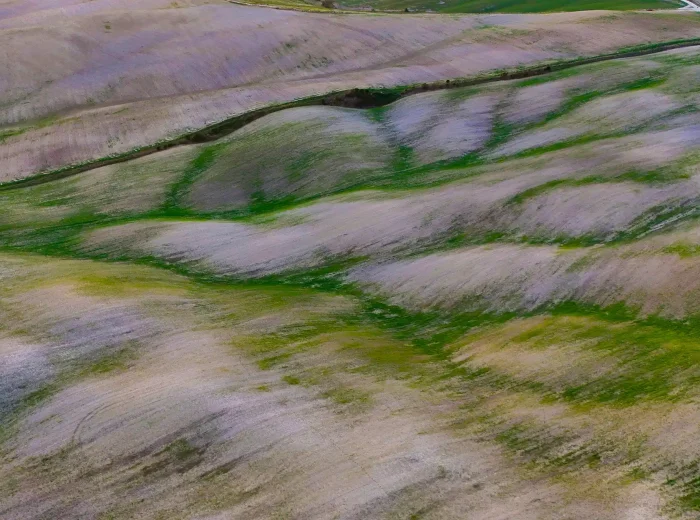
In the Val d’Orcia, spirituality and landscape are not two separate things: the rolling hills, the white trails, the isolated churches and the woods become an integral part of the religious experience. The walk itself takes on a meditative value, reflecting forms of slow and mindful spirituality that many seek to rediscover today.

Search

This site is registered on wpml.org as a development site. Switch to a production site key to remove this banner.