When it comes to organic legumes, Pienza once again takes centre stage. It does so in a unique way, stating that these products are “delicious” because they are born and grow in “happy” soils.
An intriguing and amusing combination that celebrates the prosperity of certain lands and is deeply-rooted in history: Traces of legume cultivation in the Val d’Orcia area date back some 3,000 years.
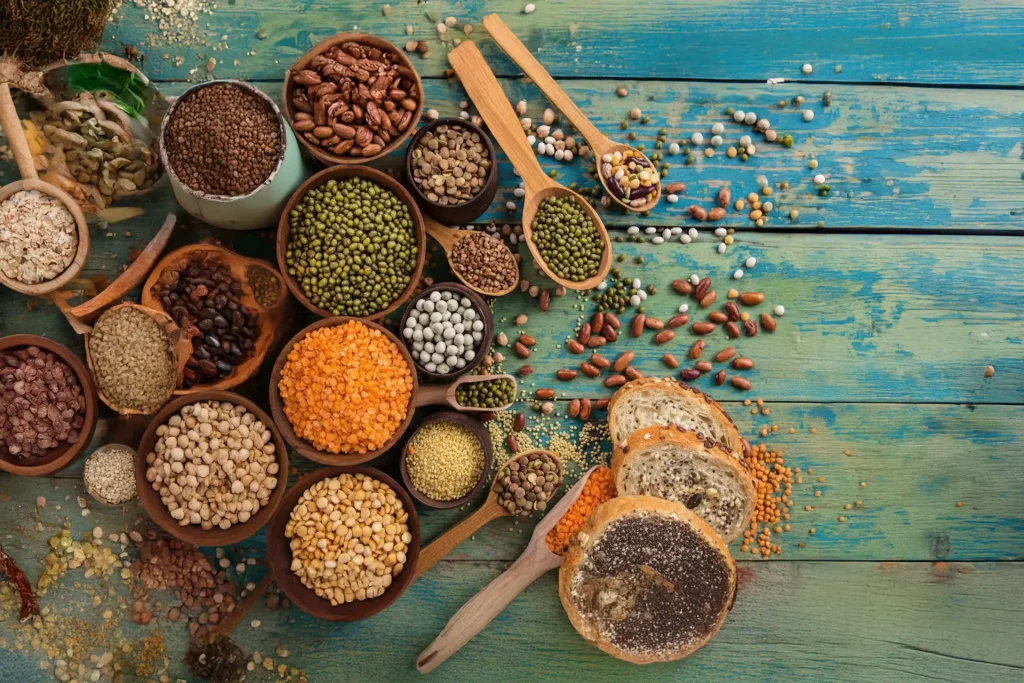
Pienza’s legumes
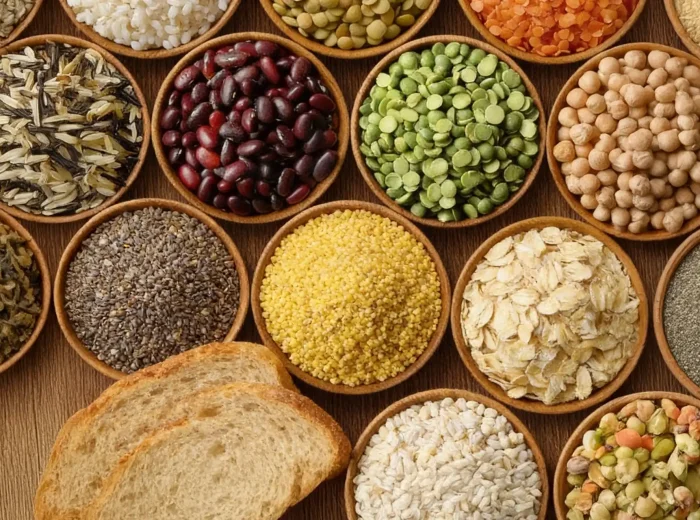
The products grown include classic varieties such as chickpeas, grass peas, beans, broad beans, lentils and peas, as well as ancient and tasty varieties such as the small chickpea and the rare fagiolina bean. To be labelled “organic”, a product needs to meet the certification standards specified by European Community regulations; a strict system of controls, established by law, then verifies its compliance with specific rules.
Trust between producers and consumers
Pienza’s organic legumes are also an expression of agriculture that looks to the future and a vision of the market that truly cares about consumer well-being and is based on a foundation of mutual trust. According to recent estimates, a significant part of the Utilised Agricultural Area in the province of Siena (approximately 185,000 hectares), equal to about 40% of the total, is farmed organically.
Chickpeas, an ancient and enduring favourite
Among the excellent organically produced legumes grown in the Pienza area, the “king” of the table is probably the chickpea. Among other things, its ancient history seems to date back to Iraq and Turkey, all the way back to the Bronze Age. Cultivation subsequently spread to Egypt and the Roman Empire, persisting through the centuries to the present day; the Pienza variety can be considered a native product, but in the meantime chickpeas have spread throughout the world. They are a high-calorie food, rich in proteins, carbohydrates, fats, fibre, starch, minerals and vitamins A and C, as well as saponins, substances that help the body eliminate cholesterol from the intestine. When fresh, they are gluten-free, highly nutritious and at the same time delicious. They are mainly found dried; simply soak them in water in order to restore all their qualities.
Soups and broths with legumes
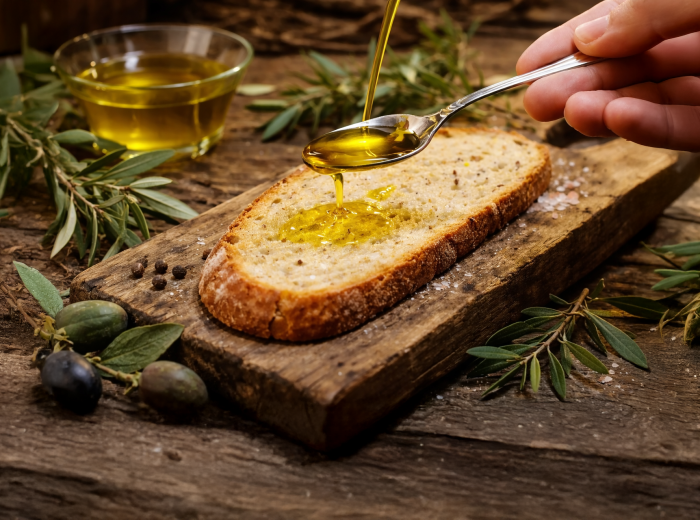
They thus become ingredients for magnificent, tasty and energising soups, seasoned with the ever-present drizzle of extra virgin olive oil or, for tagliatini with chickpeas, a typical soup served on Ash Wednesday, the first day of Lent. Among the traditional legume soups, we must remember broad bean soup, a local dish served in spring, when this unmistakable vegetable was abundant in the vegetable gardens.