Along with the quality of life, the extraordinary natural and architectural landscapes (that blend harmoniously, in an amazing way), the climate and the geographical location, one of the reasons why Pienza is so popular and deeply loved is the food it has to offer, based on typical products.
This is because virtually the entire range of specialities available for you to taste in Pienza comes from the rural territory and agricultural traditions; there’s nothing artificial or invented.
Products that speak of the land, of stories and of customs
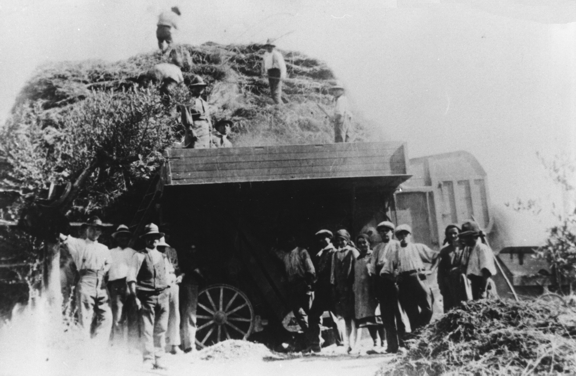
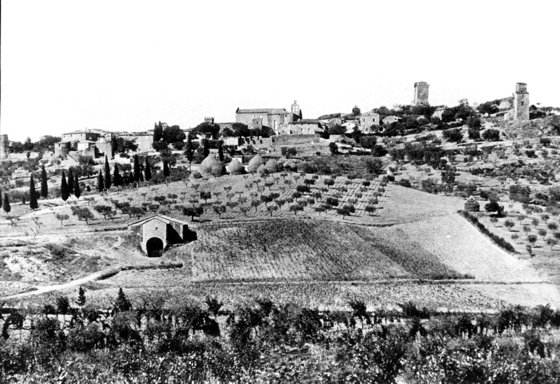
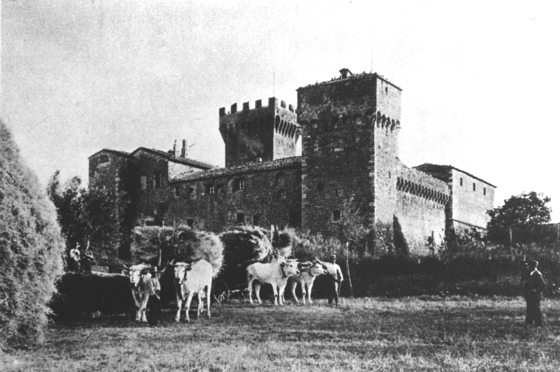
Therefore, while sitting at the table or even while enjoying a rustic snack, your sense of smell and taste will pick up on something that “speaks” about history, customs and that land, which is challenging to work, but generous with its fruits. Above all, there is the pride of the people of Pienza in consuming and offering authentic products, passed down through generations.
Bread
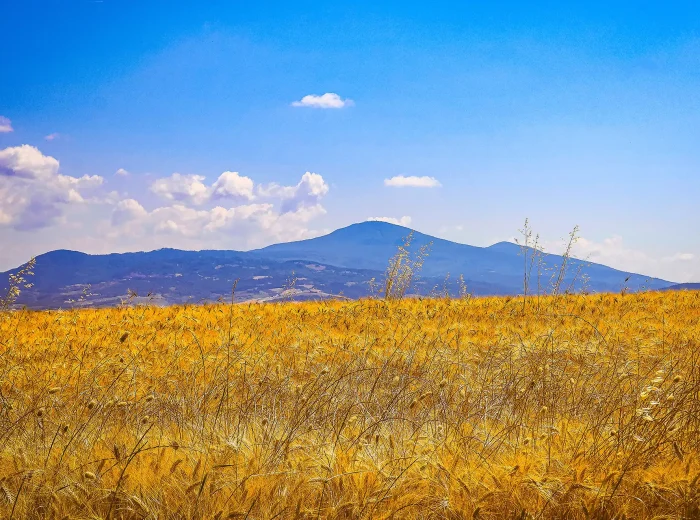
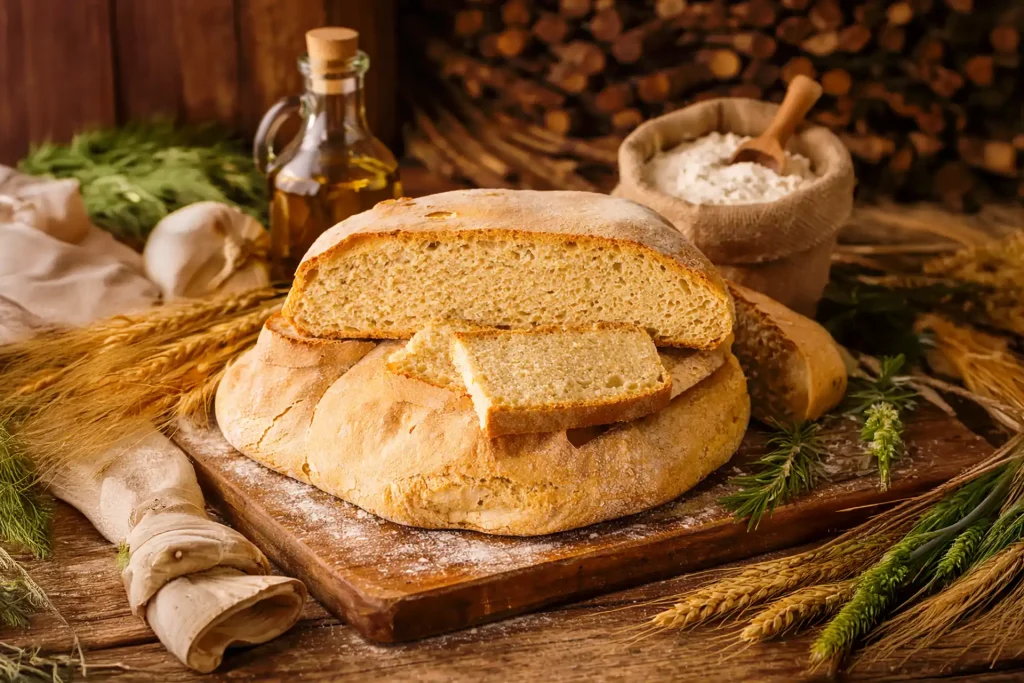
Thus, an ideal overview of these specialities really must begin with bread. Its basic ingredient, flour, is made from Val d’Orcia wheat, preferably an “ancient grain” (like Senatore Cappelli or Verna, to name just two) that has resisted the introduction of modern varieties and has been skilfully revived and its value enhanced. The aroma and flavour of bread made from ancient grain flour are more intense. It is highly digestible and offers a range of properties that are beneficial to the body and well-being.
Bread Recipes
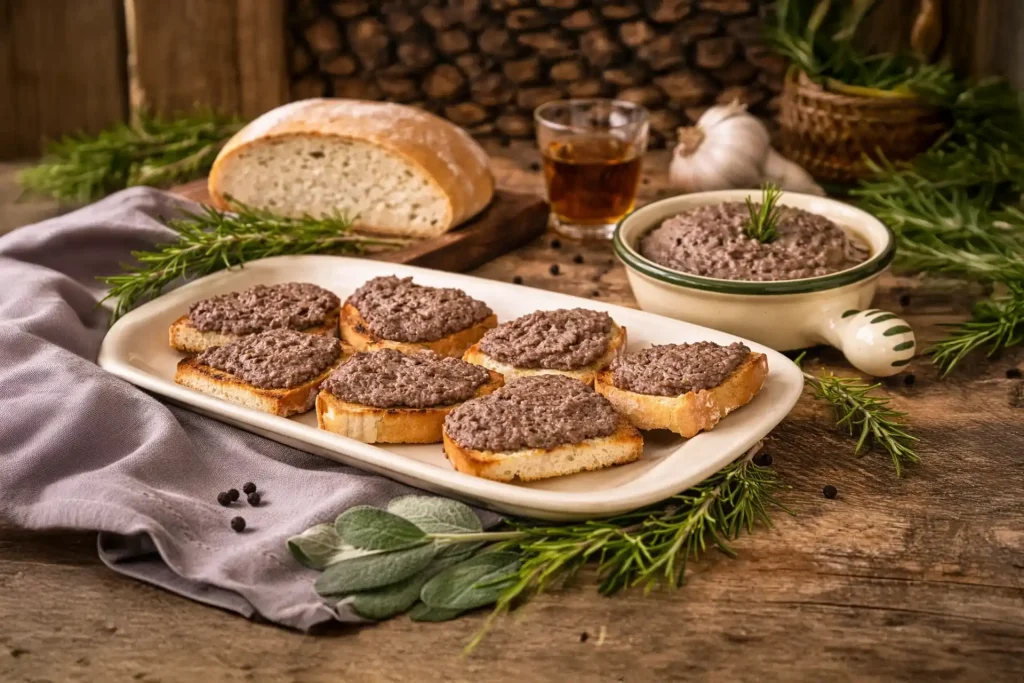
In addition to being eaten fresh and to accompany dishes, bread can be toasted and used as a base for delicious crostini with chicken liver (or also with heart and spleen), which is cooked, browned and deglazed with wine. Onion, anchovies and capers are added to create a pâté with an unmistakable, unique flavour. In summer, stale bread soaked in water, well squeezed and crumbled, can be used by adding plump, fleshy wedges of tomato, a few lettuce leaves and an onion (which is a must – possibly after being left in salt water to cleanse) and seasoned with oil, salt and vinegar, creating an attractive, light and refreshing panzanella. Easter rituals include the ciambella, another flour-based, ring-shaped baked product flavoured with cheese and eaten on Easter Sunday with hard-boiled eggs and capocollo, a type of cured pork.
Extra virgin olive oil
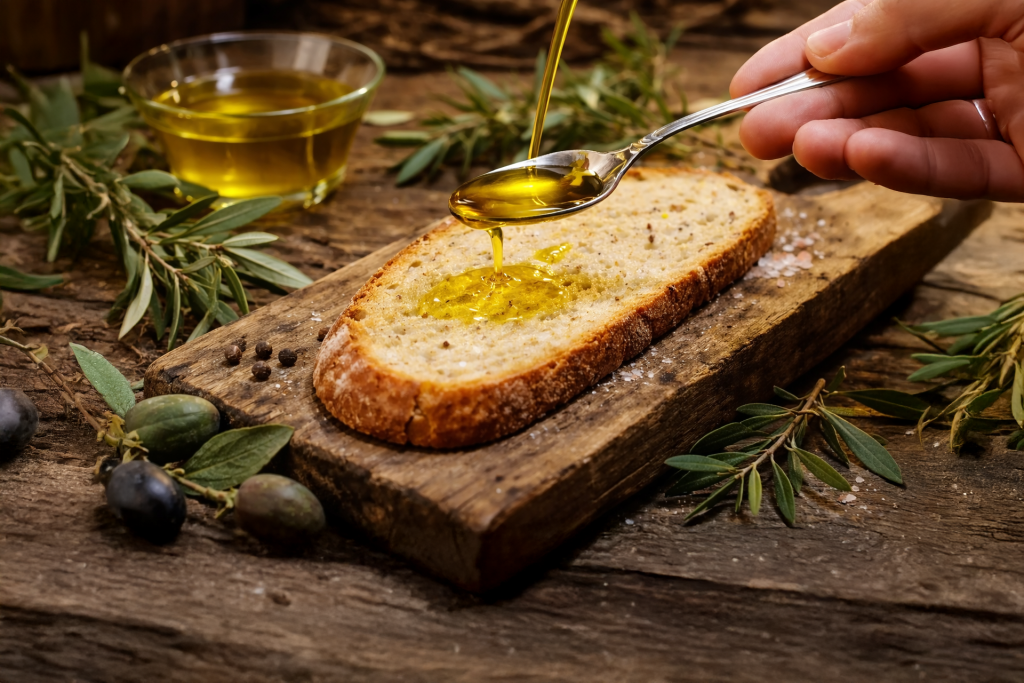
The ideal ingredient to add to bread, for a bruschetta or a crostino, is extra virgin olive oil, guaranteed by DOP and PGI designations and made from olive varieties (frantoio, leccino and moraiolo are their names) specific to Pienza and the Val d’Orcia. The cultivation of the olive plants, the harvesting of the olives and their subsequent processing all receive meticulous care and attention, ensuring the quality of the oil, which has always been considered an almost “sacred” product, due to its healthy and medicinal properties, which go beyond the purely nutritional aspect.
Pici
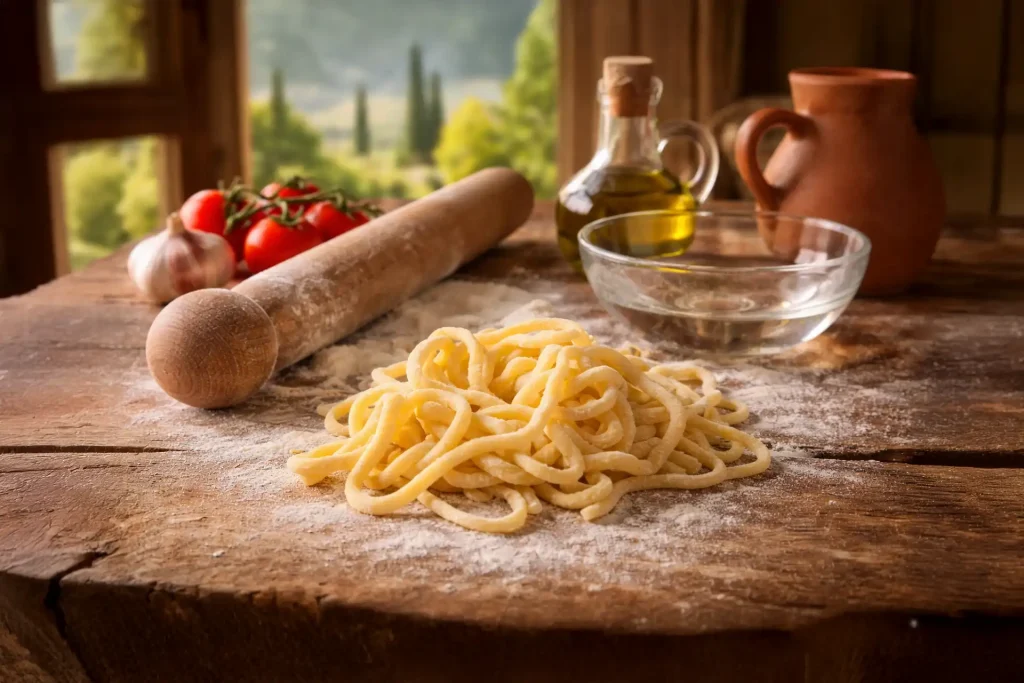
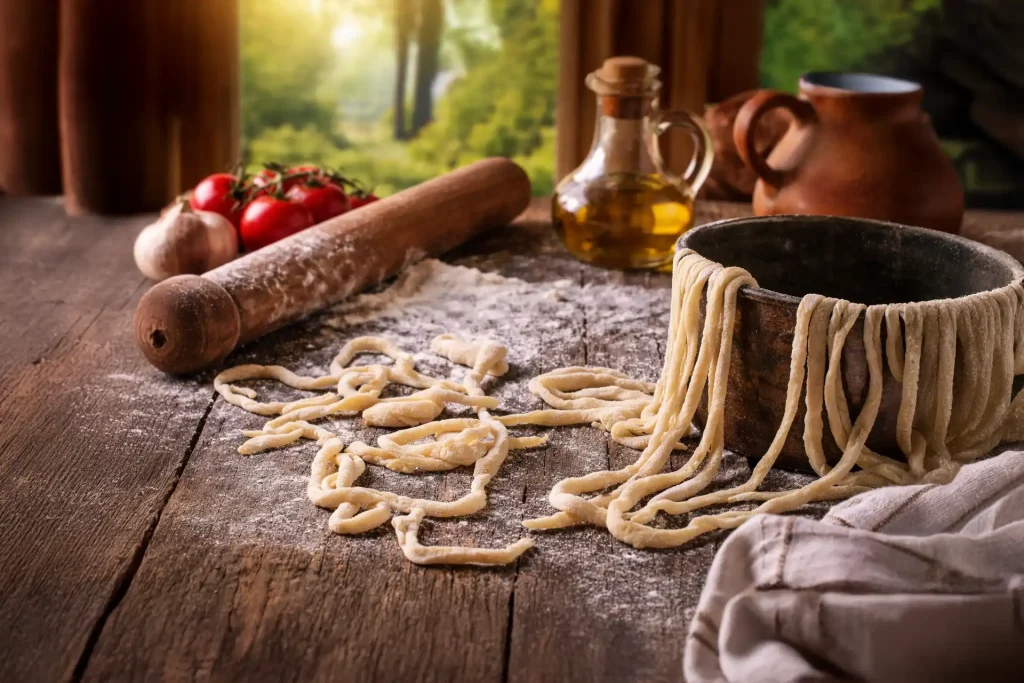
Another typical product linked to wheat and flour is “pici”: this is a type of pasta and the quintessential first course in Pienza cuisine. They are like thick, irregular-shaped spaghetti, hand-rolled from a dough made only from flour, water, oil and salt and, according to some, an egg. The result is a delicious type of pasta that has various “relatives”, some closer than others, throughout central Italy and that, despite countless attempts to imitate it, remains truly unique.
Seasoning the pici pasta
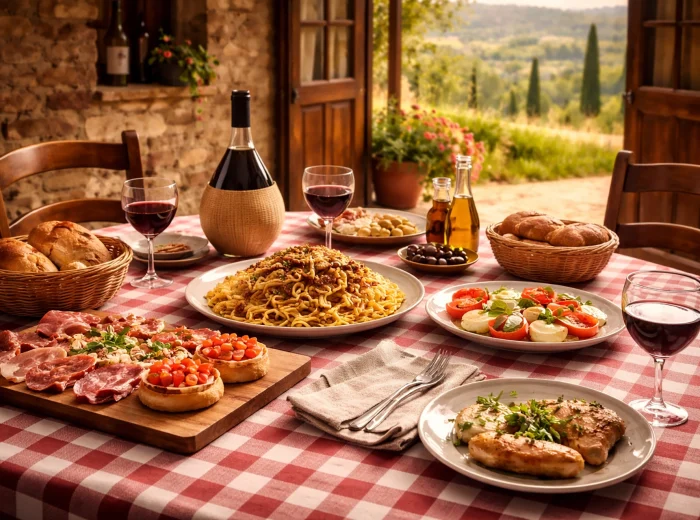
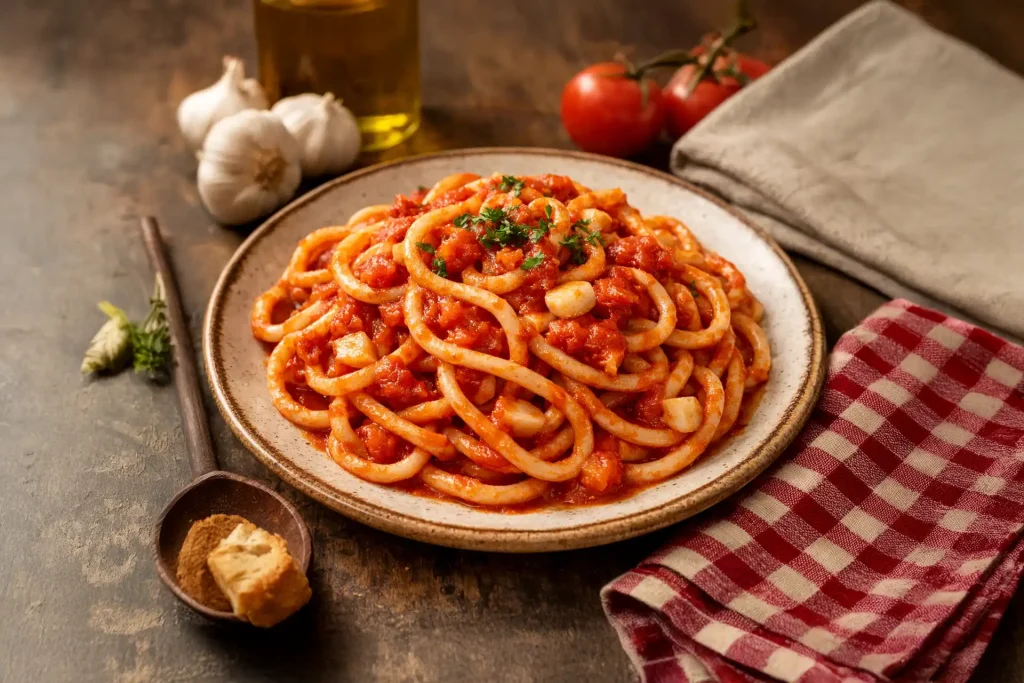
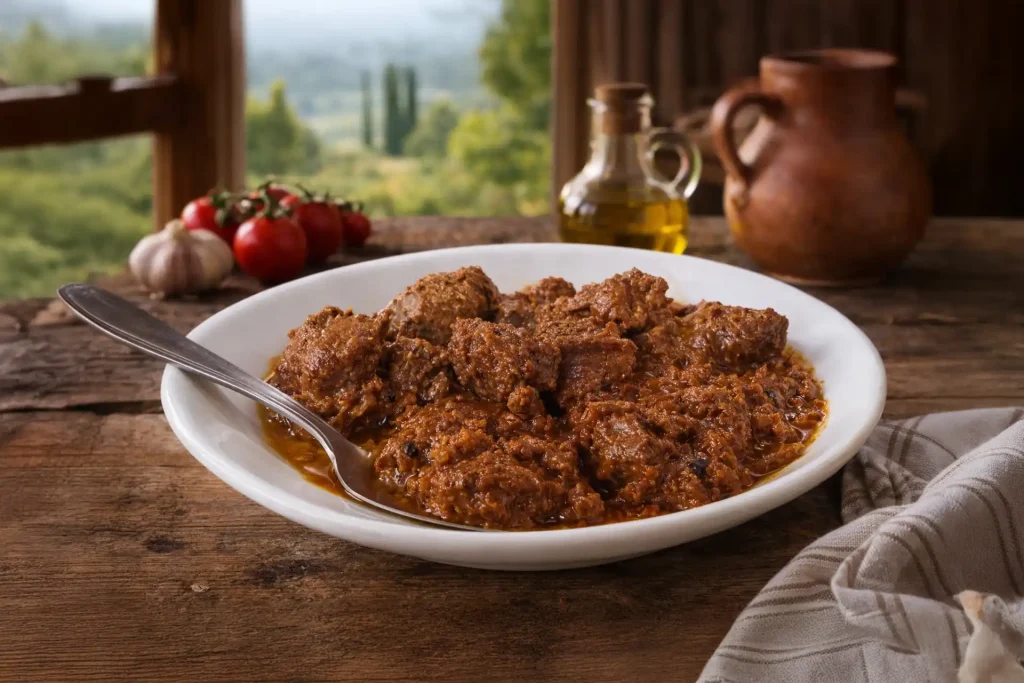
The types of seasoning also invariably speak about the region, from the meat sauces (beef, wild boar or Cinta Senese DOP pork) to sauce with aglione, a variety that has all the qualities of garlic and none of the defects of its popular but less prized cousin, cacio e pepe sauce, which can be made with Pienza pecorino cheese, and briciole sauce, which is coarsely crushed bread sautéed with extra virgin olive oil, both local.
Homemade pasta and soups
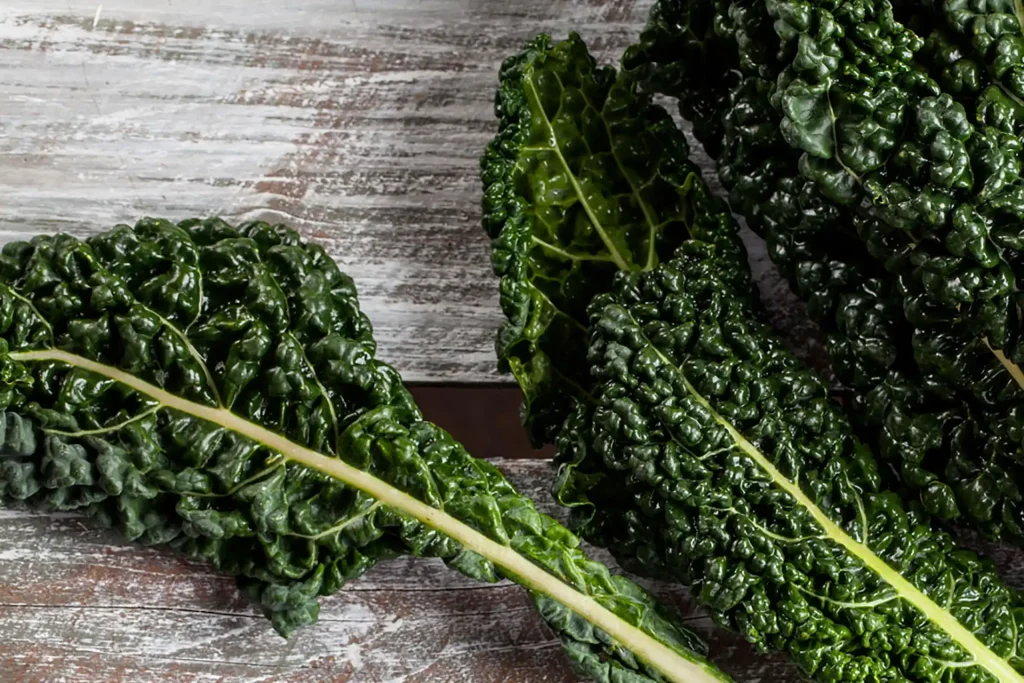
Of course, the homemade pastas include tagliatini, served in broth or with mushrooms or truffles, tagliatelle, gnocchi and ravioli, filled with a combination of Pienza ricotta and local vegetables, enhancing the qualities of both ingredients. The soups are also highly recommended, especially bean soup, but also bread soup, made with potatoes, chard, onion and tomatoes, featuring Tuscan kale as its main ingredient.
Pienza pecorino cheese
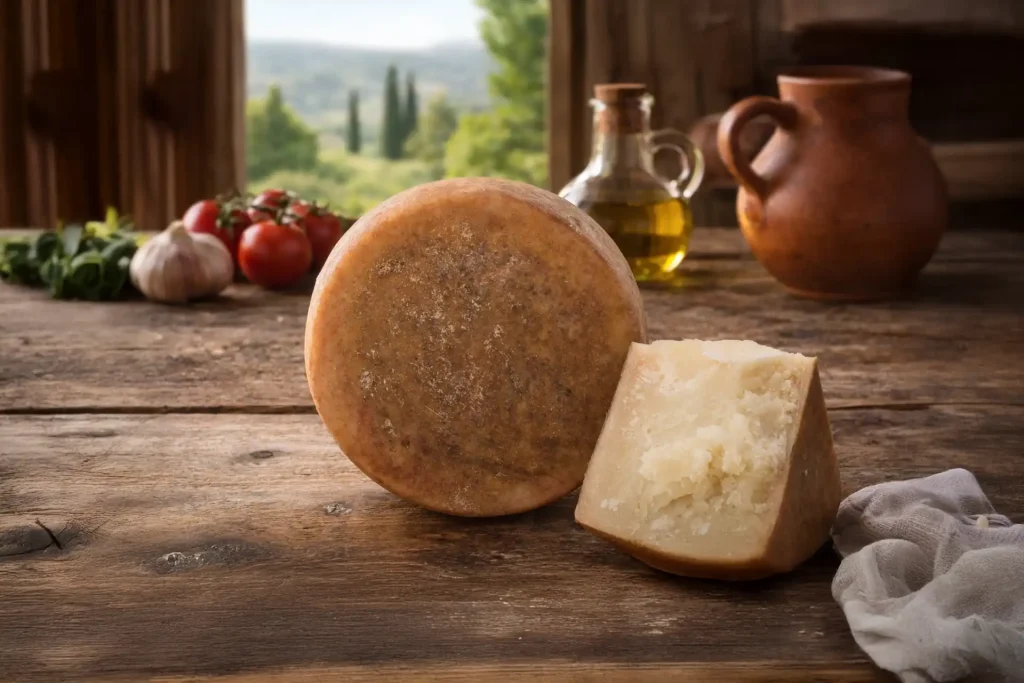
We’ve mentioned it several times, but now let’s give this local glory the proper attention: Pecorino di Pienza, a cheese that, also thanks to commitment, skills and rigorous production process, has earned a prominent place on the global scene. There are various versions available, based on the period of ageing, storage and flavouring options. Pecorino (or cacio) di Pienza is only made from sheep’s milk, through carefully controlled processes; its inimitable flavour is a result of the blend of aromatic and medicinal herbs on the vast hilly pastures where the sheep graze, thus transferring those flavours and fragrances into their milk. Honey, jams or mostarda are used to accompany the pecorino cheese which many people also loved grilled. Seasonal mushrooms and chestnuts are a welcome addition to the table in autumn and are often the result of expert foraging in the woods.
Meats
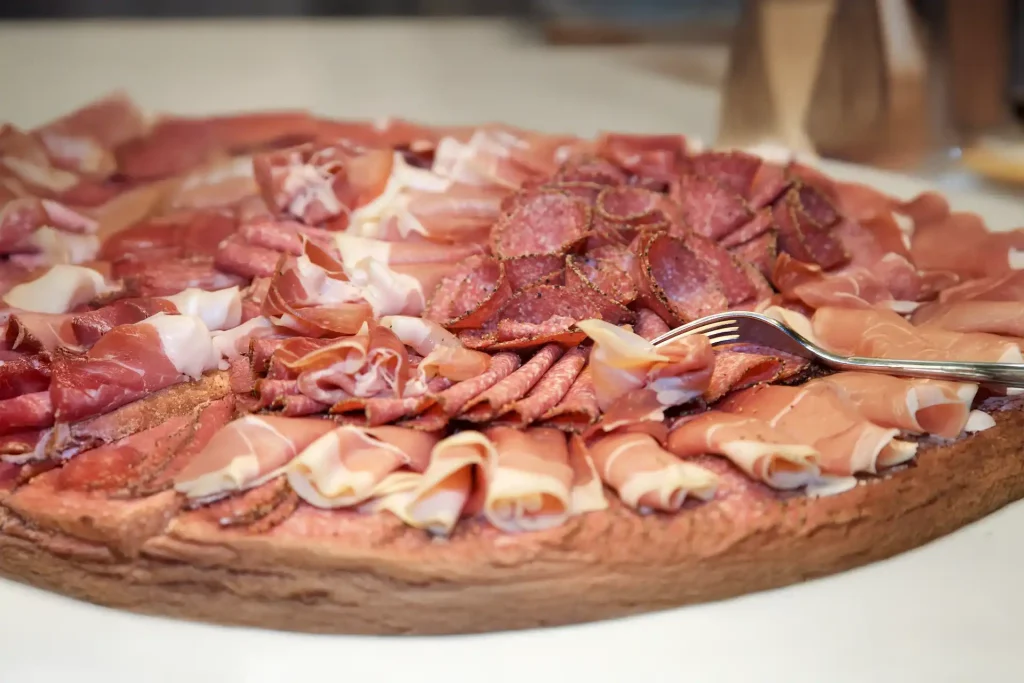
We’ve already mentioned meats, but it’s worth noting that Cinta Senese is a native breed of pig, of ancient origin, known to the Etruscans and Romans and bred since the early 1900s. This rustic but agile pig is characterised by a ring-shaped belt of white fur (known as “the cinta”) on its coat and its meat has an extraordinary flavour: sausages made from this meat, both fresh and dried, are unparalleled. Naturally, the products include both cured meats, such as the lean and flavourful Tuscan prosciutto or the less aged and more aromatised finocchiona, a distinctive variety of cured meat, and also fresh meats, used for condiments or consumed as main courses.
Other meat and fish main courses
Naturally, game is also included in the selection of main courses: wild boar, wood pigeon, woodcock and hare. Freshwater fish, like pike, tench, eel and perch, are used in tegamaccio, a type of fish soup, and brustico, based on filleted and roasted fish.
Side dishes
Among the side dishes, the vegetables preserved in oil, a popular local delicacy, stand out, along with cabbage, onions and turnip greens, known locally as pulezze.
Pastries and desserts
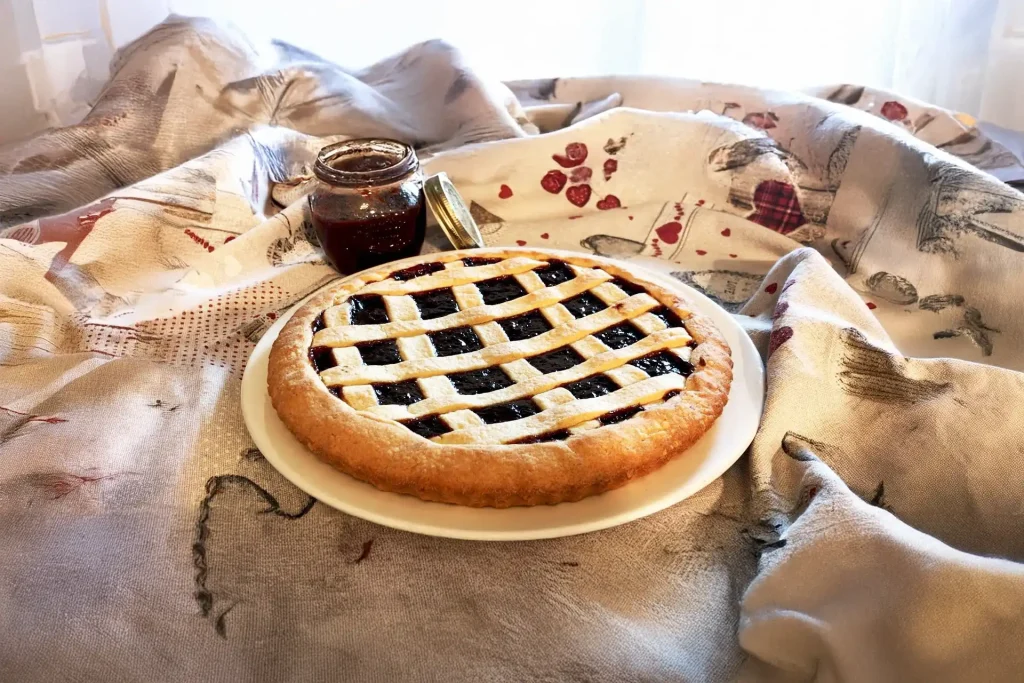
Let’s move on to pastries and desserts: in addition to the classic homemade cakes, such as tarts (preferably with jam made from “scosciamonache,” local plums with a rich pulp and a sour taste) or ciambelloni (Bundt cakes), in Pienza you can also enjoy the famous cantucci, hard biscuits with almonds or hazelnuts and an original shape, homemade ricciarelli almond biscuits or, lastly, the “serpe”, made from almond paste and candied fruit and formed into a strip with a series of bends that remind you of snakes.
Orcia DOC wine to accompany them
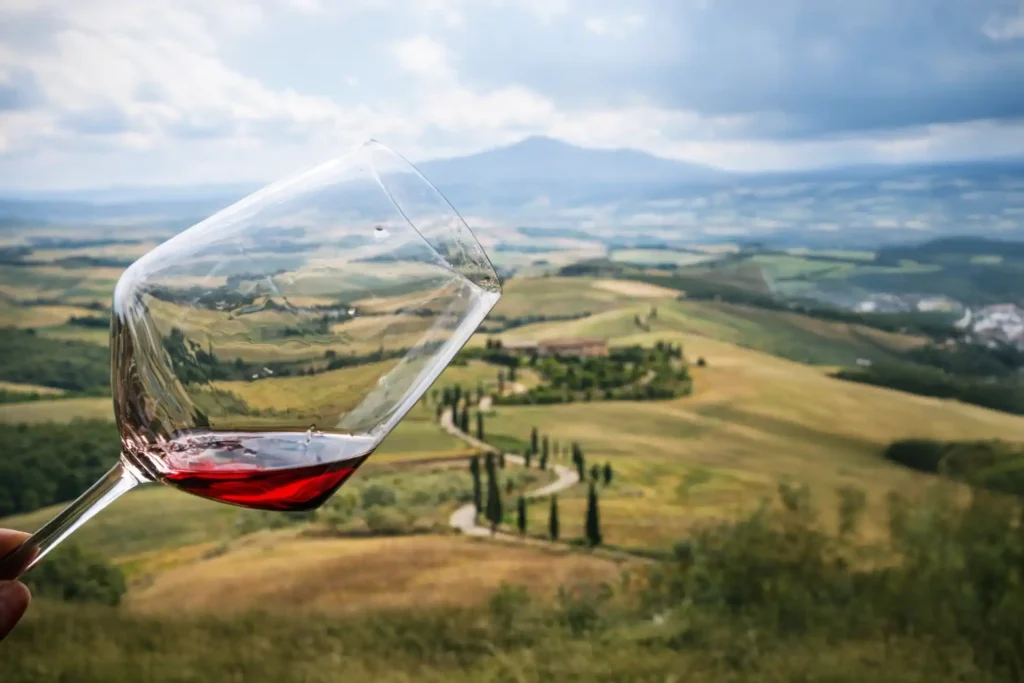
Choosing the ideal wine to drink with such exquisite dishes is easy: Orcia DOC, in its various forms, offers all the best solutions for enhancing flavours and aromas. Then there is a Vin Santo, a dessert wine, for meditating and to drink in company, ideal at the end of an excellent meal like one you can enjoy in Pienza.