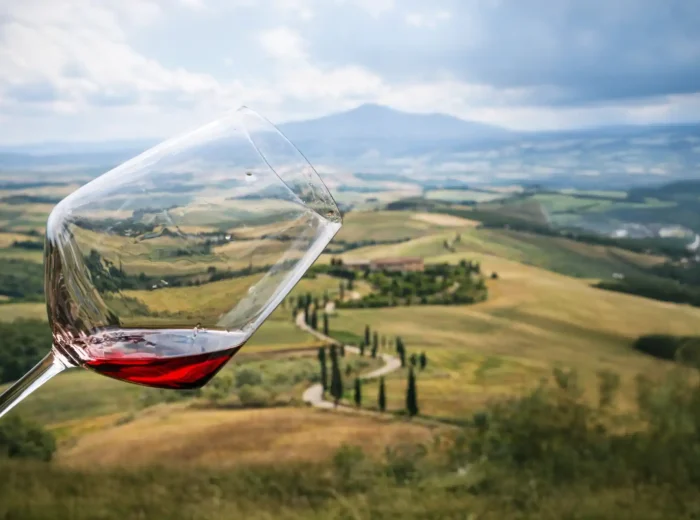
Cheesemaking in the Val d’Orcia is a very ancient tradition.
Man has selectively bred sheep for milk production; it’s no coincidence – as experts have observed – that while lamb is abundant in the area’s traditional recipes, mutton is virtually absent: Hence, the flocks were raised for dairy production, which increased, both in quality and quantity, with the arrival of Sardinian shepherds.
The best cheese for 2,000 years
In his monumental Natural History, written around 70 AD, Pliny the Elder mentioned the production of sheep’s milk cheese in Tuscany. In the 15th century, Pope Pius II indicated that “Cacio di Siena” was the best pecorino cheese. However, the discovery of large earthenware vats near Pienza has shown archaeologists that this cheese was already being produced in prehistoric times.
The Arrival of the Sardinian Shepherds
As mentioned, the pecorino (or cacio) cheese of Pienza is also a lovely story of encounters and cultural fusion. In the 1960s, the abandonment of numerous farms and the arrival of dozens of Sardinian shepherd families with their flocks of sheep led to a partial transformation of the product.
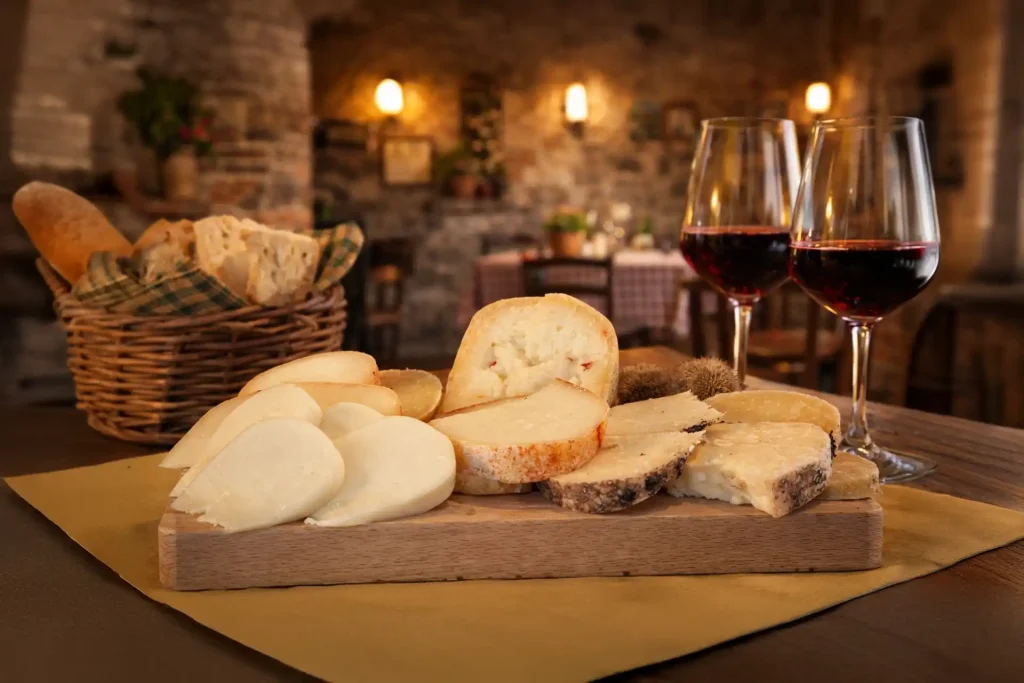
The cheese production elite
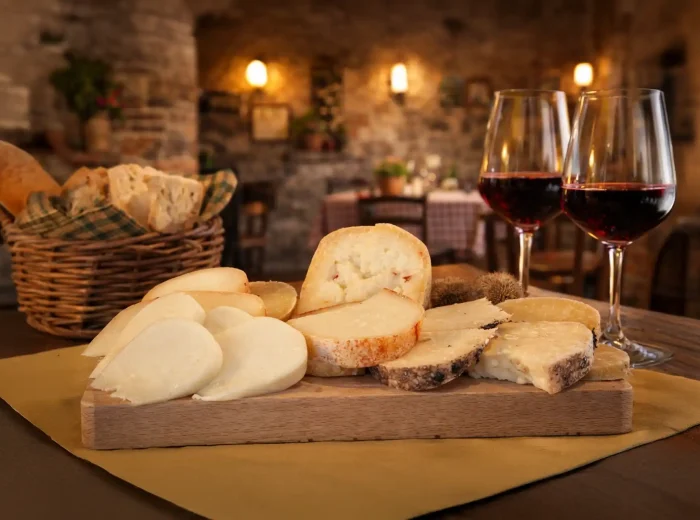
Today, Pecorino di Pienza is considered one of the finest cheeses in Italy. It can be purchased throughout the country, has acquired well-deserved international fame and has been awarded numerous prestigious prizes. Furthermore, thanks to its extraordinary flavour, nutritional properties and quality, it has become a protagonist in Italian cuisine. The dairies in the Val d’Orcia, places where work is demanding and is also a responsibility, show a cleanliness that is not only the result of compliance with hygiene standards, but it is primarily an expression of the dignity of those who work there, along with their pride in the product.
Unmistakable flavours and fragrances
What still makes Pecorino di Pienza an unmistakable cheese, like it was many centuries ago, is the unique and fragrant mixture of aromatic and medicinal herbs in the pastures, including different varieties of mugwort, wild grasses, clovers, savoury, wild thyme, helichrysum, lesser calamint, goat’s beard, wild chicory and wormwood. Thus, the sheep enjoy a rich and varied diet that – along with environmental quality and the healthy local lands – gives the milk a complex bouquet, which is reflected in the quality of the cheese and its distinctive character.
A Product for every table
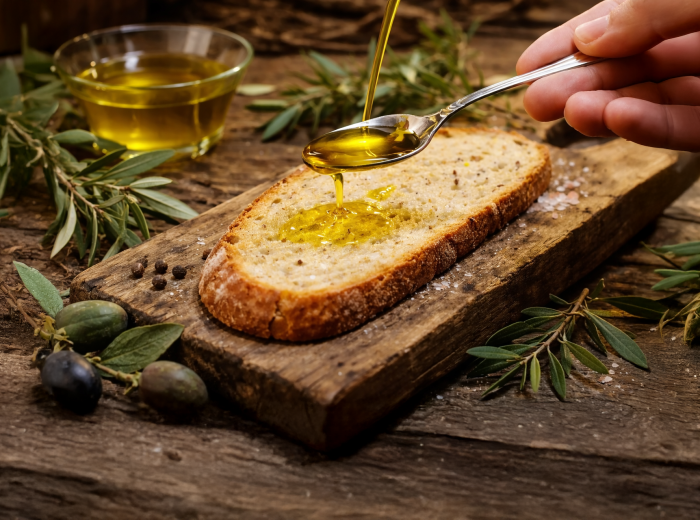
Pecorino has always been part of the local food tradition. Production techniques are traditional, using vegetable rennet, slow natural ageing (carried out on fir wood boards, in barriques, in terracotta jars, in ash, in bran or in tufa pits) and basting of the rinds with olive oil, which prevents them from drying out.
Categories, based on maturation
Pecorino cheese is classified based on its period of maturation, which can be divided into five categories:
- Fresh, matured less than 30 days, available only during the months when the sheep produce milk;
- Semi-mature, up to 60 days, mild and moderately aromatic, with a firm texture and a reddish rind, since it is rubbed with tomato;
- Mature (up to 6 months) or very mature (up to 18 months), with an intense, persistent flavour and a texture that tends to flake;
- Fermented, with the final months of maturation taking place in closed containers with grape marc or walnut leaves;
- Spiced, from semi-mature to mature, with the addition of pepper, chilli pepper or truffle.