Historic Centre - a UNESCO World Heritage Site

Palazzo Borgia Diocesan Museum

Palazzo Borgia Diocesan Museum

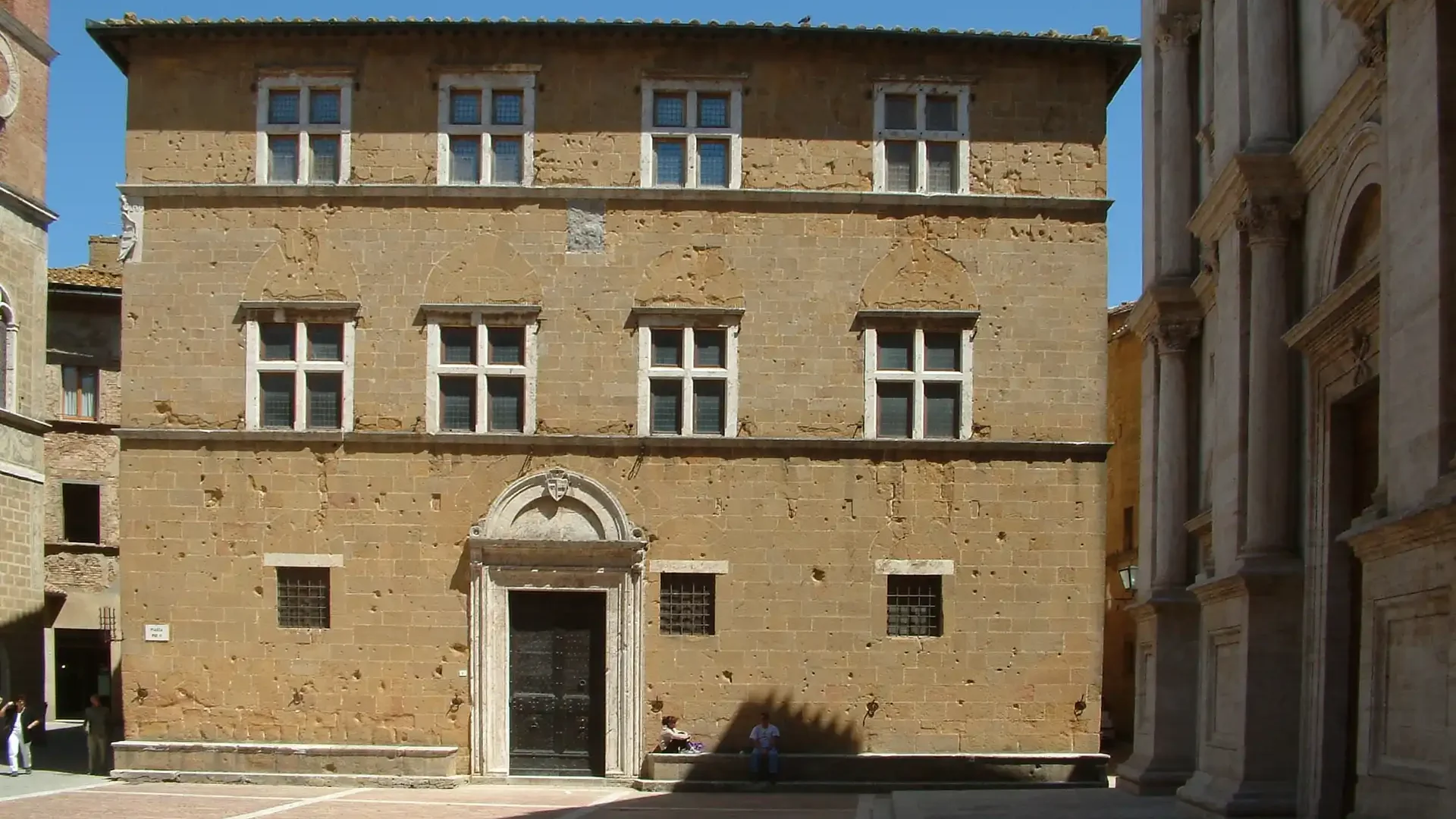
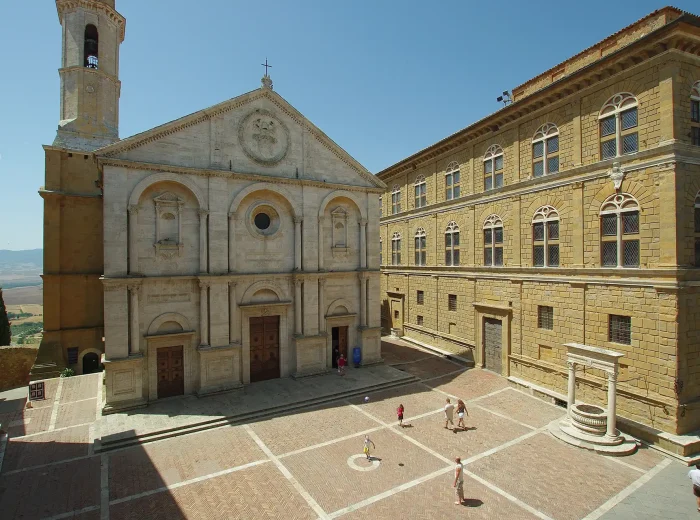
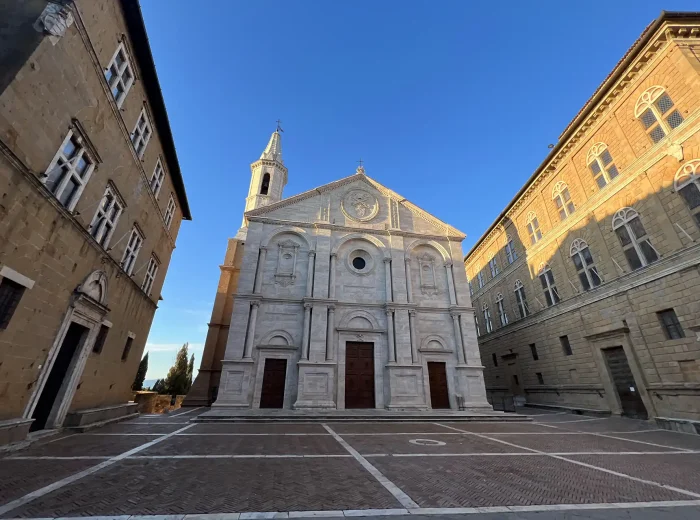
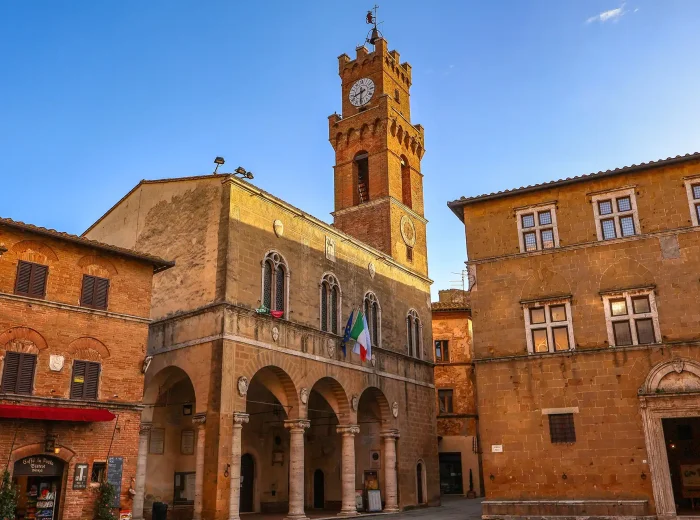
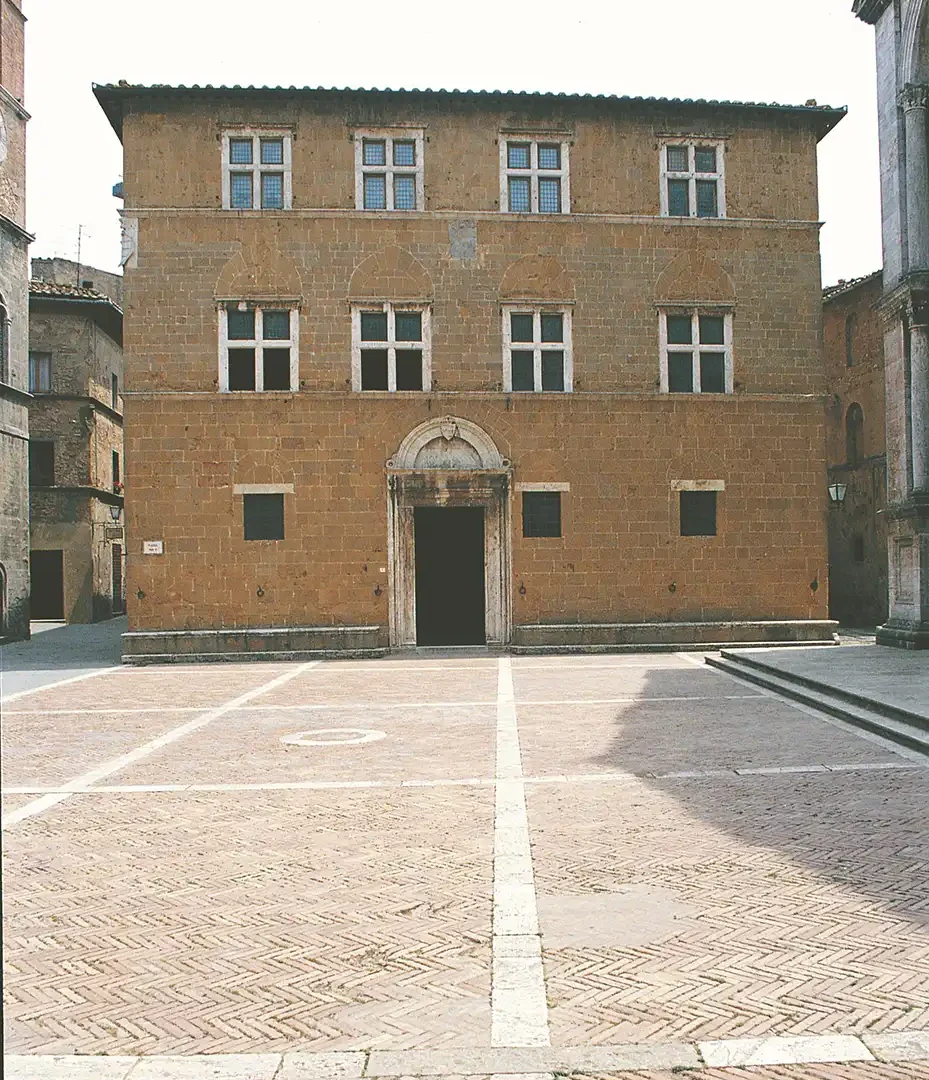
The Episcopal Palace of Pienza is a key architectural element in the Renaissance urban complex conceived by Pope Pius II; it stands to the left of the Cathedral and was intended for Cardinal Rodrigo Borgia, the future Pope Alexander VI.

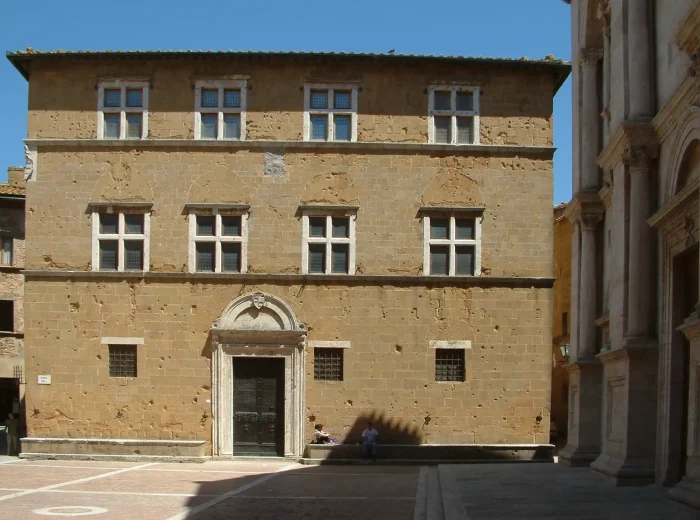
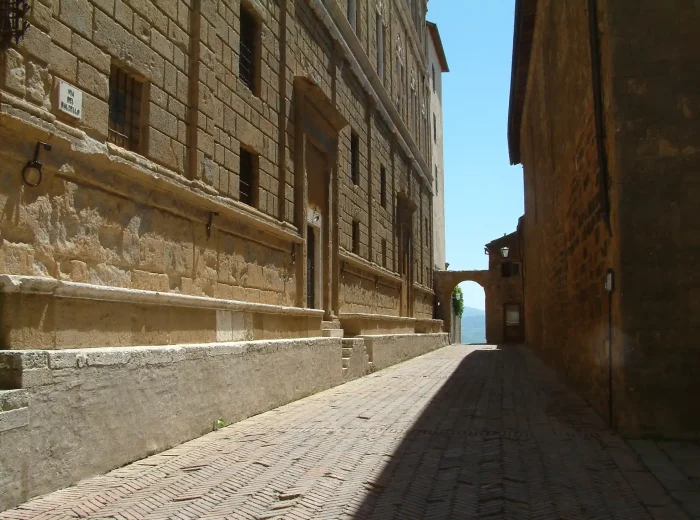
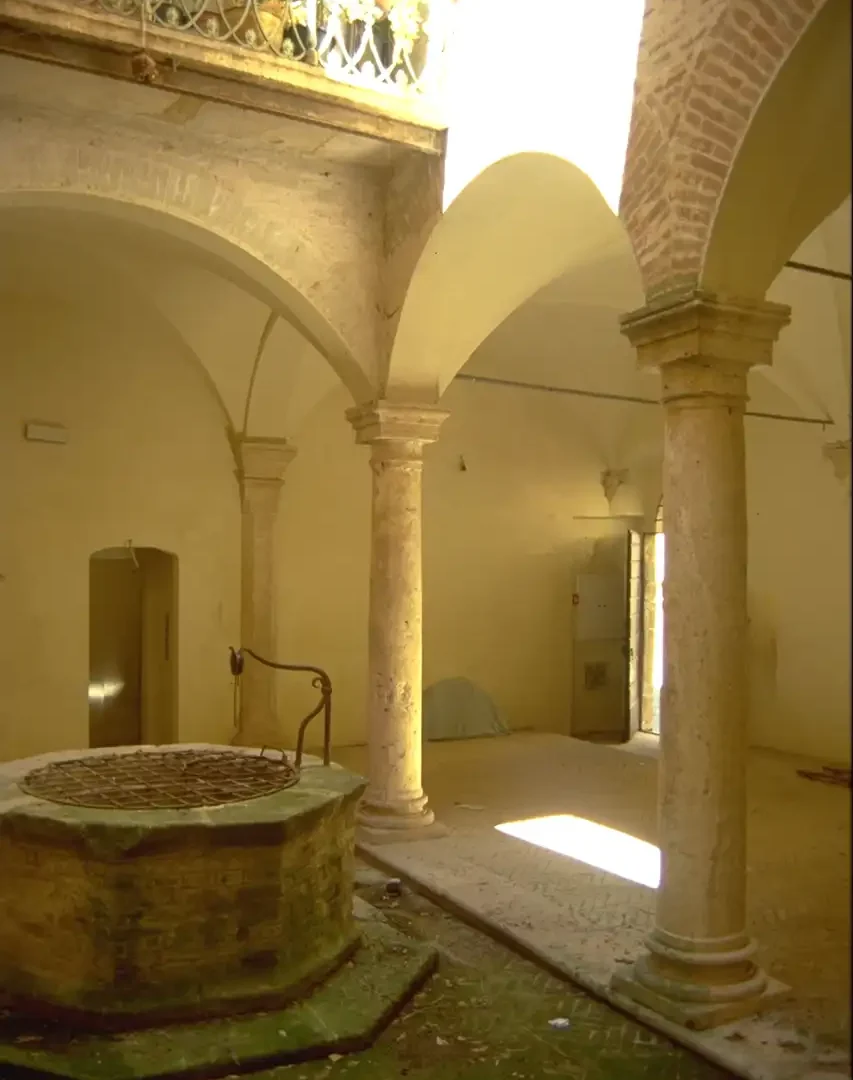
The pope’s humanistic project called for the cardinals in his entourage to reside in the city of Pienza. The plan was to demolish and rebuild the existing building, but the work was limited to a major renovation: the interior was remodelled into a residence that was modern for the time and the exterior was given a Renaissance-style façade, simple yet elegant and punctuated by string courses and Guelph cross windows. Above the central portal, there is a lunette, a recurring motif in Pienza’s buildings commissioned by Pius II.

After the death of Pius II, the palace was donated to the diocese by Cardinal Borgia, becoming the bishopric. In 1998, the building was chosen as the new home of the Diocesan Museum of Pienza, which had been located in Palazzo dei Canonici since 1901. The building integrates two Renaissance residences: that of Cardinal Rodrigo Borgia and that of Cardinal Jean Jouffroy of Arras. Its location in Corso Rossellino places it along one of the town’s major routes, overlooking both the monumental square and its main road axis.

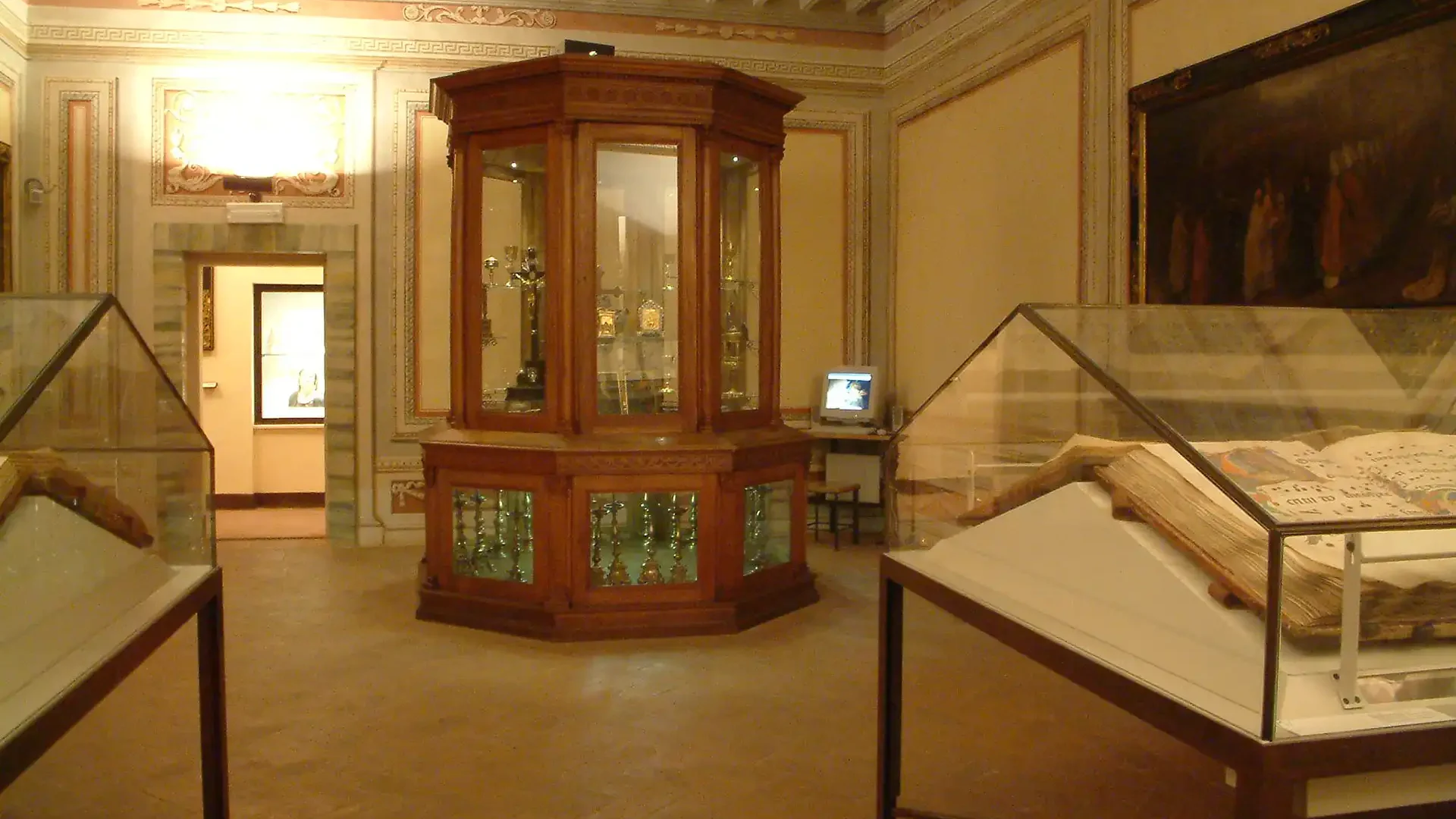
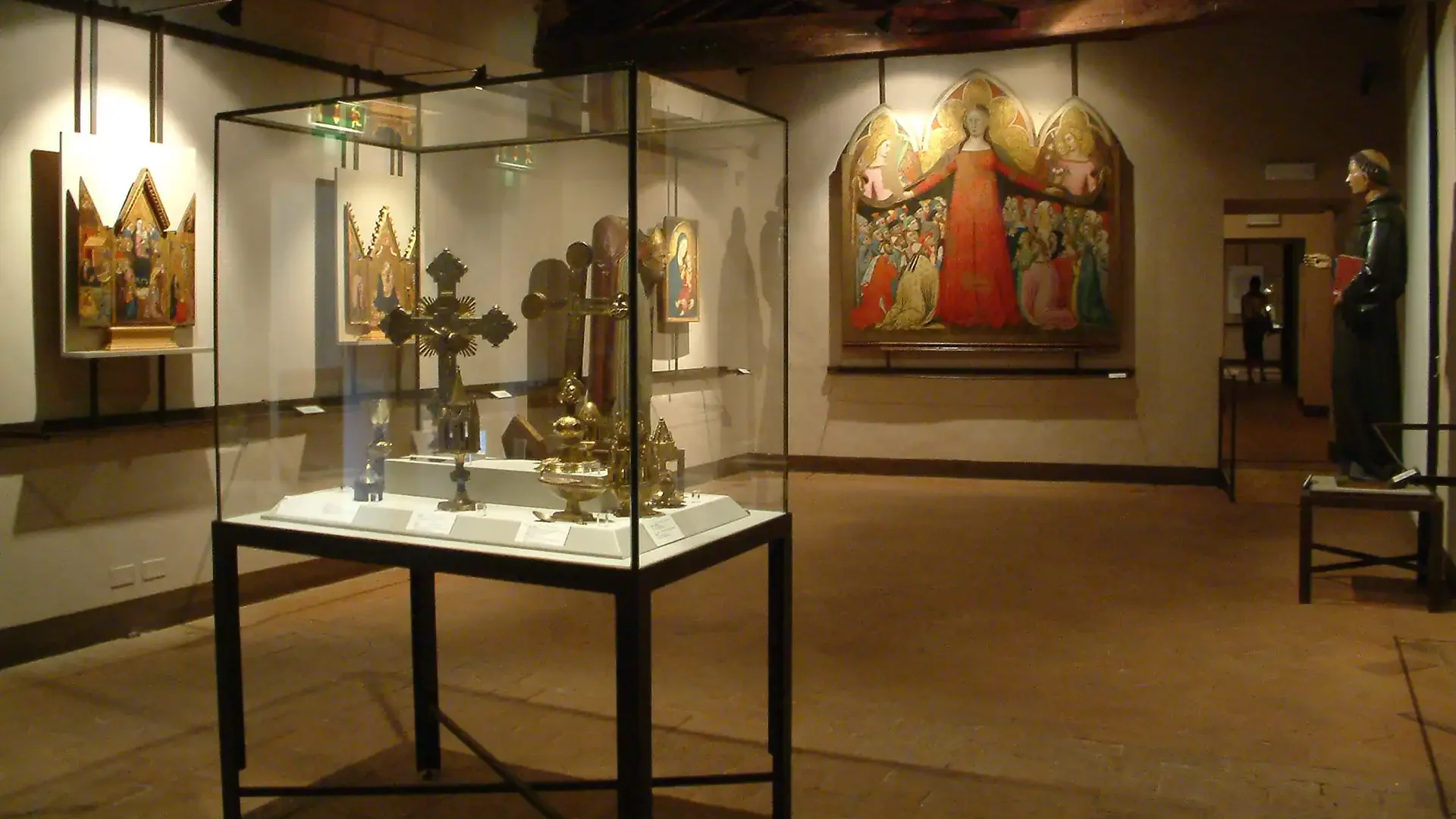
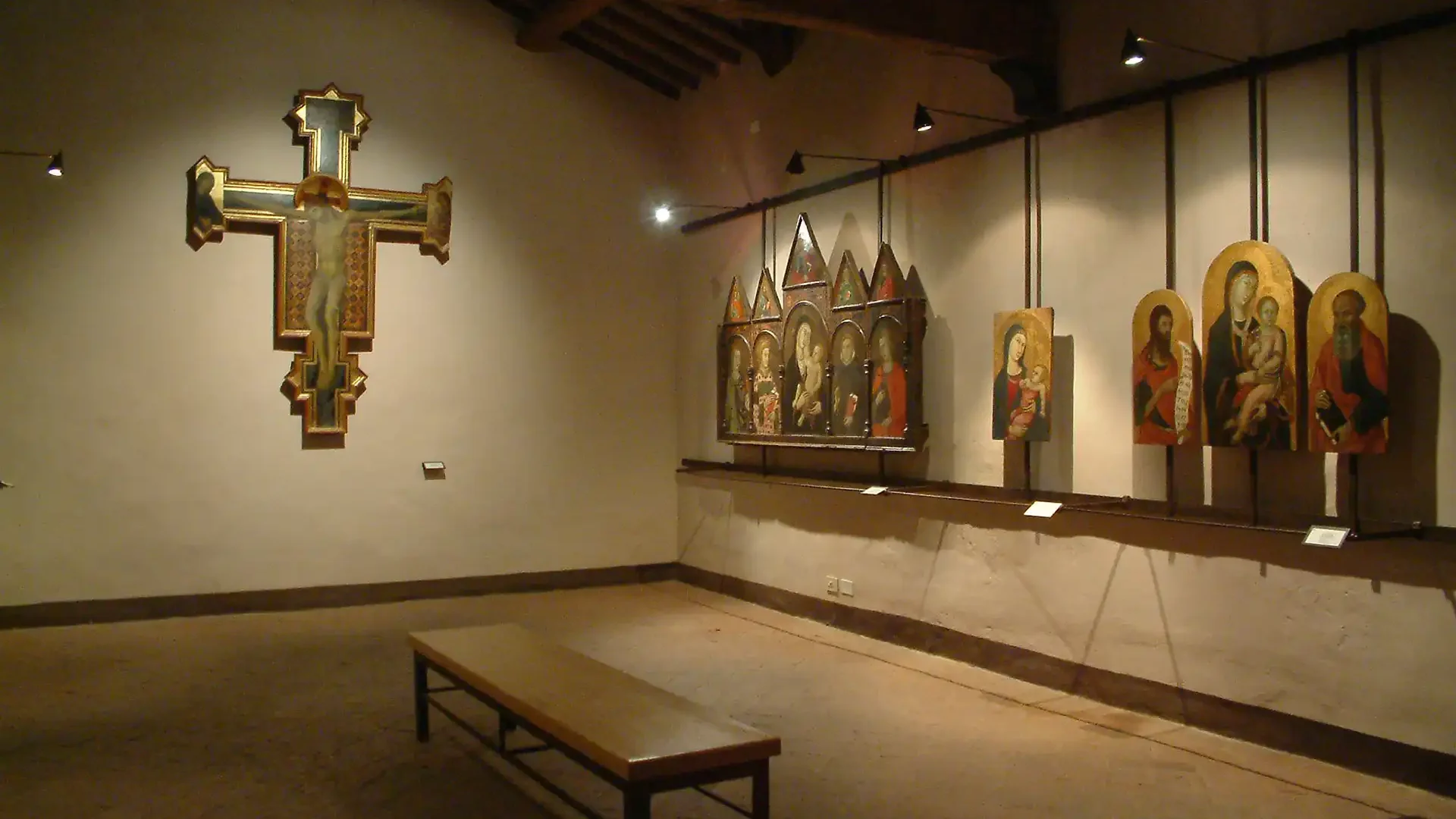
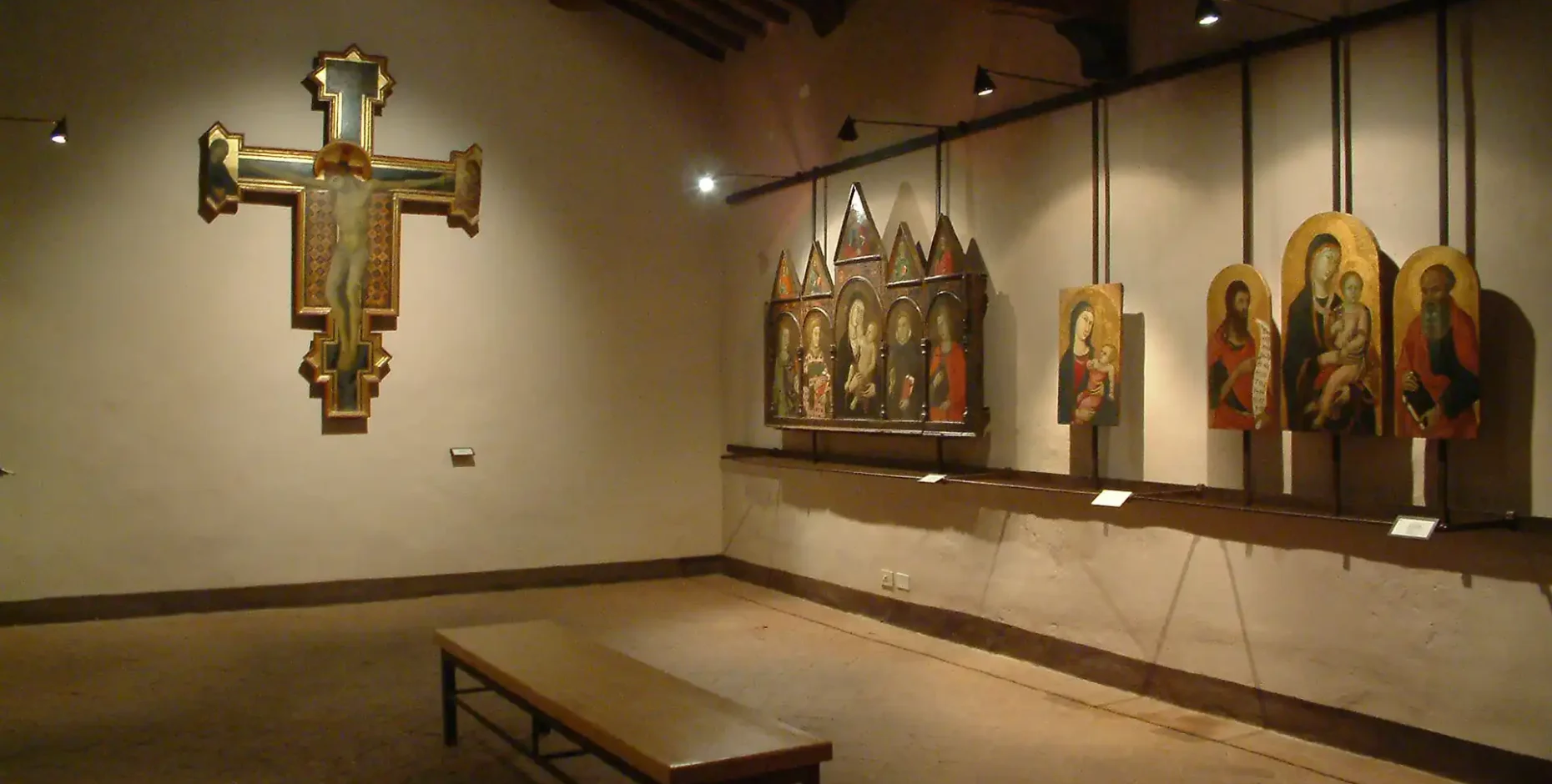
The museum contains a rich collection of sacred works of art, including paintings, altarpieces, wooden sculptures, tapestries and goldsmith’s objects, which come from the Cathedral of Pienza and the territory of the ancient diocese.
Among the masterpieces in the collection, there are:

The Virgin Mary and Child by Pietro Lorenzetti (circa 1315), one of the protagonists of 14th-century Sienese painting, after Duccio di Buoninsegna, along with Simone Martini and his brother Ambrogio. The work comes from the Parish Church of Santi Leonardo e Cristoforo in Monticchiello and is a refined example of 14th-century Sienese painting. The Municipality of Pienza recently acquired a new painting attributed to Pietro, a key element in the painter’s work and part of the Polyptych of which the Virgin Mary and Child were a part; it is a half-length image of Saint Luke the Evangelist. The polyptych was intended for the main altar in the church of Monticchiello and had been dismantled and lost over the centuries. The Virgin Mary and Child that was in the centre is kept in the Diocesan Museum of Pienza, while the four saints on the sides are recognised to be the St Agatha in the Musée de Tessé in Le Mans and the Saints Leonard, Catherine of Alexandria and Lucia (or Margaret?) in the Horne Museum in Florence. Of the pinnacles that crowned these figures, a Saint Mark is also known and is kept in the Berenson Collection in Villa I Tatti, near Florence.

The Virgin Mary of Mercy by Bartolo di Fredi (1364), a large panel from the ancient Parish Church of Santa Maria in Pienza, and the Virgin Mary Enthroned with Saints by Lorenzo di Pietro, known as Vecchietta, dated around 1460, from Spedaletto. The work confirms the openness of Sienese painting to Florentine models in terms of luminosity and perspective. The collection at the Diocesan Museum in Palazzo Borgia is enriched by the precious Cope of Pius II, an English-made liturgical vestment (opus anglicanum) composed of twenty-seven panels depicting stories of the Virgin Mary and saints, donated to the Cathedral by Pius II. The cope is considered one of the most significant objects in the entire museum, along with the Reliquary Bust of Saint Andrew, made by Simone di Giovanni Ghini between 1462 and 1463, venerated by worshippers on 30 November, the celebration of the patron saint, and the Virgin Mary of Mercy and Saints Sebastian and Bernardino, by the young Luca Signorelli, created in the early 1480s for the Church of San Francesco in Pienza and displayed in the room where the late 15th/early 16th-century works are kept.

Other sections of the museum are dedicated to liturgical furnishings (chalices, ciboria, monstrances and reliquaries) dating back to the 13th to 17th centuries, illuminated codices from the first half of the 15th century and Flemish and Burgundian tapestries from the late 15th-century depicting scenes from the Gospel.

Search

This site is registered on wpml.org as a development site. Switch to a production site key to remove this banner.