TEPOTRATOS: TEatro POpolare TRAdizionale TOScano (Traditional Tuscan Popular Theatre): the hidden meaning behind a seemingly unknown word is revealed.
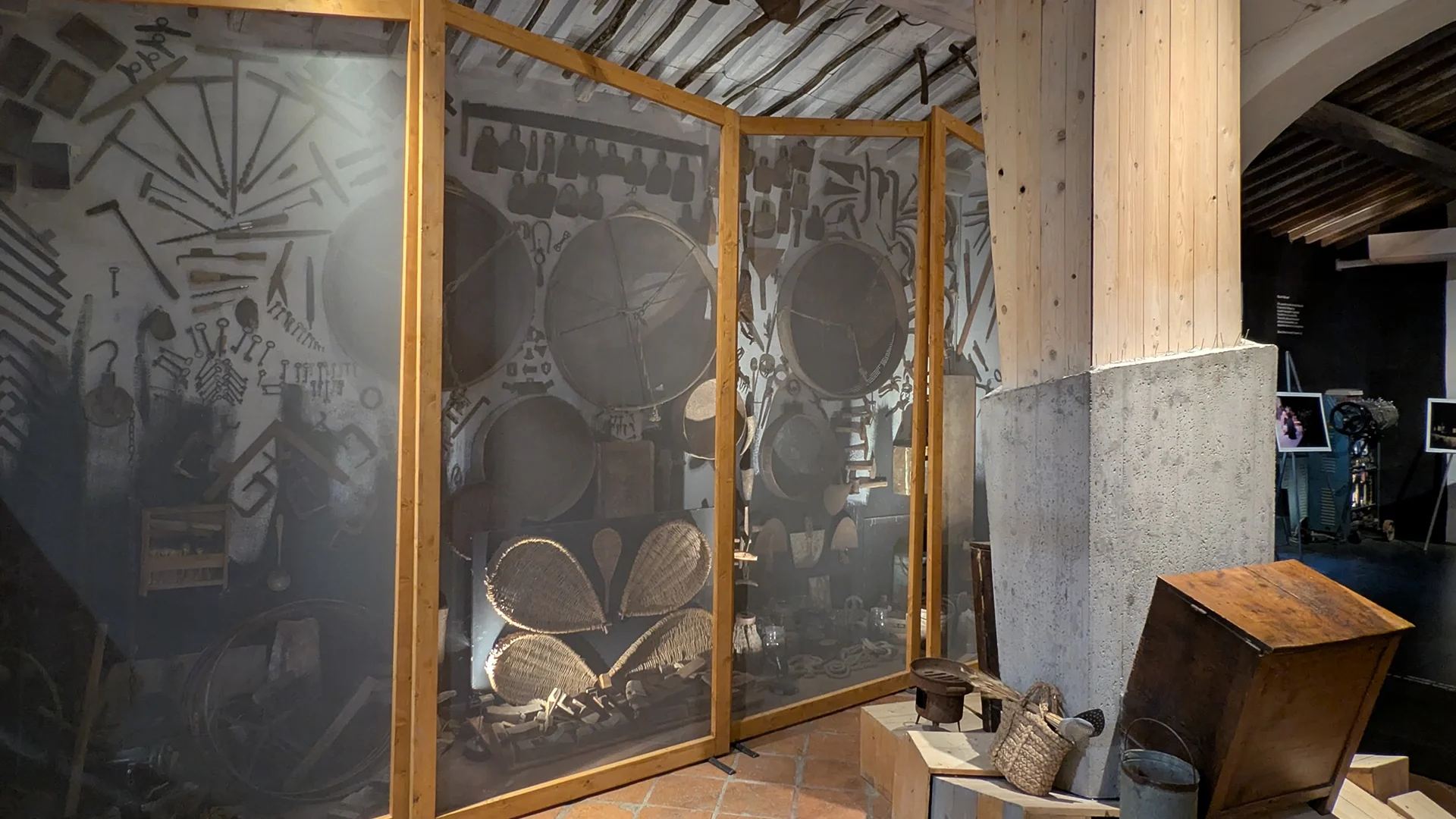
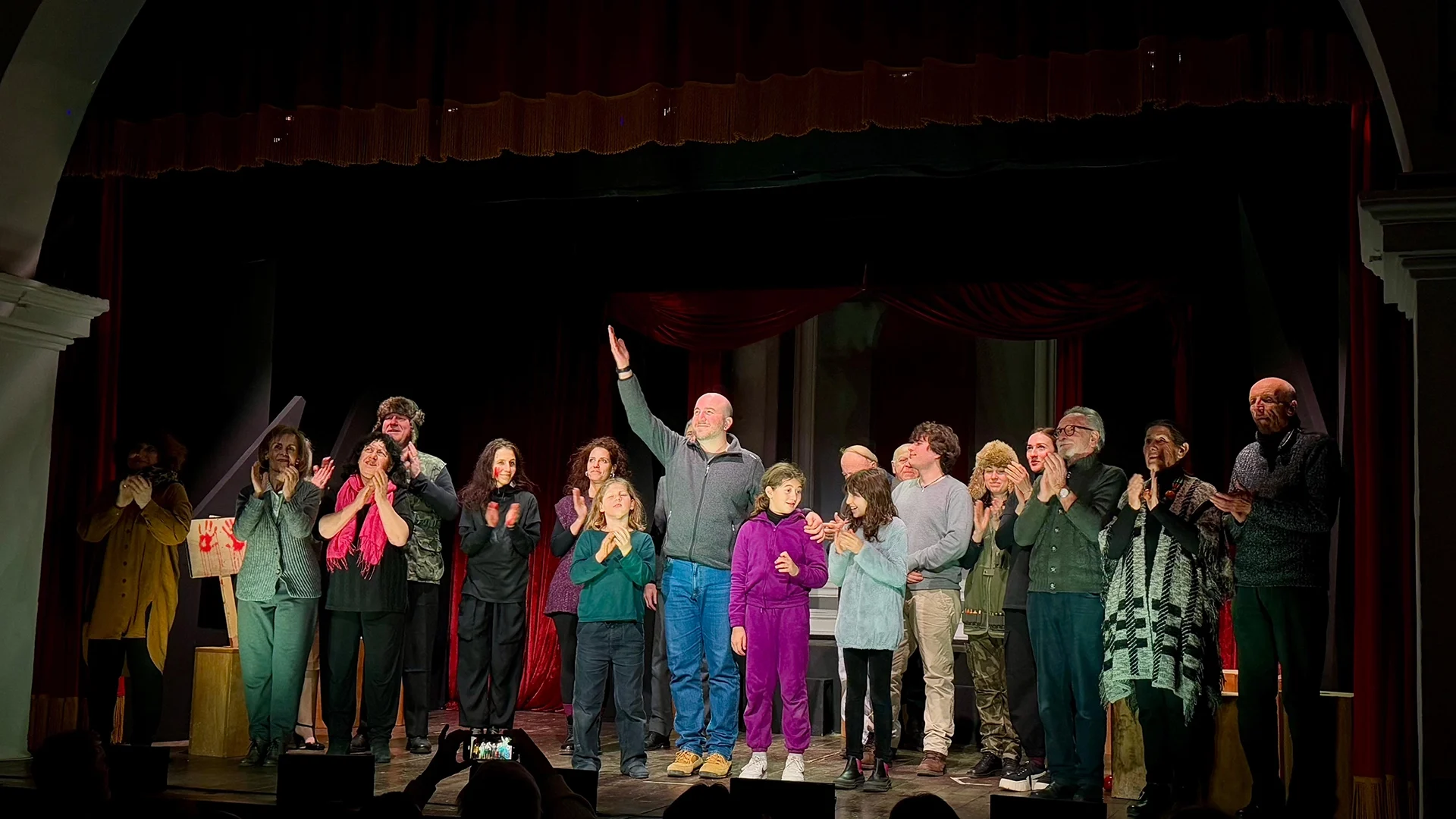
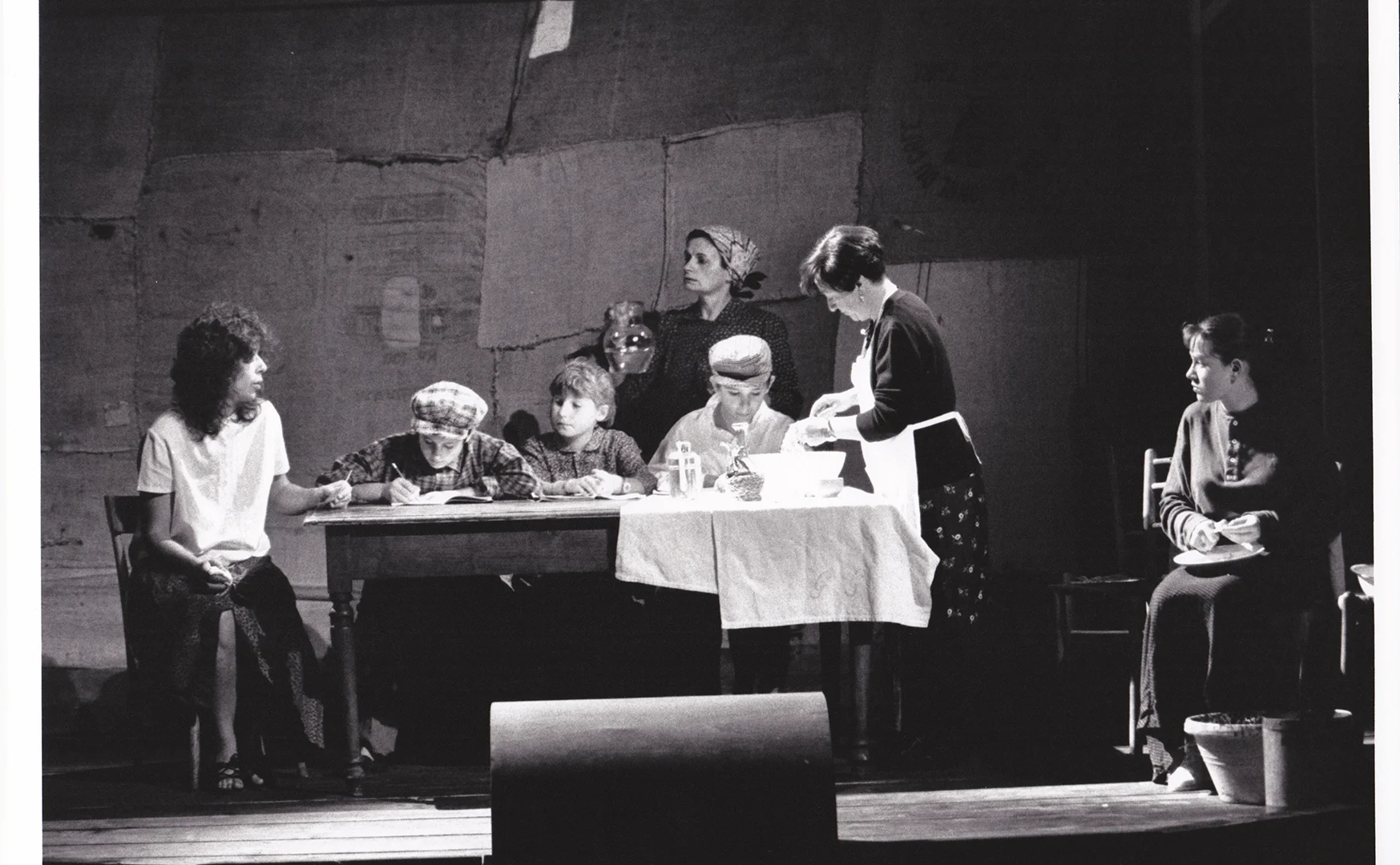
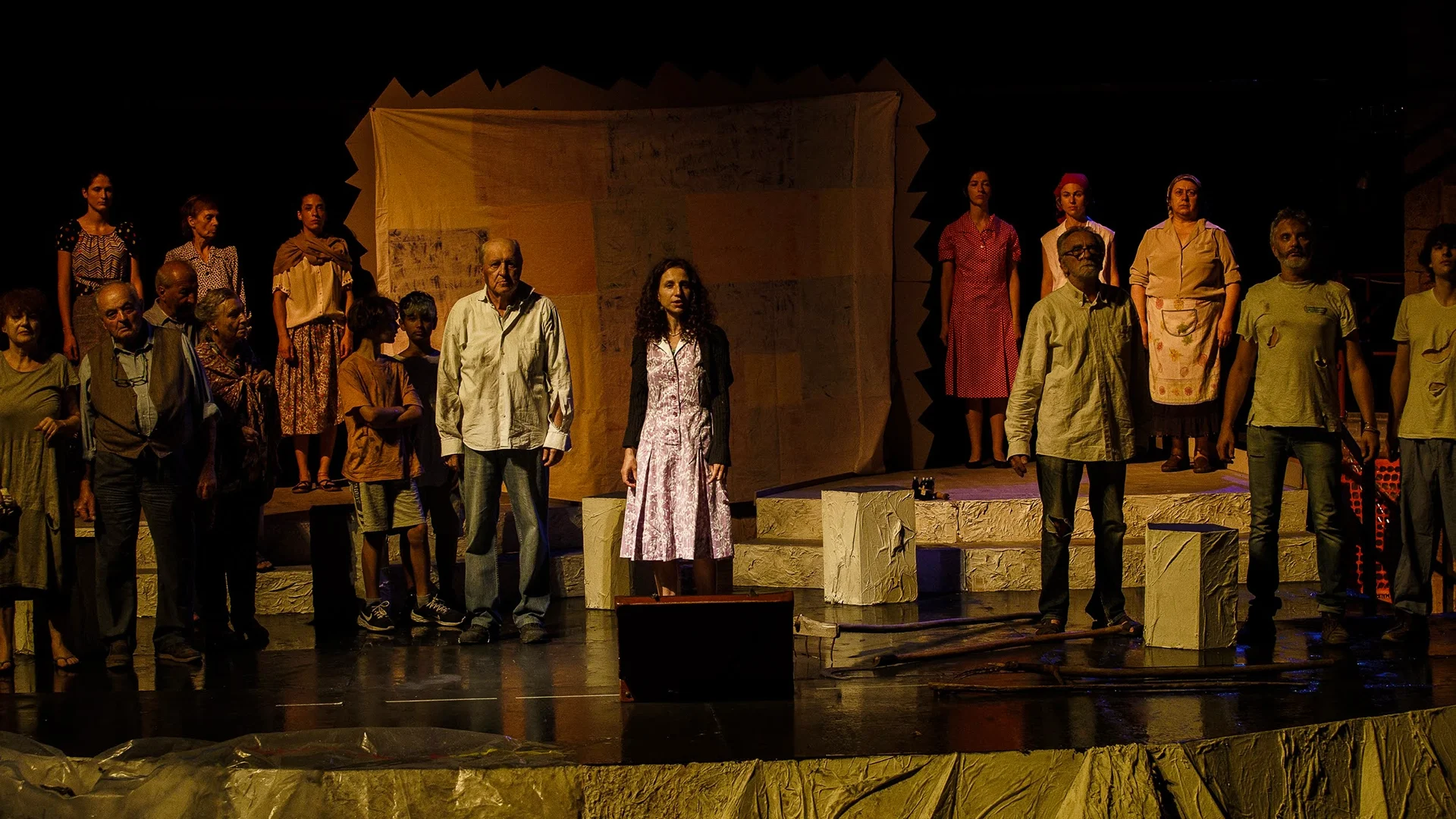
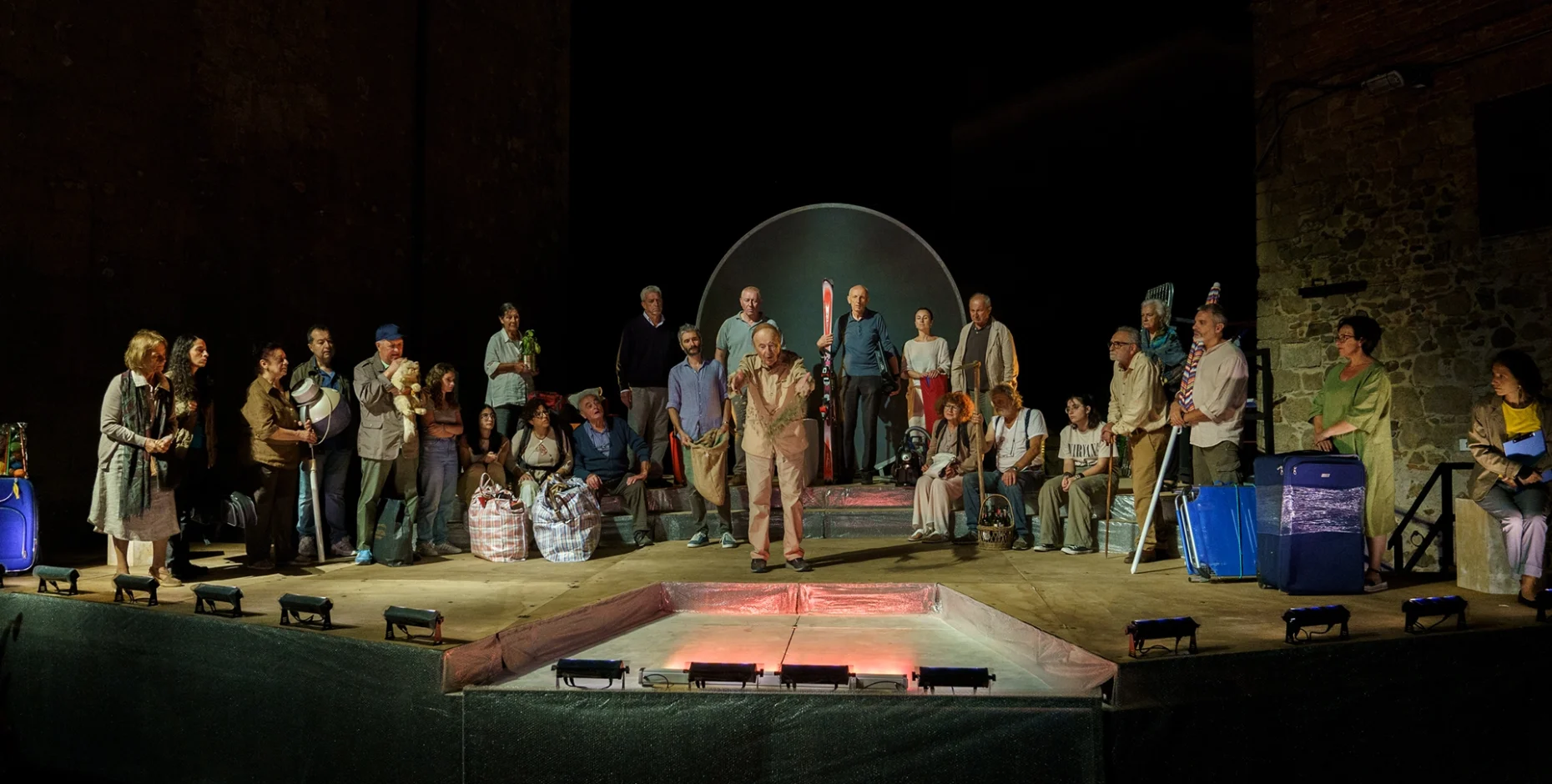
It is the Museum ofTeatro Povero (Poor Theatre), the Autodrama conceived, written and performed by the people of Monticchiello, a tribute to the rural and sharecropping civilisation that has been going through a profound period of crisis since the 1960s, struggling with rapid economic and social change. Theatre becomes the reconstruction of a person’s own identity and a tribute to their traditions, which clash with modernity but that always strive to coexist and never forget their origins. It is in this unique context, where the “recovery of rural cultural and social identity” is crucial, that the TEPOTRATOS Museum of Monticchiello emerged. It is no coincidence that its headquarters are located inside a former granary dating back to the mid-eighteenth century. The granary, a point of reference for an entire community, was the place where grain was stored, weighed and shared with the landowner.
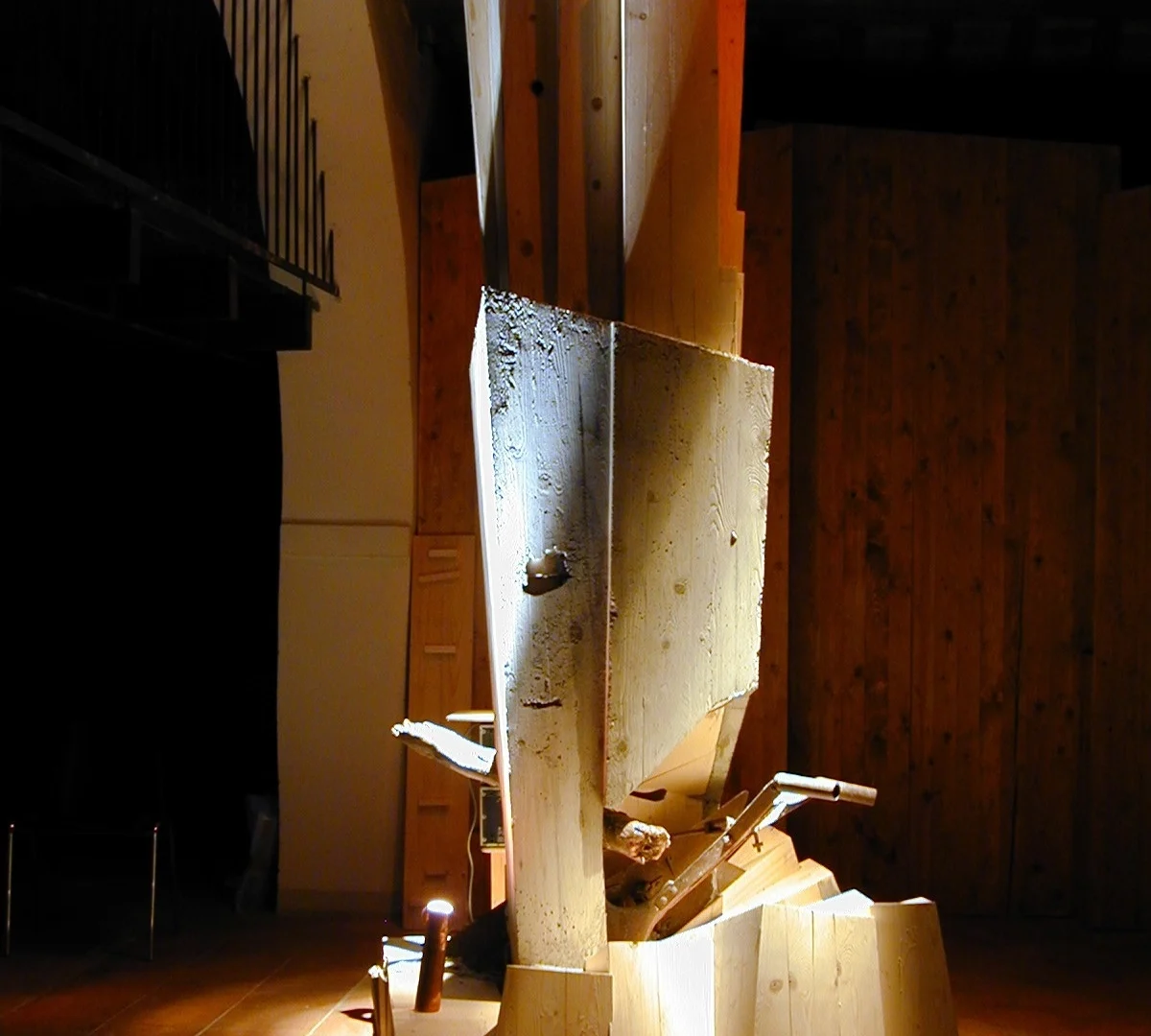
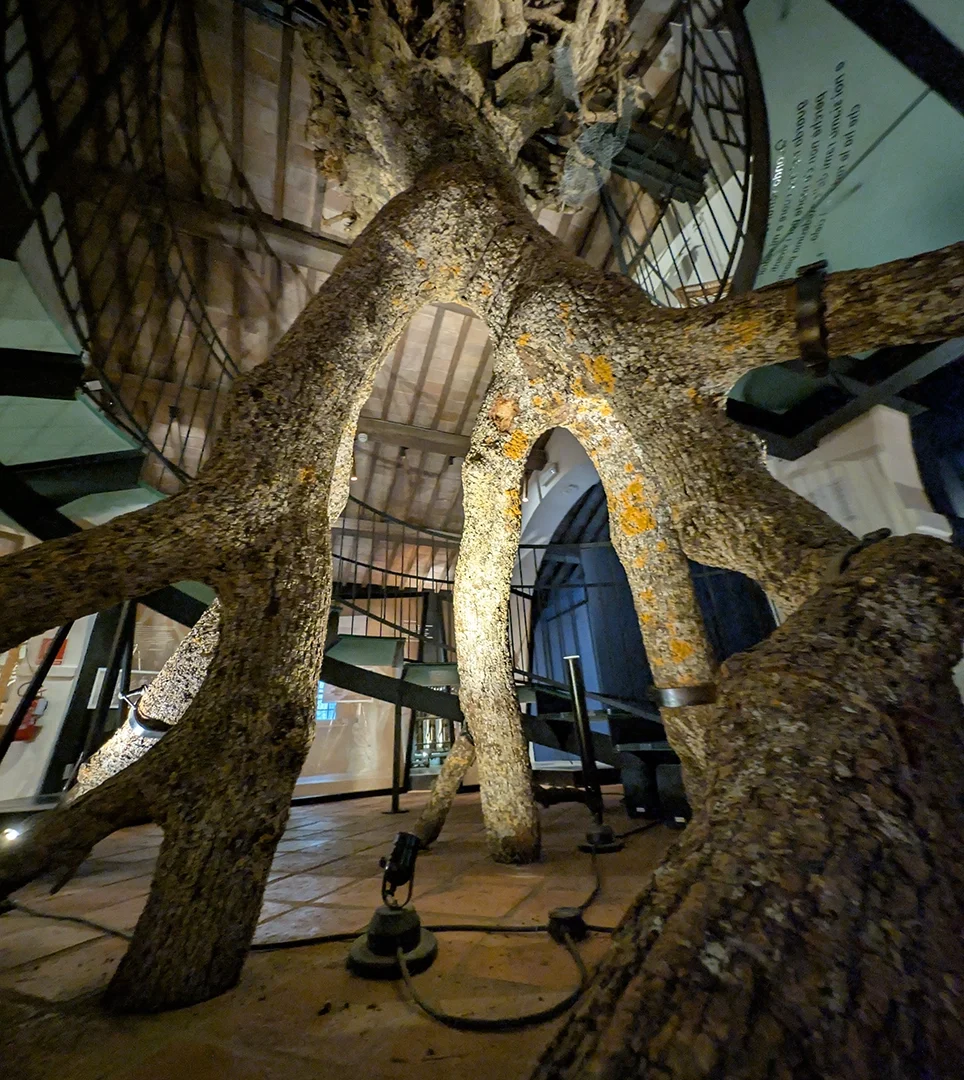
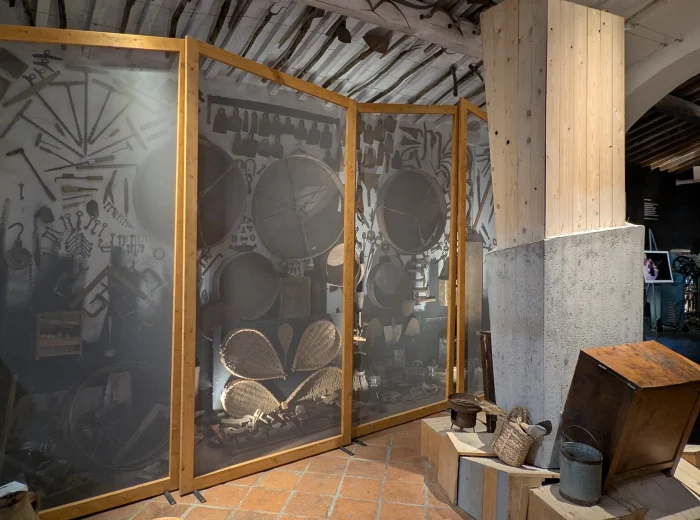
At the museum, which tells the story of the rural civilisation, the protagonist in the autodrama, you will hear stories and sounds and see images of the ancient rural world, distant images that come to life thanks to the will of the inhabitants of this small village. The museum’s structure is very unique and reflects the belief that bonds of coexistence can exist between a bygone world and recent progress. In this way, interactive and multimedia elements blend with craftsmanship and the tools of rural work, projecting themselves into a world that has changed but that cannot forget its origins. Tradition and progress can coexist; in short, this is the meaning of the large oak tree placed in the centre of the museum, with its roots turned upwards towards the sky.
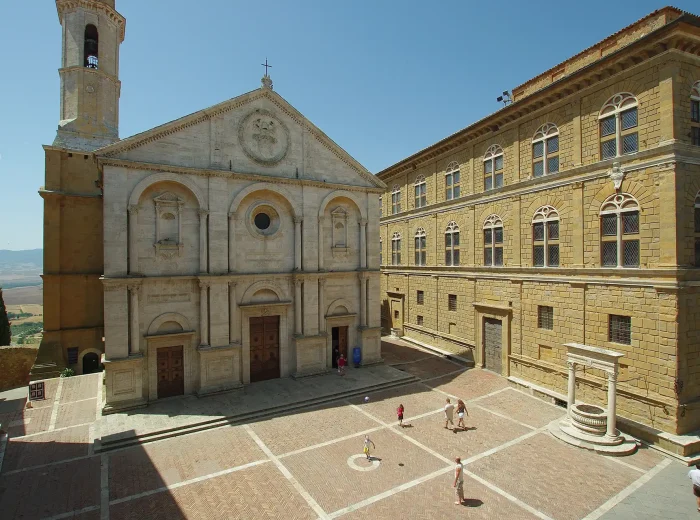
In addition to containing the Museum and the Il Bronzino Restaurant, the granary now has different functions and hosts numerous activities, like the theatre company’s administrative office, a newsagent’s, a photocopy shop, a tourist office and a shop selling food and wine products and a few local handicraft pieces.
The space is also used for temporary exhibitions, shows and concerts.