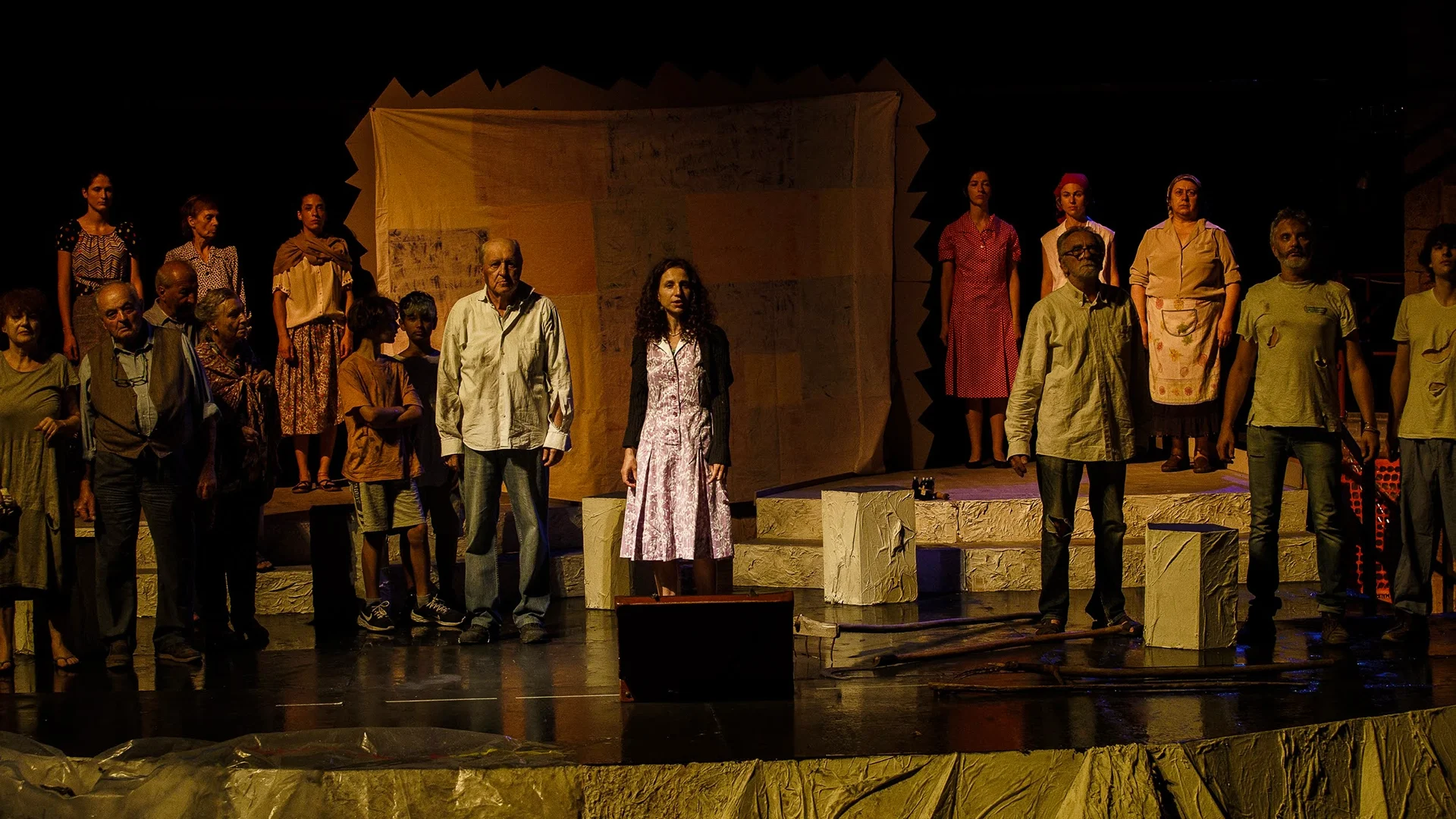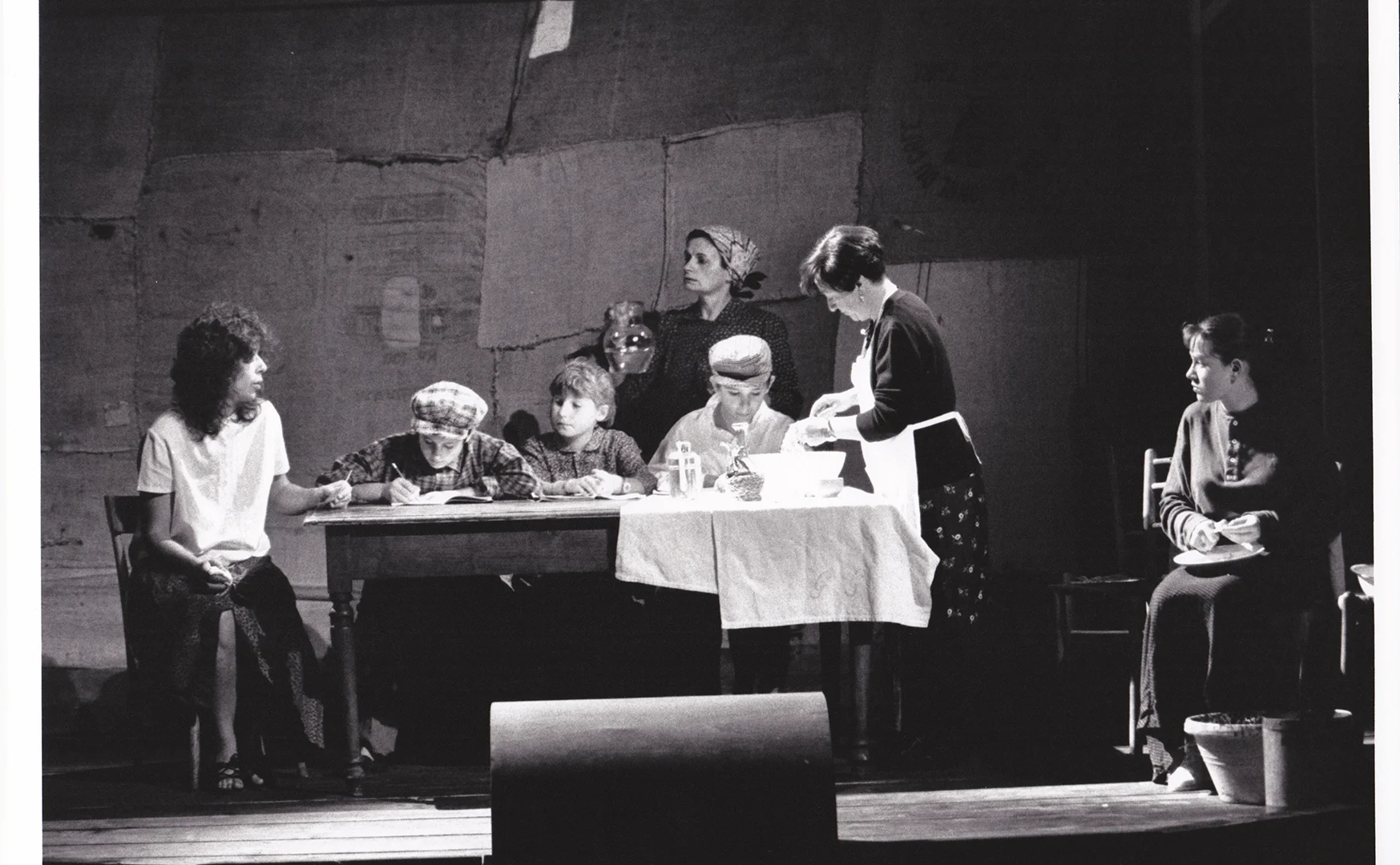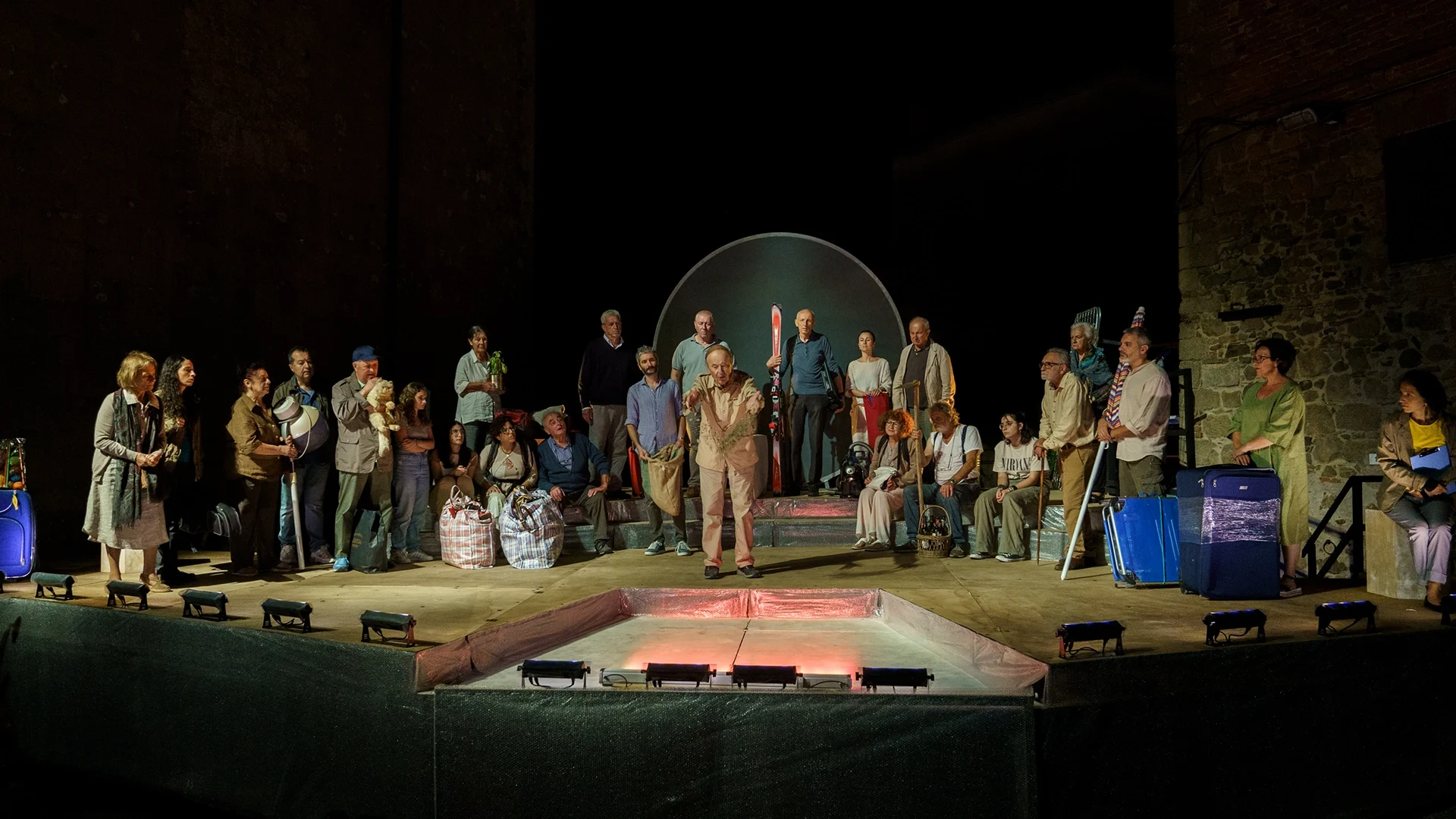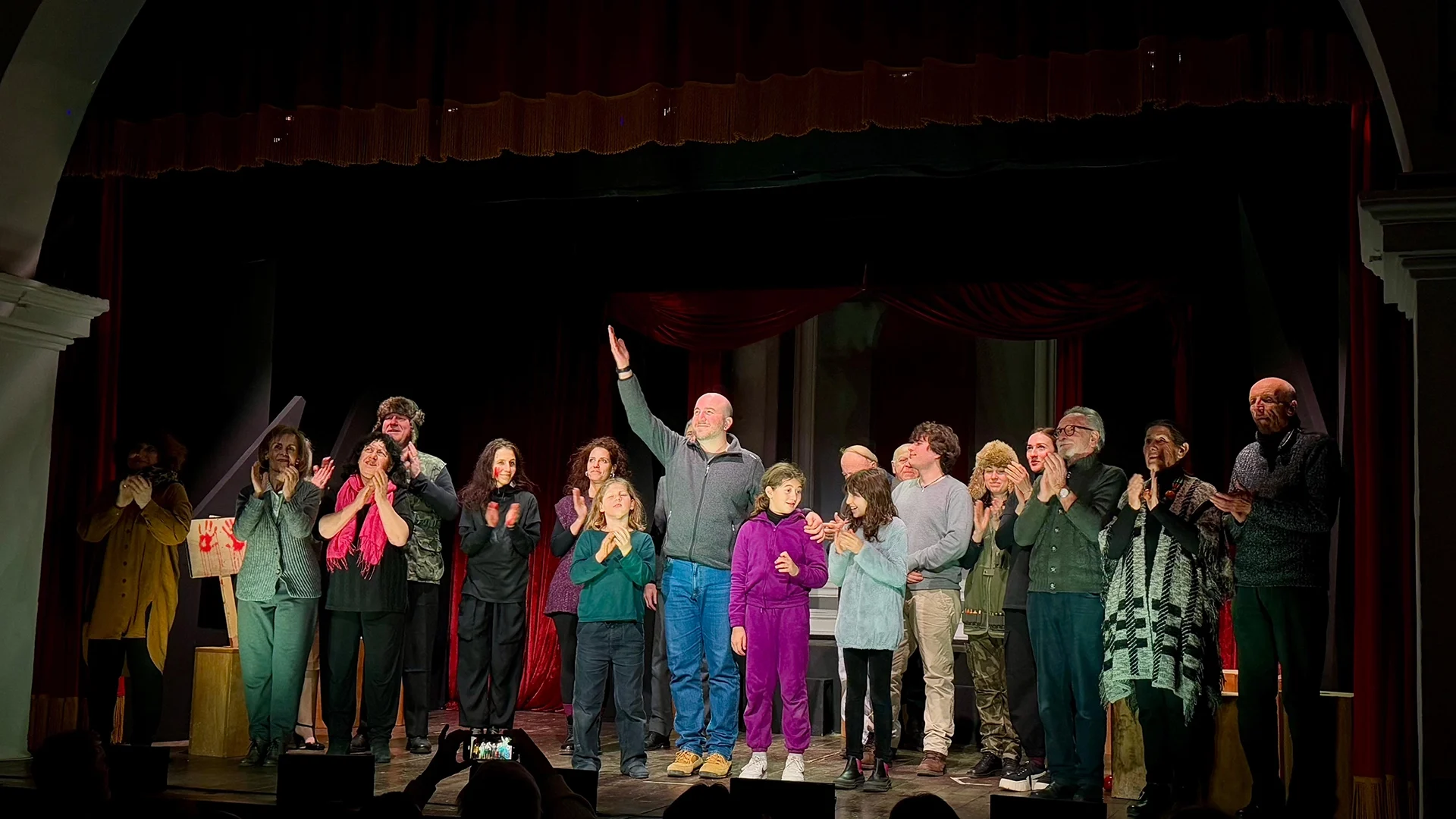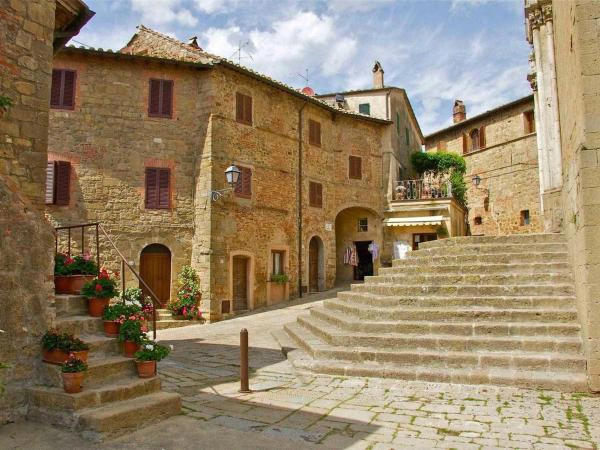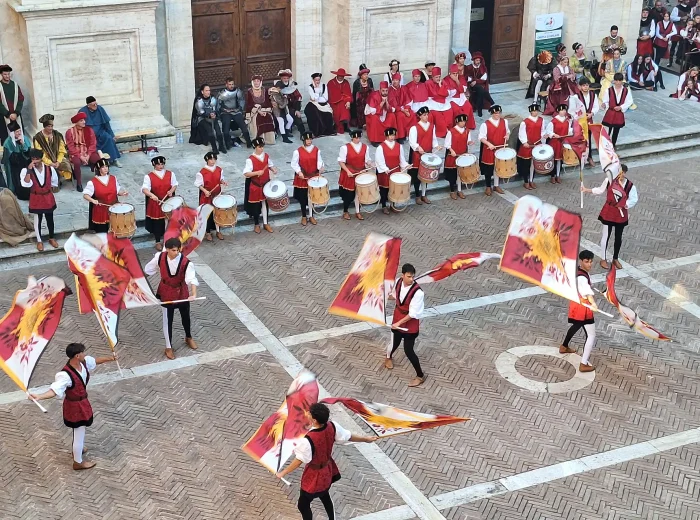
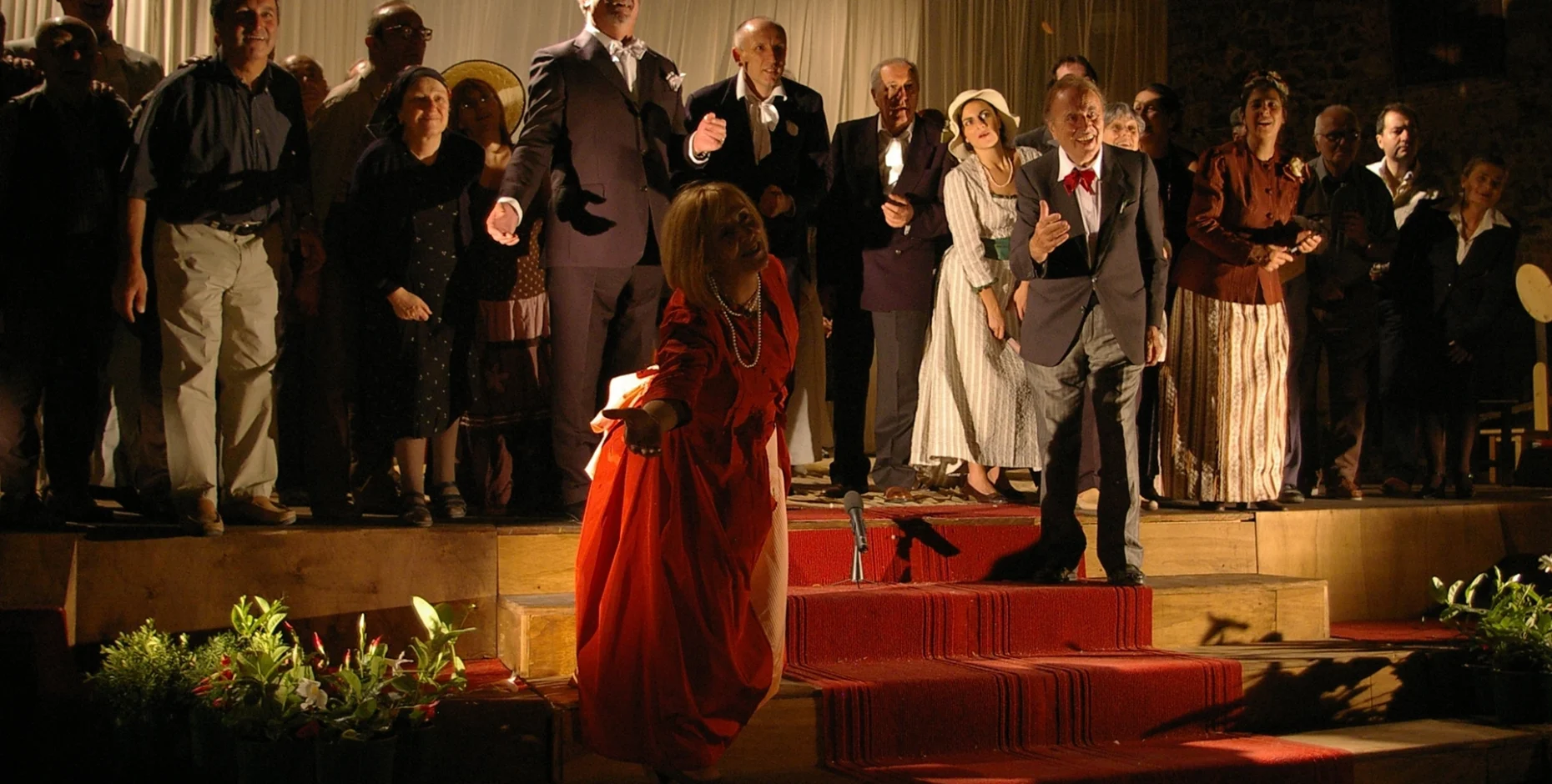
Monticchiello “is” Teatro Povero (Poor Theatre) and is probably unique on a worldwide level.
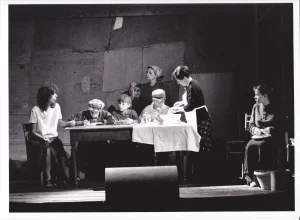
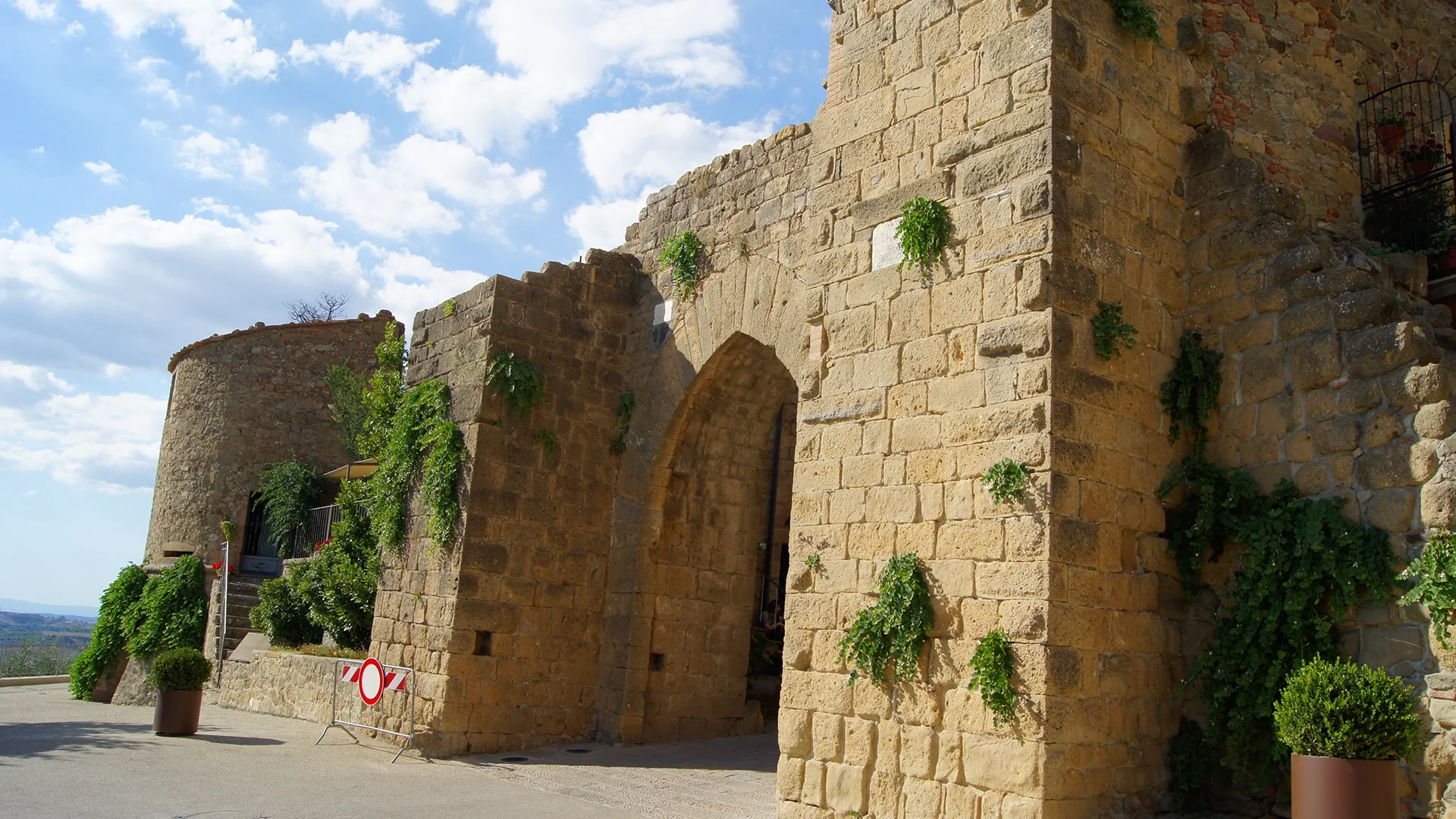
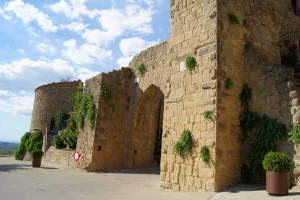
There are plenty of experiences of so-called “participatory” theatre scattered across the globe, but only in this little fortified village, which still preserves its walls and other 13th-century architectural elements, are stage performances one of the expressions of a “community cooperative” that developed around the theatre.
It’s no exaggeration to say that the place and its inhabitants almost identify with Teatro Povero.
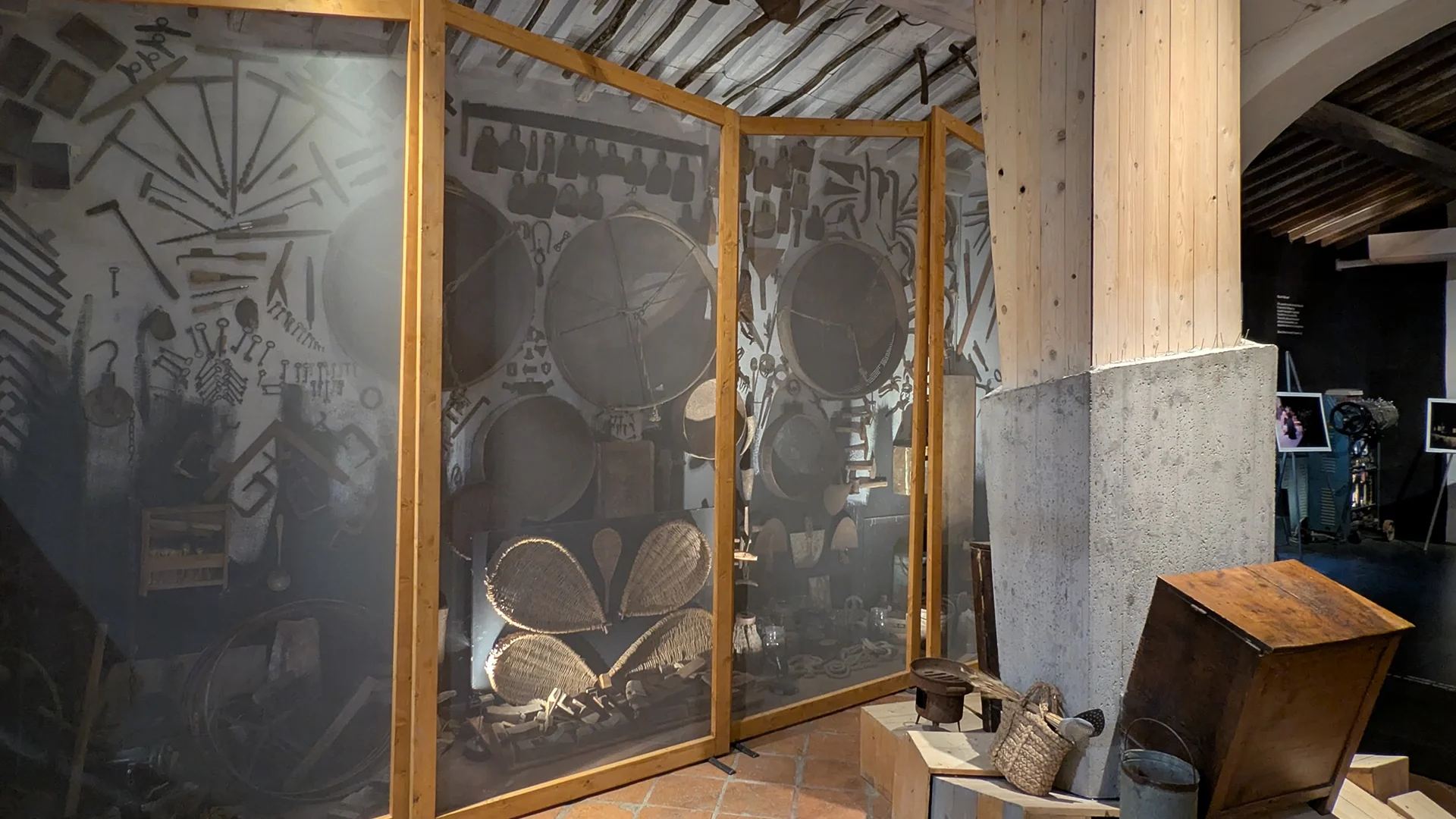
Today, the Compagnia Popolare manages “il Granaio”, a multi-purpose centre, where you can also pick up medicines, connect to the Internet and buy newspapers. It also coordinates and manages a guest house, a small reception and integration centre, a social workshop for bicycles and more.
It’s the same type of response that the population, now estimated at around 200, gave in the 1960s to the decline of sharecropping: the village was becoming depopulated and there was uncertainty about the future, while modernity was knocking on its door and dictating a reconsideration of its condition.
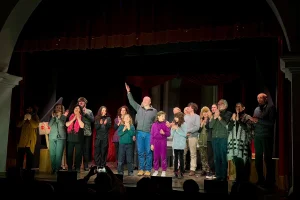
Autodrama emerged and is now on the threshold of its 60th edition: since then, the inhabitants have been playing themselves, setting up a stage within the medieval walls; it’s a way of resisting crises, as the Company explains, and “a project that we build together, day after day, starting with assemblies in the winter, through to the rehearsals and performances in the summer”.
Looking for the names of performers, authors and directors is superfluous: there are at least a hundred people, including technicians, props masters, costume designers, stage and lighting staff, as well as those in charge of the tavern, the guest house, bookings, the audience and the ticket office, and they are all ‘protagonists’.