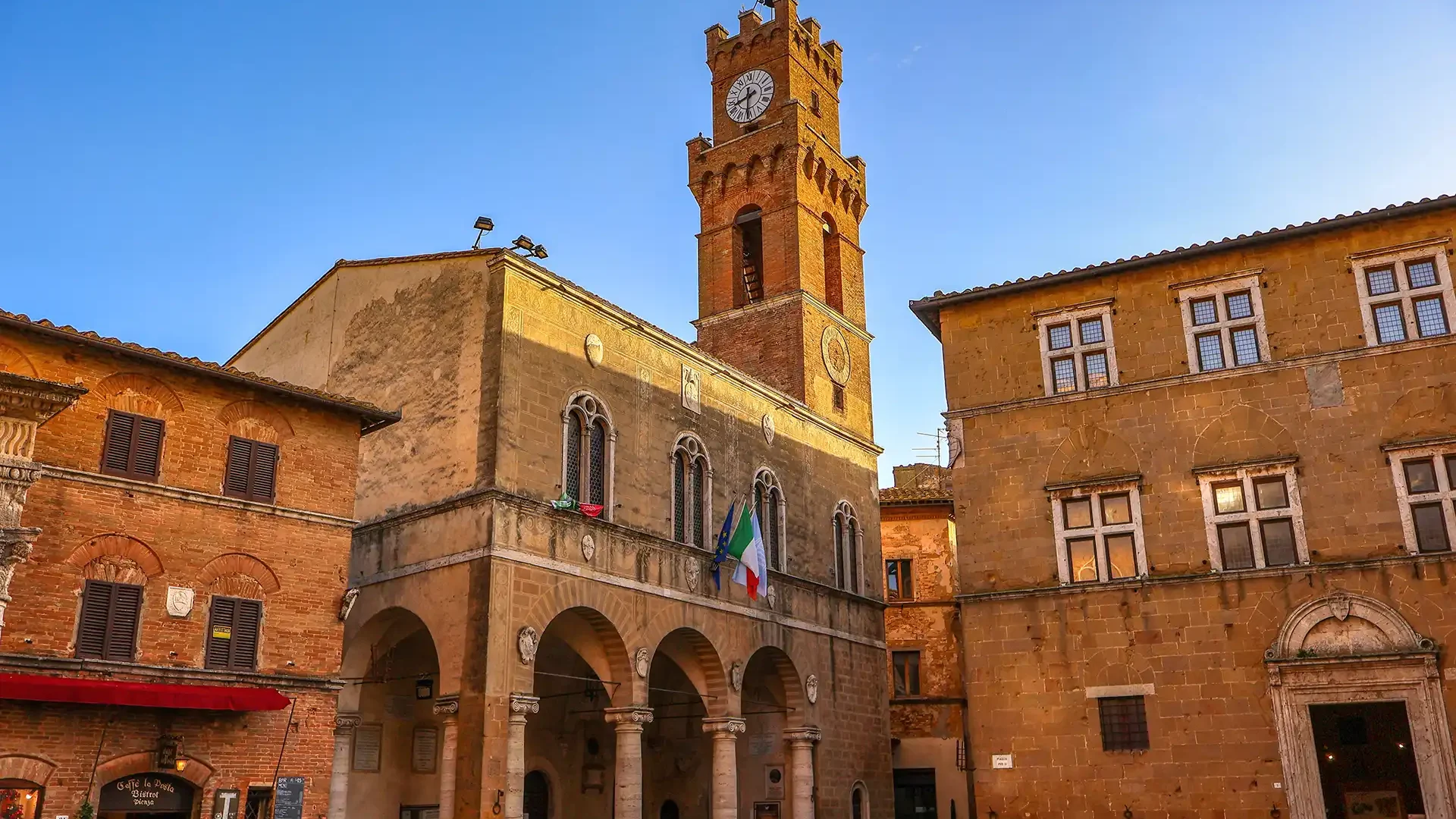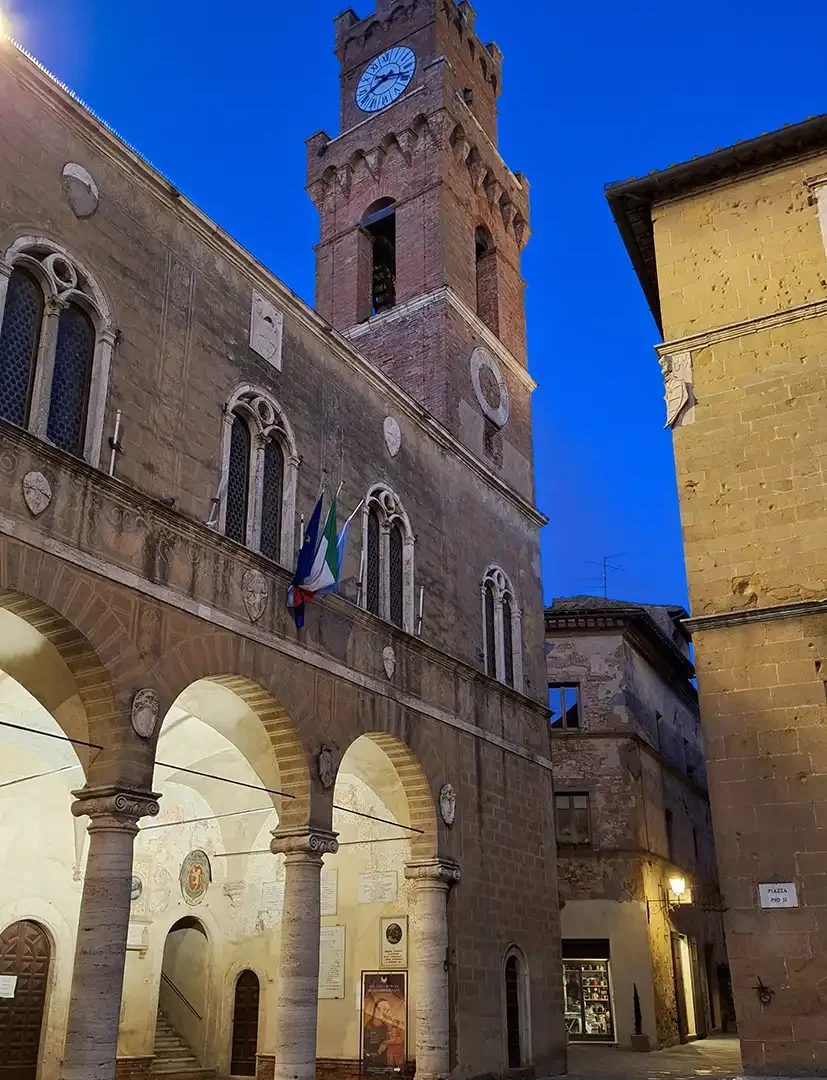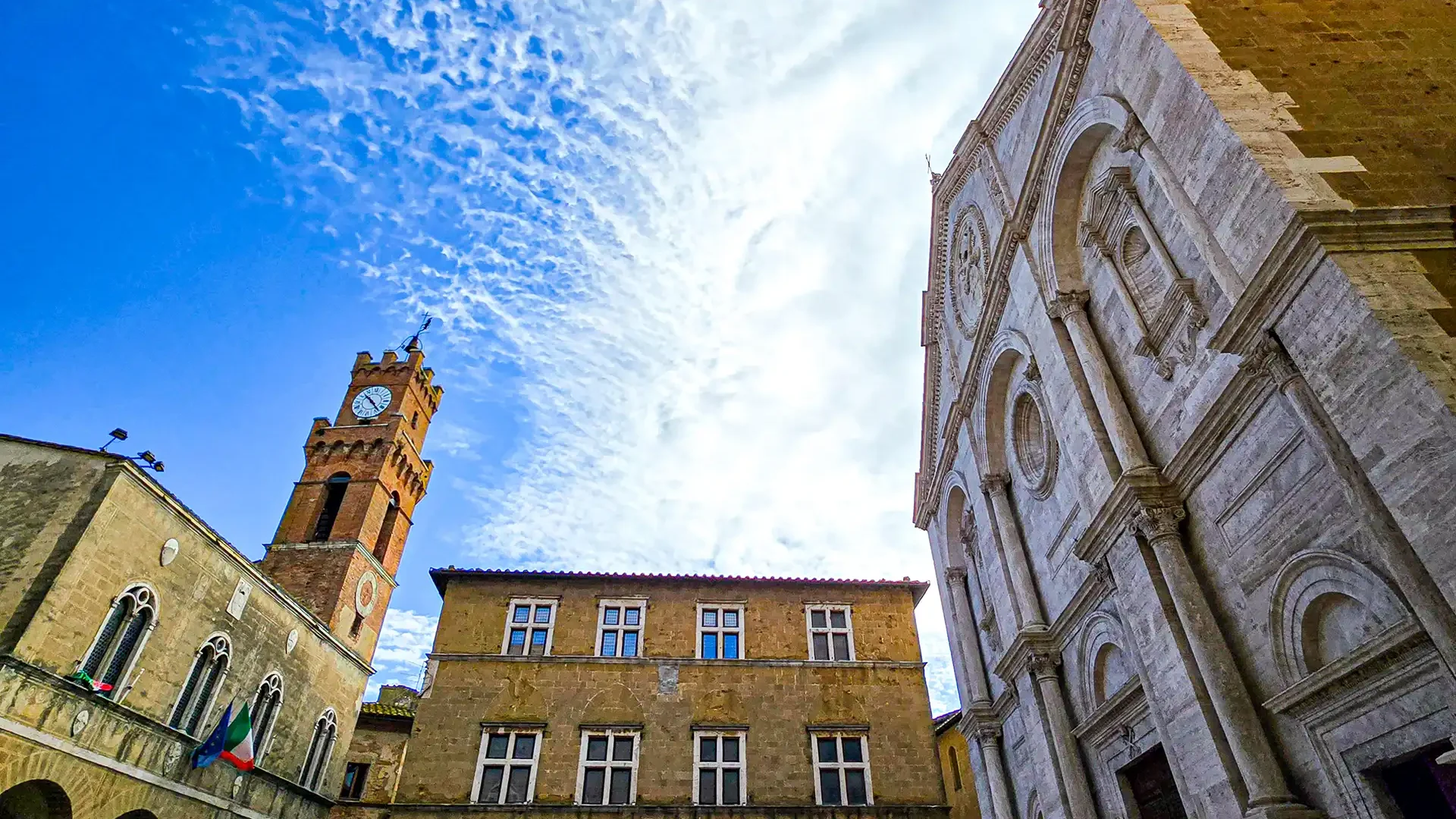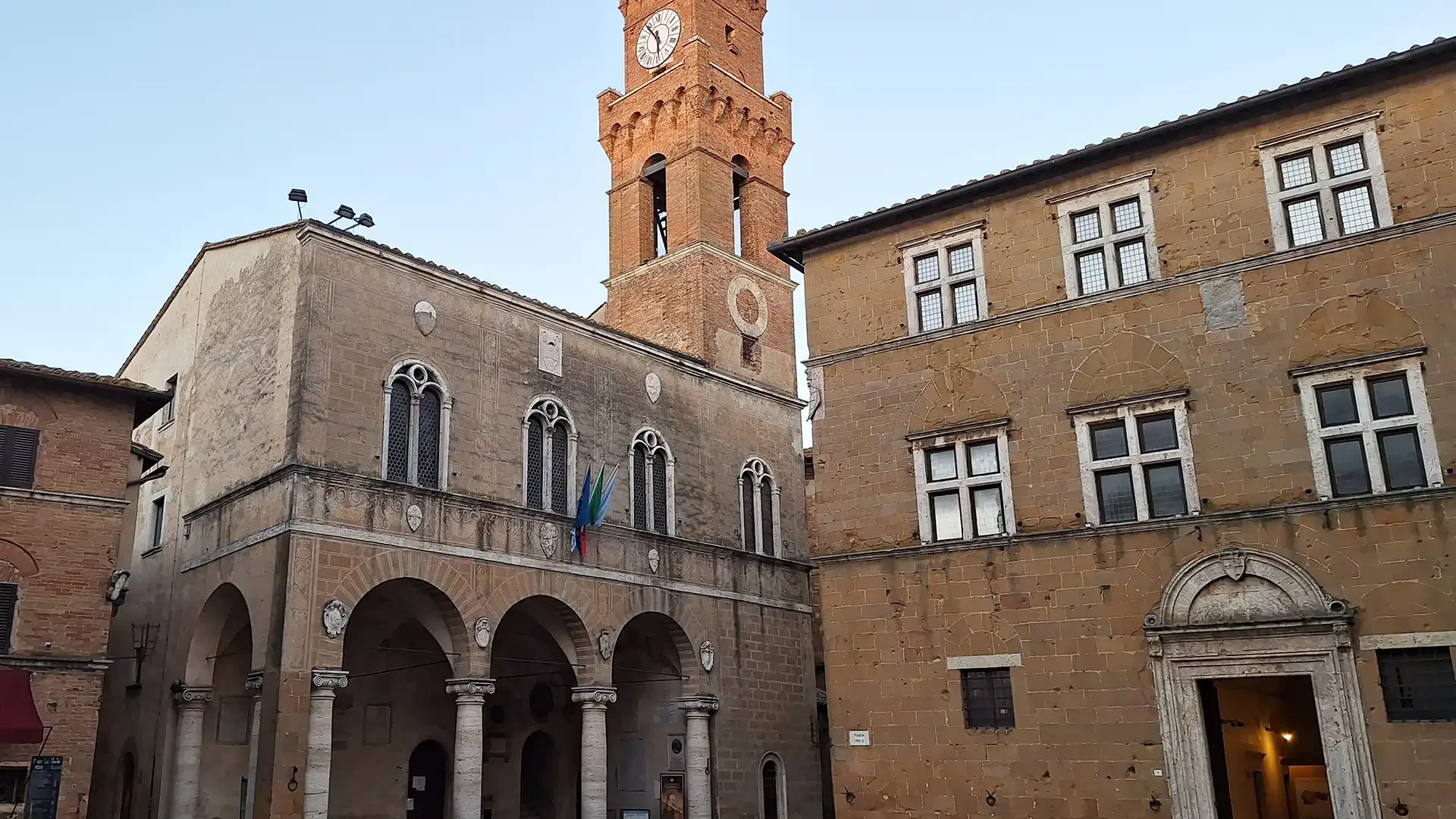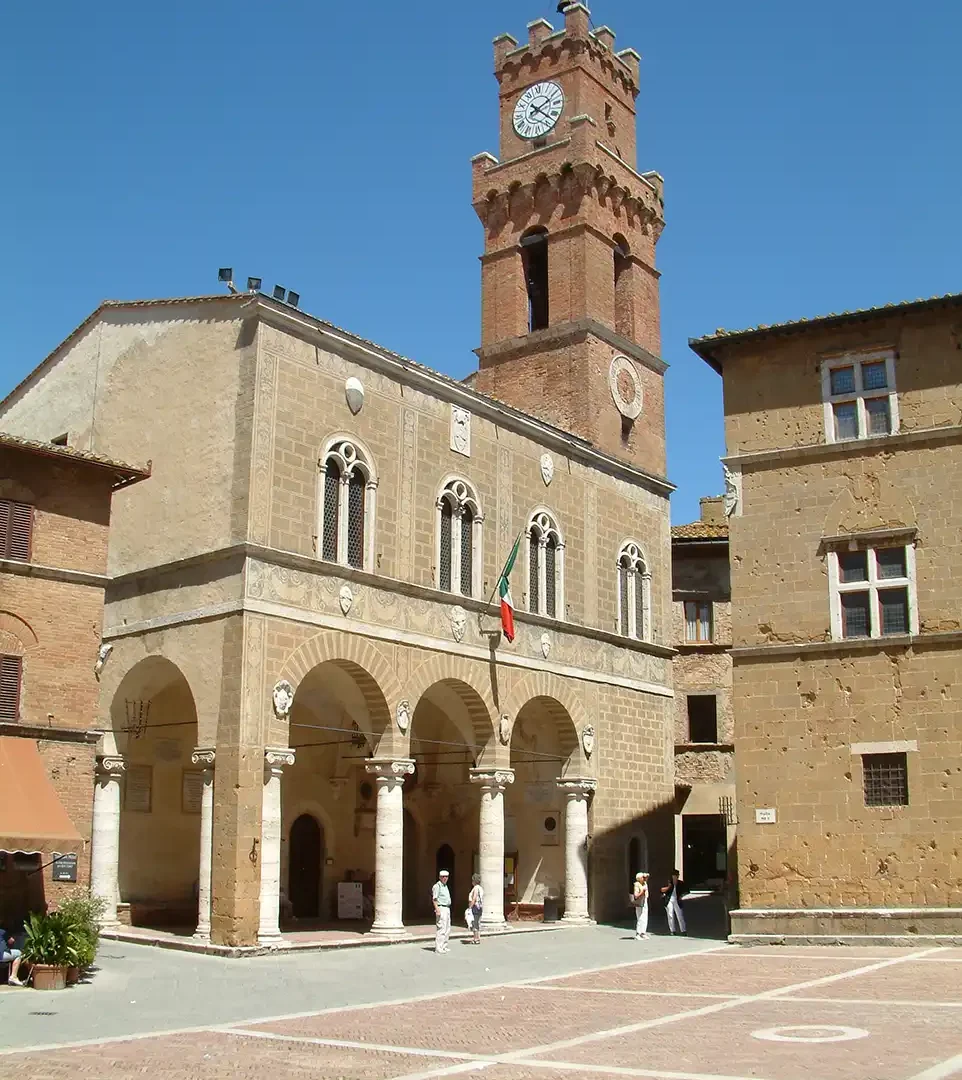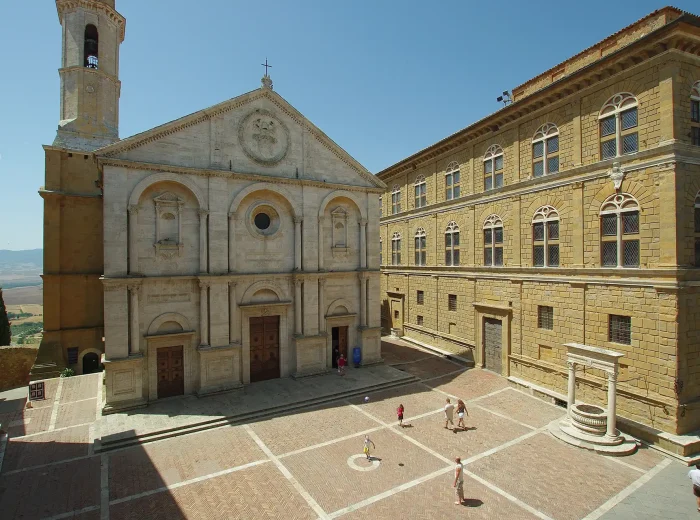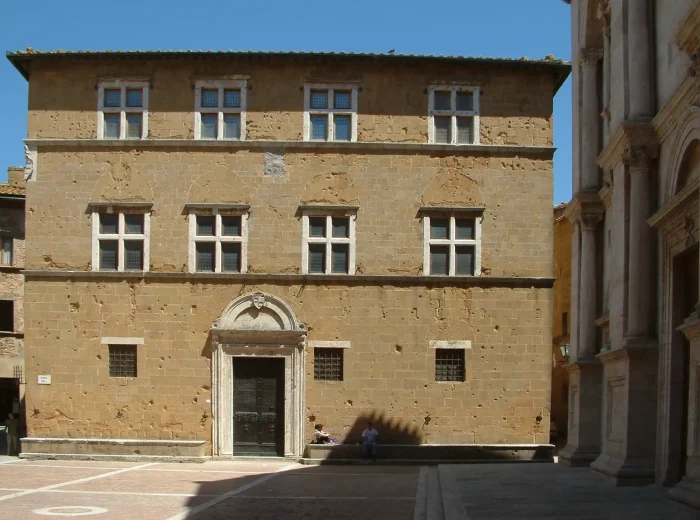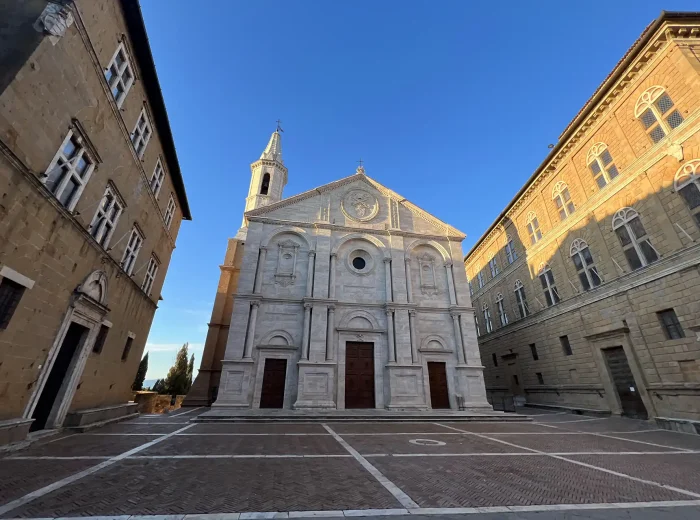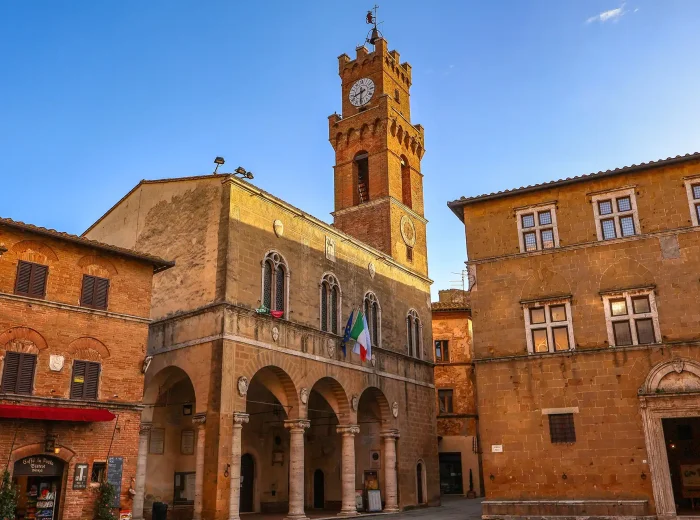
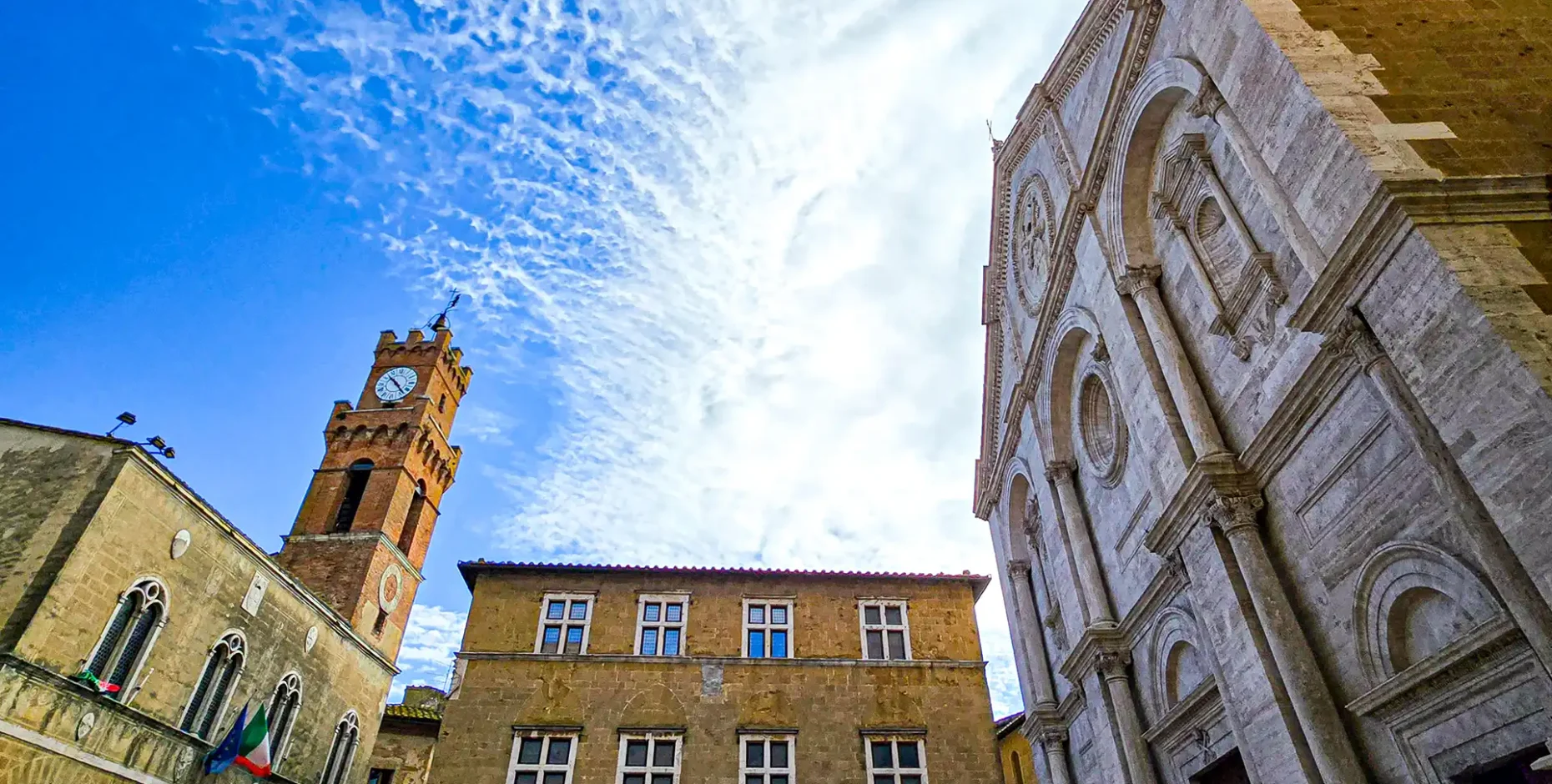
Visitors entering Piazza Pio II cannot help but be intrigued by the beautiful Palazzo Comunale (Town Hall), built based on a design by Rossellino and commissioned by the humanist Pope, Pius II.
Featuring an arched Loggia that opens onto Corso Rossellino, it is the architectural structure that was created to represent political power and was originally intended to be the residence of priors.
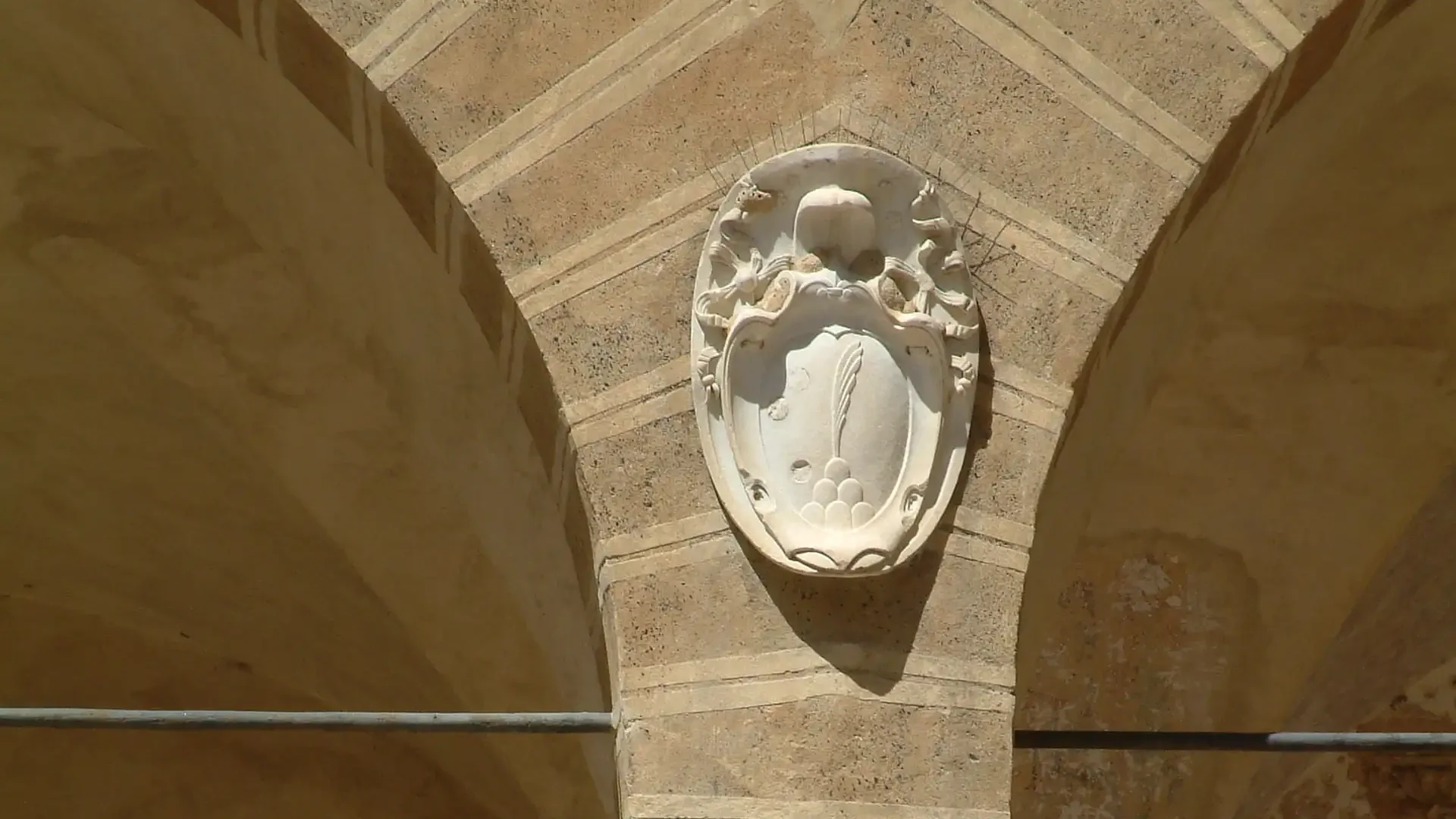
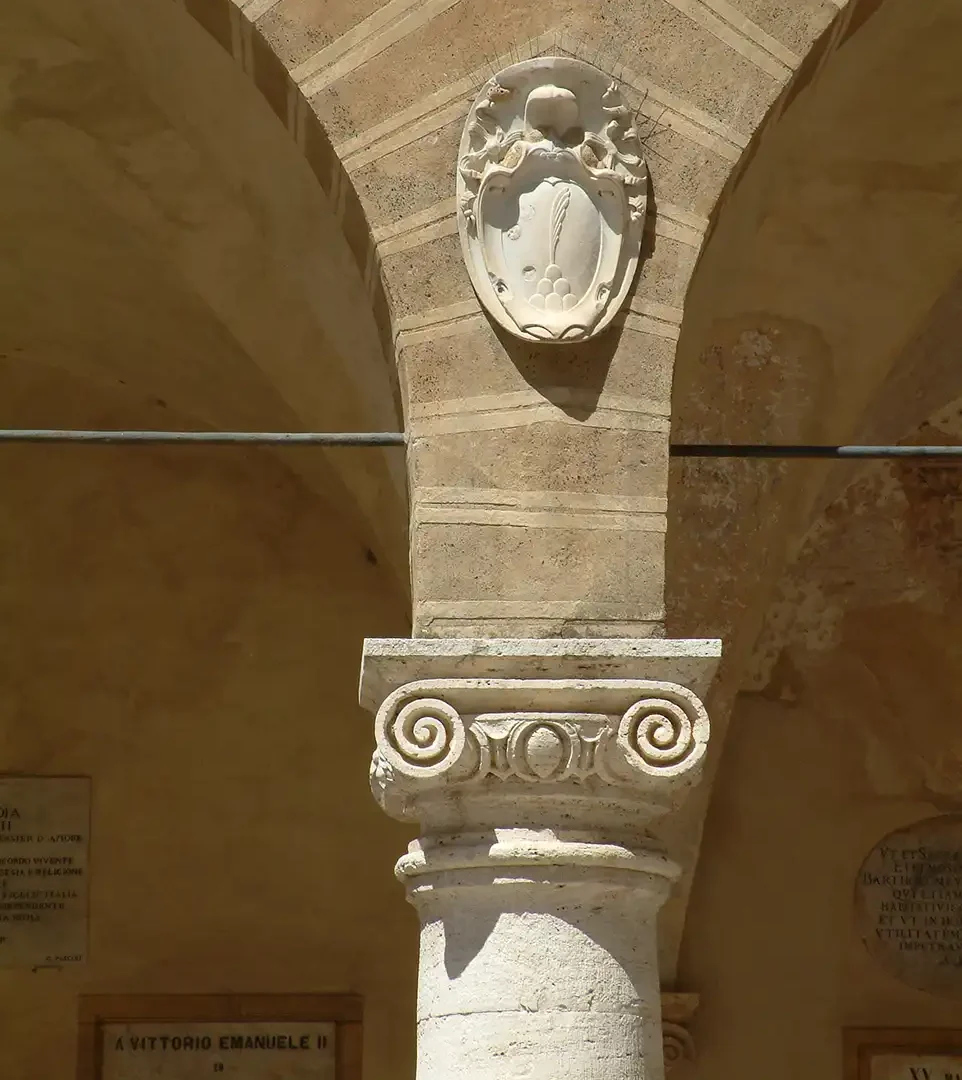
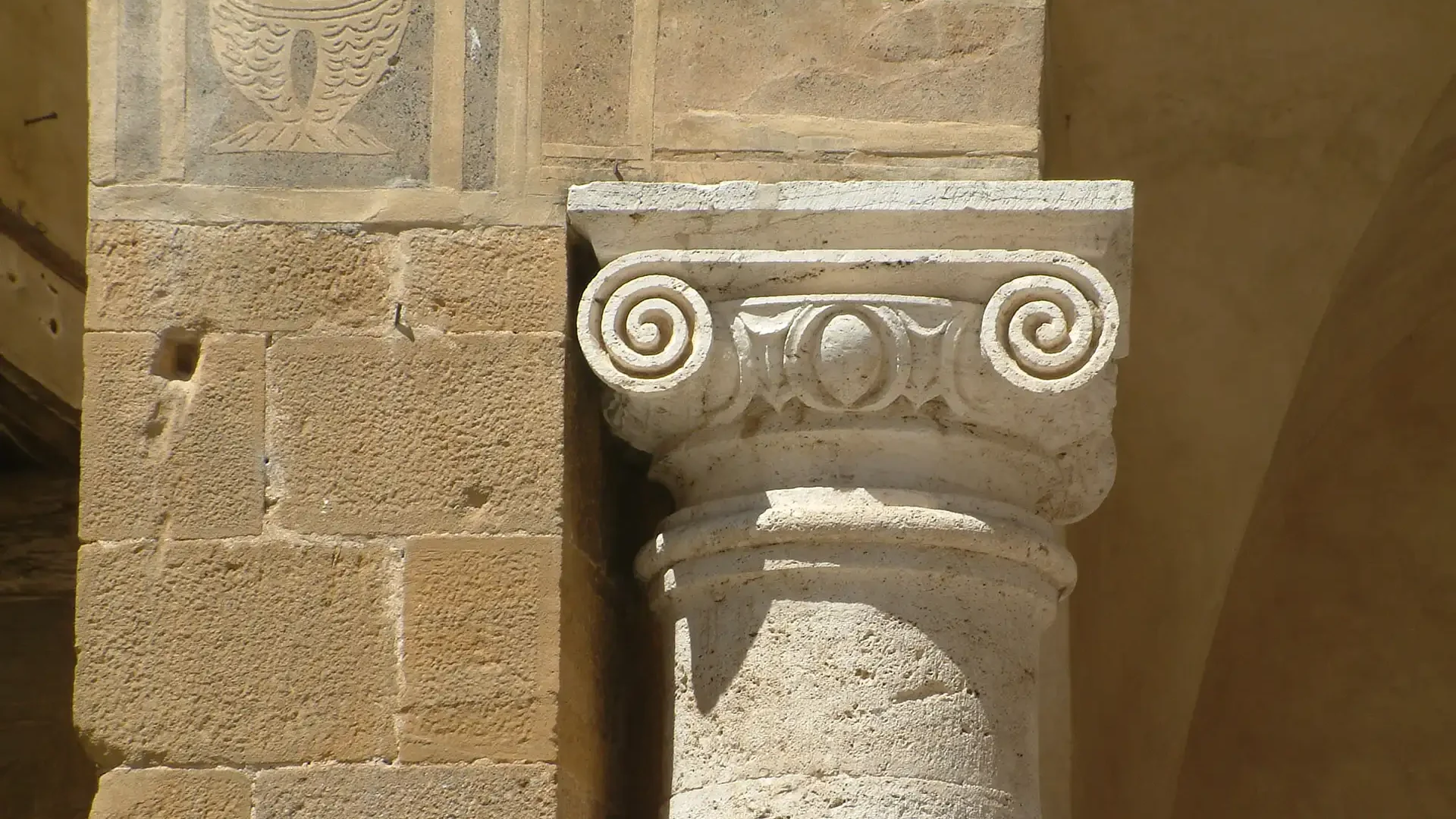
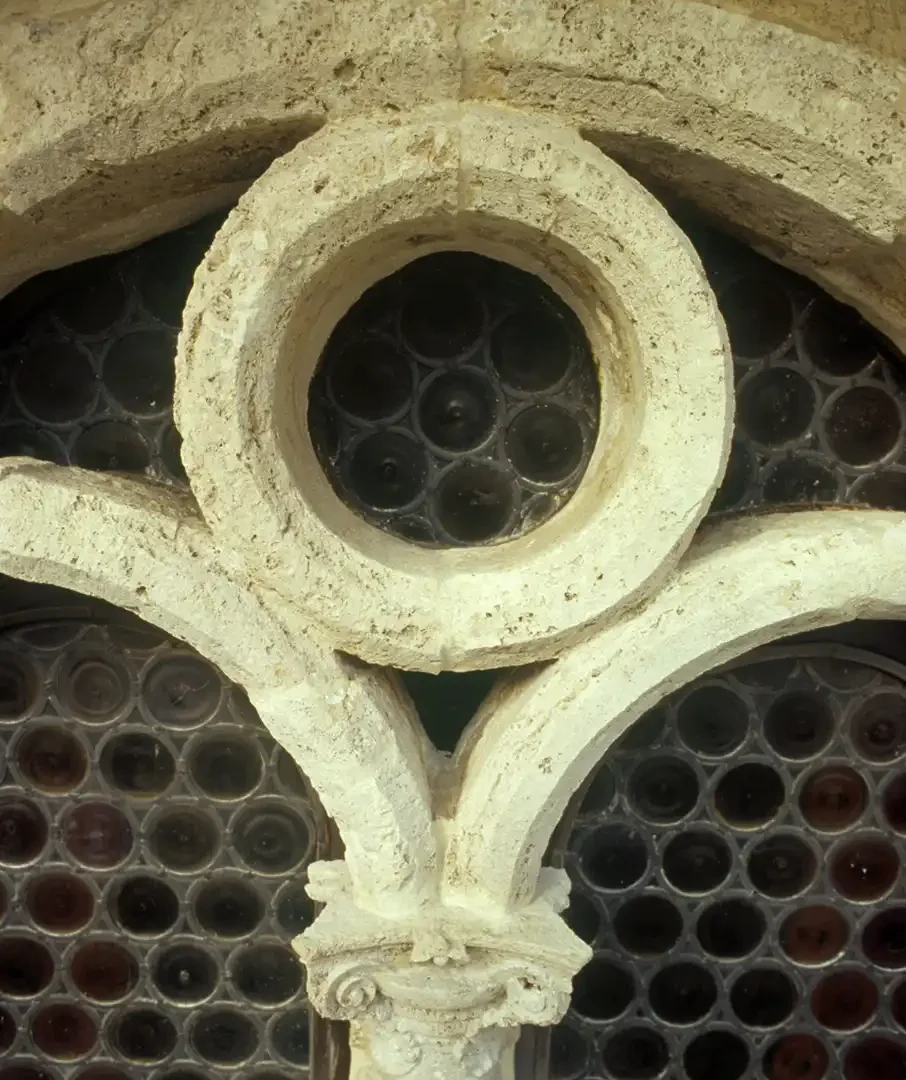
The building is decorated with alternating coats of arms and graffiti on the façade and features four mullioned windows overlooking the square.
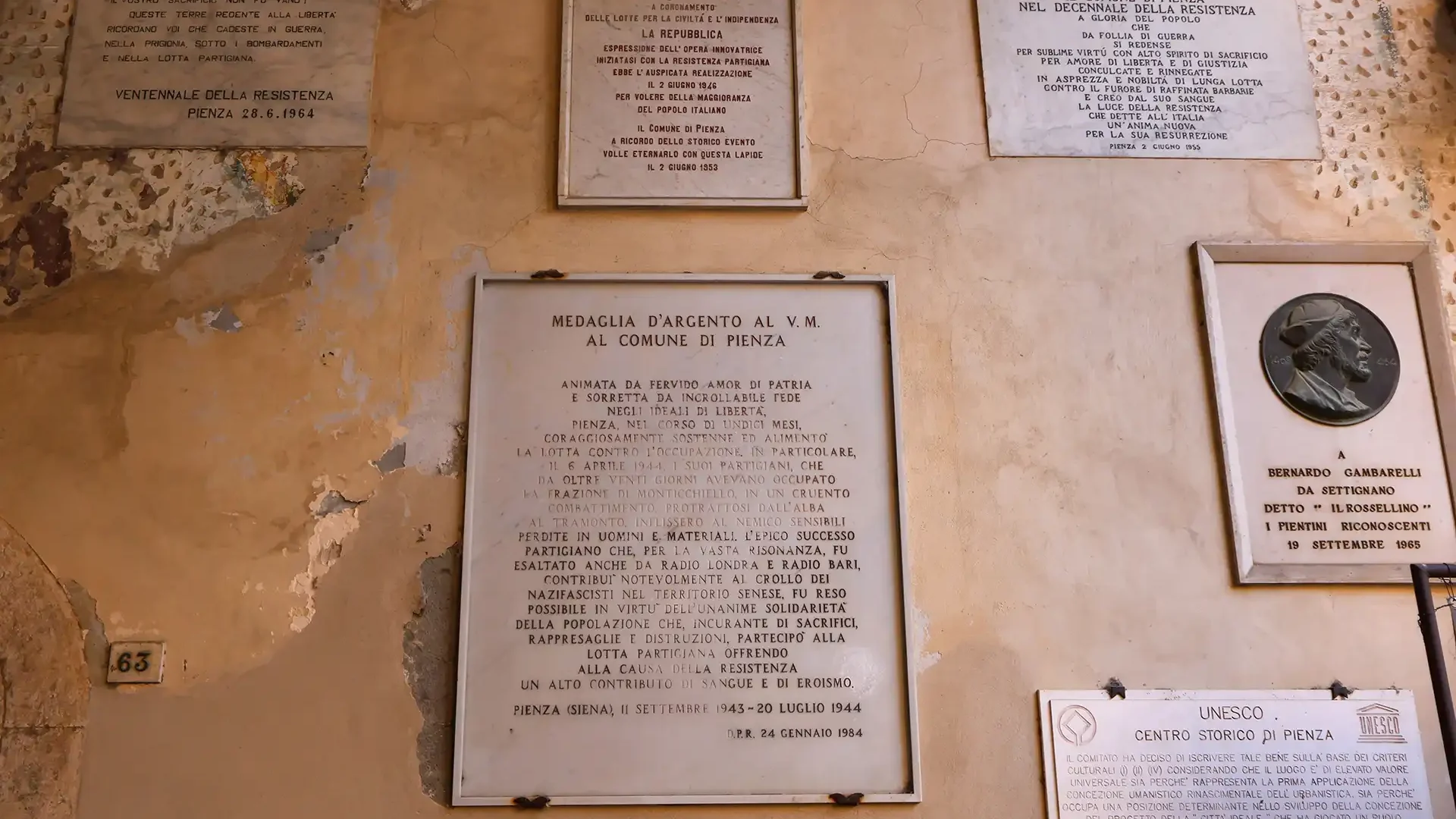
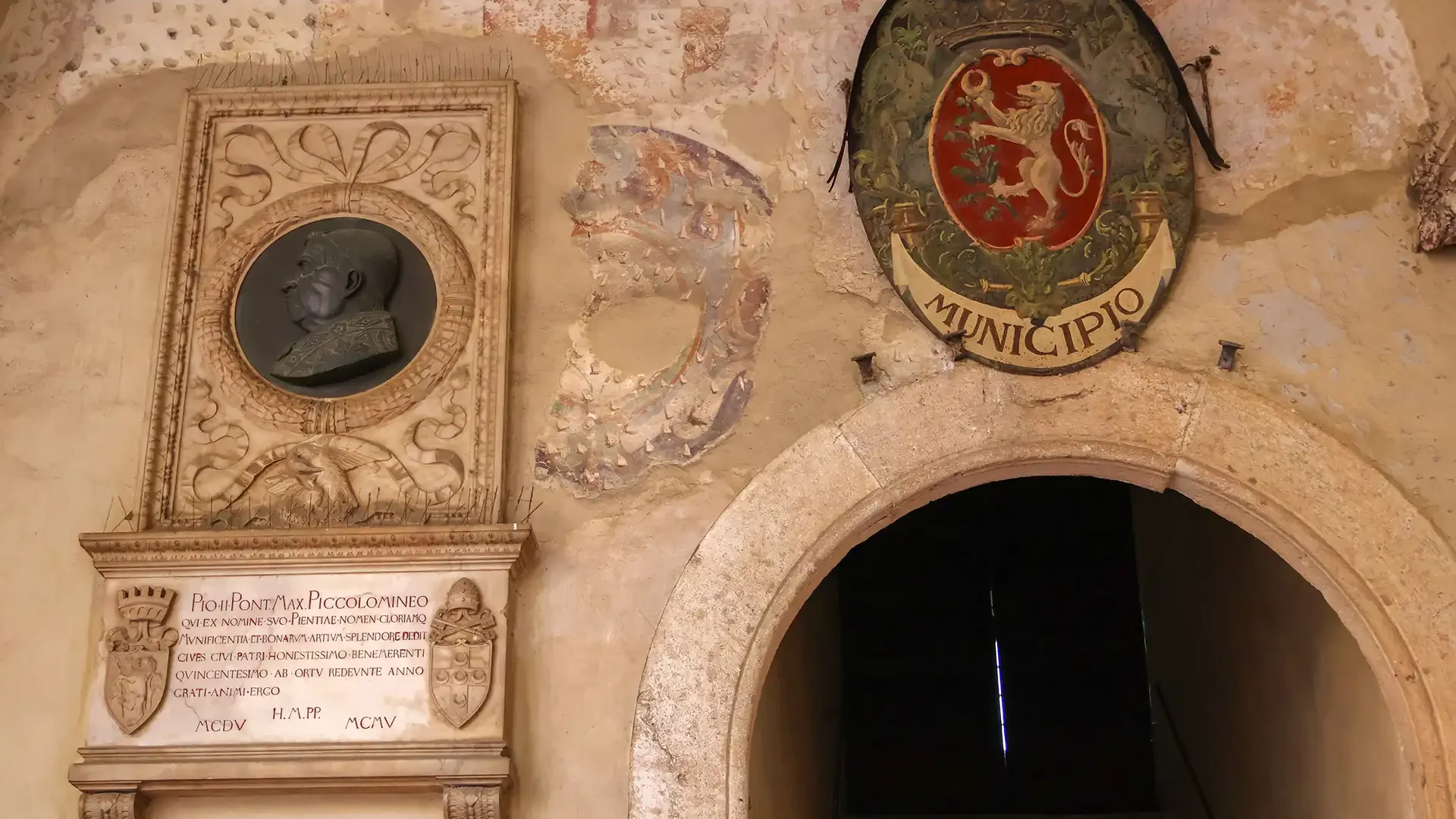
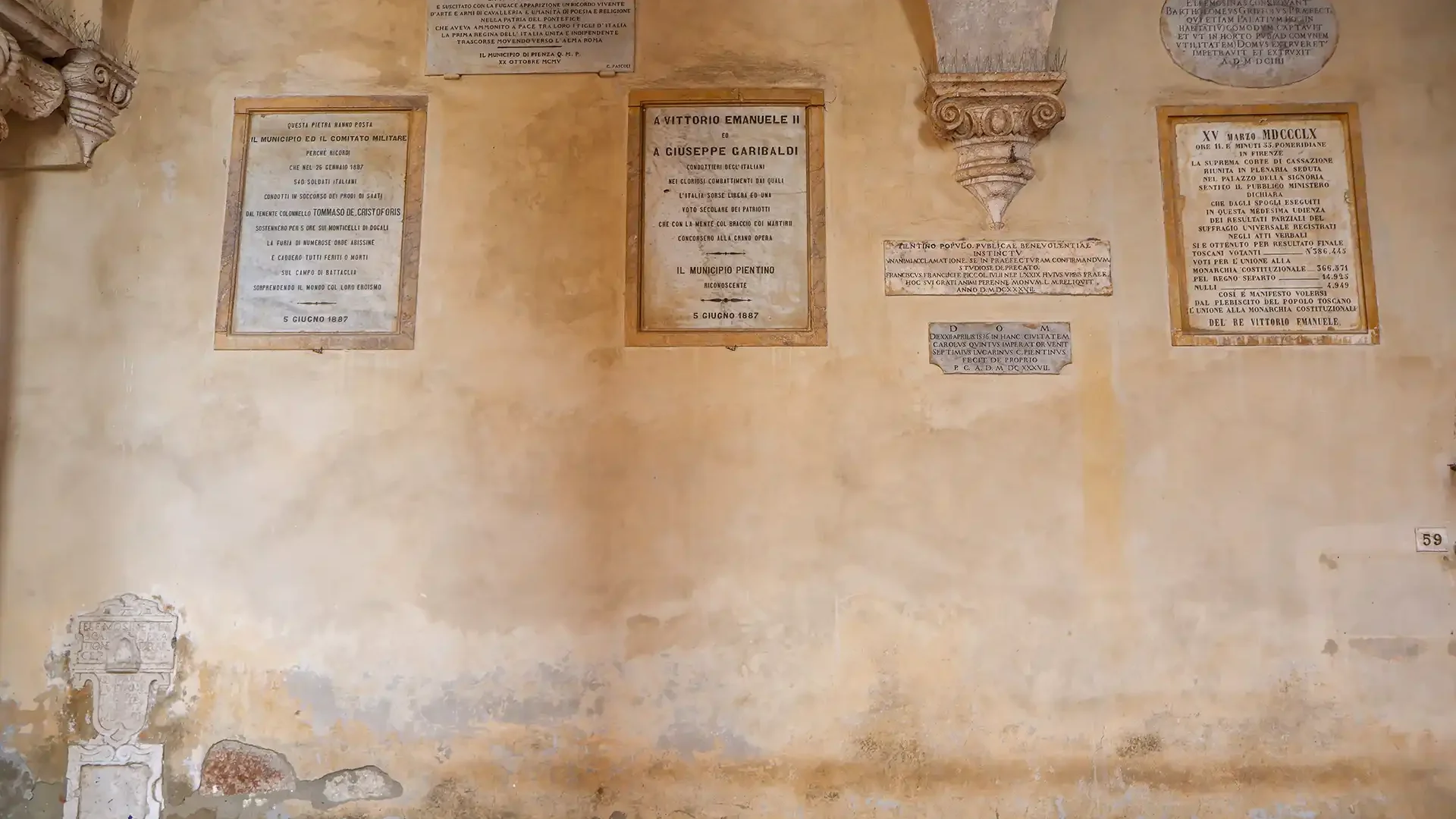
Today, it is the headquarters of the municipal administration. Under the loggia, nineteenth-century commemorative plaques decorate the walls, along with one from 1904, which commemorates Queen Margherita’s visit to Pienza and bears the splendid wording by Giovanni Pascoli: “Pienza, born from a thought of love and a dream of beauty”.
The following year, the poet was summoned to the town again to be part of the committee assembled on the occasion of the celebrations of the fifth centenary of the birth of Pius II on 18 October 1405. The consequence of this event was the creation and subsequent placement in the portico of the loggia of a bronze medallion portraying the profile of the humanist Pope. On the occasion of the designation of the historic centre of Pienza as a UNESCO World Heritage Site (1996), the plaque dedicated to this extraordinary event was also placed here.
As anticipated, the Palazzo is now the headquarters of the municipal administration and is therefore used as offices and places of representation. Among these spaces, the council hall is of great interest, featuring its beautiful wooden choir and frescoes depicting the Madonna and Child with saints Ansano, Gregorio, Matteo and Vito, protectors of the city.
The paintings have been attributed to 15th-century Sienese painters, although interventions carried out over the centuries have altered their original beauty. The bell tower, rising up from the roof of Palazzo Comunale, was built on three levels, ending with a clock, and is a fundamental presence in the life of the people of Pienza, marking the time and reminding each of them of the celebration of Christ.