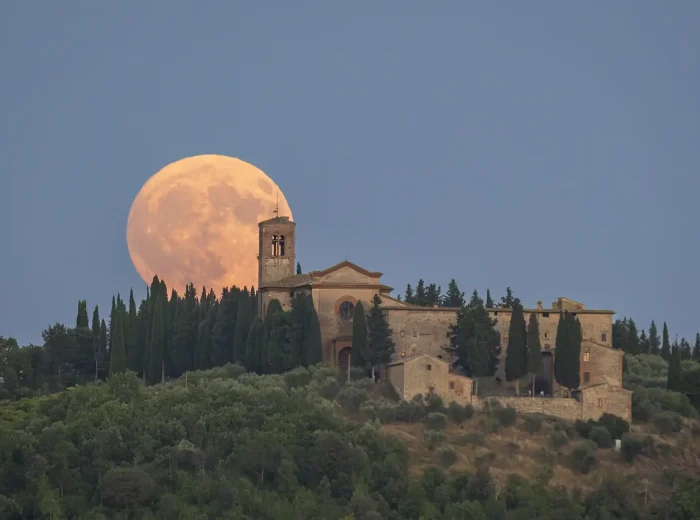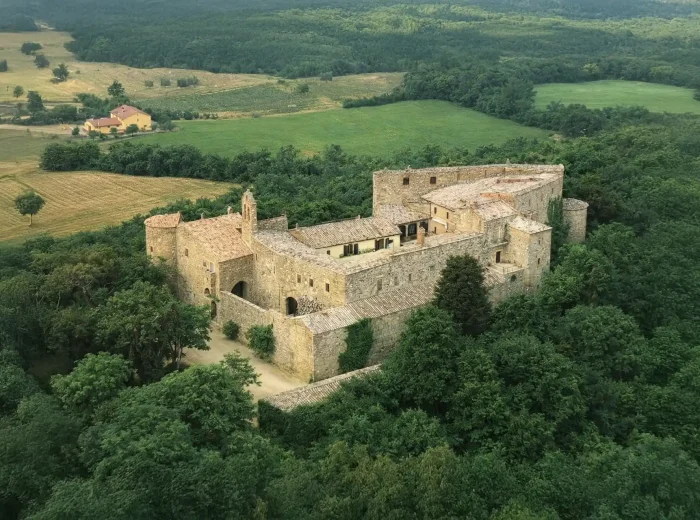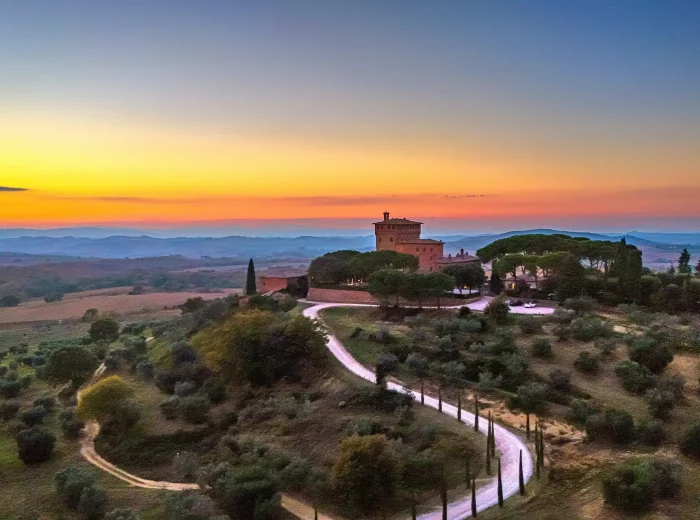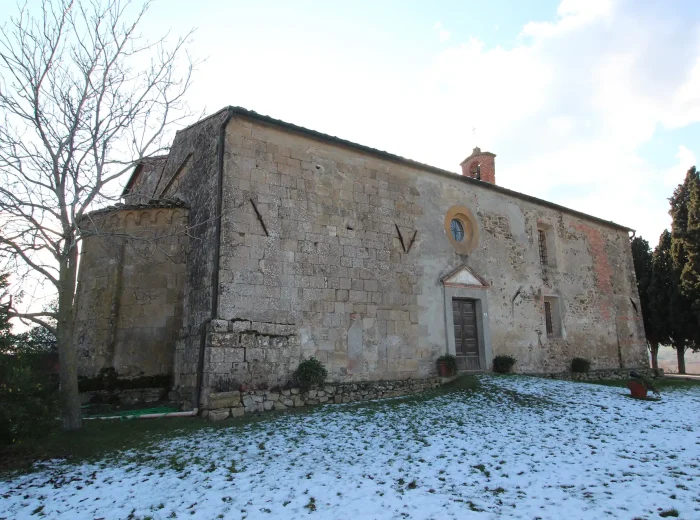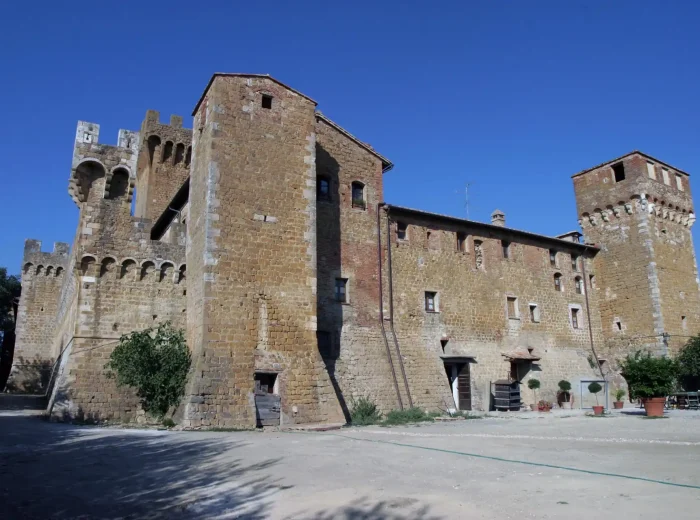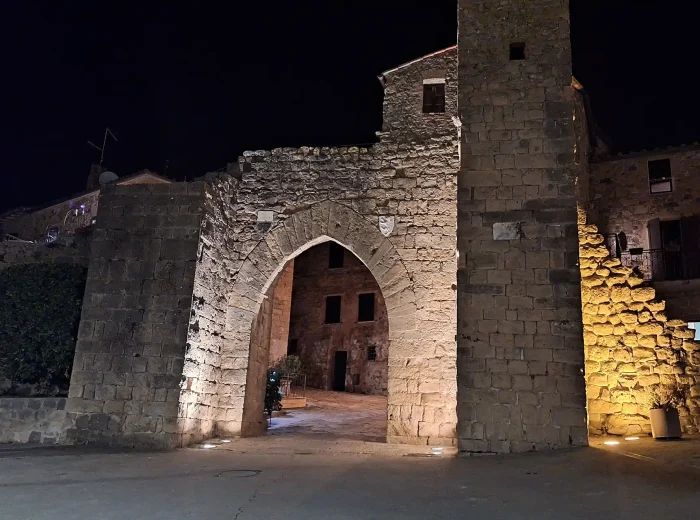
Villa La Foce was built in the second half of the 15th century as an inn, to accommodate pilgrims stopping there on their journey to Rome.
In 1924, the villa was purchased by Antonio and Iris Origo (1902-1988). Iris Origo, an internationally renowned Anglo-American biographer and historian, described the years she spent at La Foce in her two autobiographical books, Images and Shadows and War in Val d’Orcia,. The latter tells the story of her love for the land where she lived and the human devastation that the Second World War had brought to the Val d’Orcia.
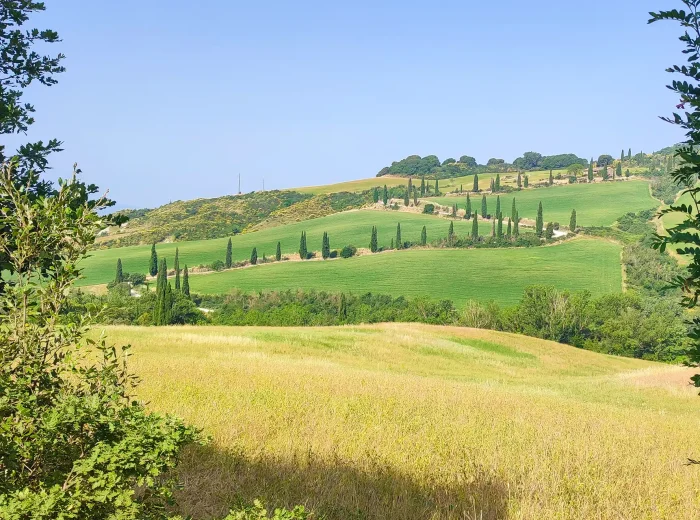
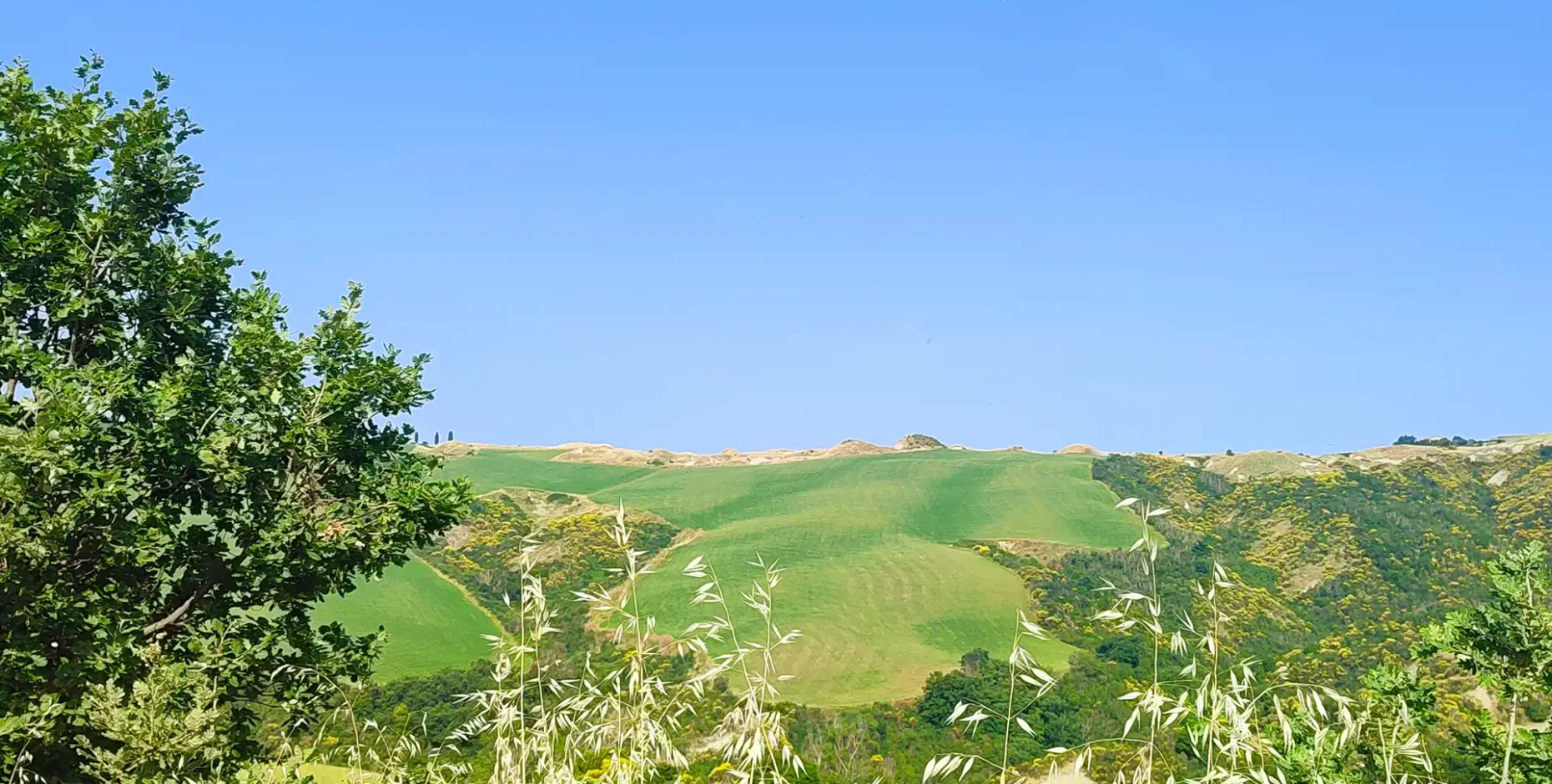
As Helen Wolff, the prominent American editor (1906-1944), stated: “Marquise Origo’s accurate account is one of those rare and precious documents that tell the historical truth through the writer’s artistic mastery: a noble testament to ignoble times”. Mrs Origo was a point of reference for the inhabitants of these lands. She carried out land reclamation works and founded a Sanctuary for children suffering from tuberculosis, as well as welcoming the needy into her home. Today, La Foce is a splendid agricultural estate known throughout the world for its gardens, which paint the lands of the Val d’Orcia with wisteria and roses in the springtime. They were commissioned by Iris Origo and designed by the English landscape architect Cecil Pinset between 1927 and 1939. These works of art blend with the hedges and fountains in the lush nature of this Tuscan land. Pinset skilfully created three gardens around the villa: the lemon garden, where there is a view of Monte Amiata, the rose garden and the lower garden, following the contours of the land to perfection. Visitors perceive the perfect symbiosis between human intervention and nature.
The part of the garden next to the villa is organised on two levels: the simple lower level, enclosed by laurel hedges and decorated with pedestals for lemon trees, and the upper level with beds of boxwood bushes arranged in an octagonal shape, with a travertine fountain in the middle featuring two fish. A wisteria-covered pergola runs along the sides of the building, while there is a leafy grotto in front of it. From this area, there is a passageway between pillars with vases, which leads to the lemon garden (started in 1933), arranged in terraces that follow the contours of the hill, with flowerbeds bordered by boxwood bushes and decorated with potted lemon trees. A single significant architectural feature is the flight of steps that connects to the wisteria path and to an avenue of cypress trees and leads into the woods. Next comes the rose garden, with small geometric flowerbeds bordered by lavender and perennials. The final section of the complex was built in 1938 and is connected to the lemon garden by a monumental travertine flight of steps beneath which lies the “blue grotto” with seven niches. This garden is enclosed by cypress trees and features boxwood flowerbeds that converge towards a pond and a travertine bench above which there is a statue of Nature. At the edge of the woods, there is a small cemetery with a travertine chapel decorated with a Serlian window.
The Villa, now a prestigious resort, is built on three levels: Its interiors are decorated with frescoes and antique furnishings in typical Anglo-Tuscan style.
Info: The La Foce gardens can only be visited with guided tours, from the last weekend in March until, and including, 1 November www.lafoce.com TEL. + 39 0578 69101