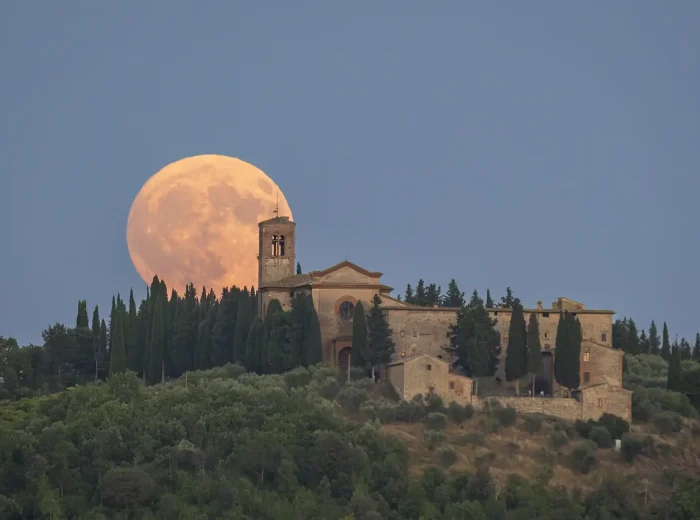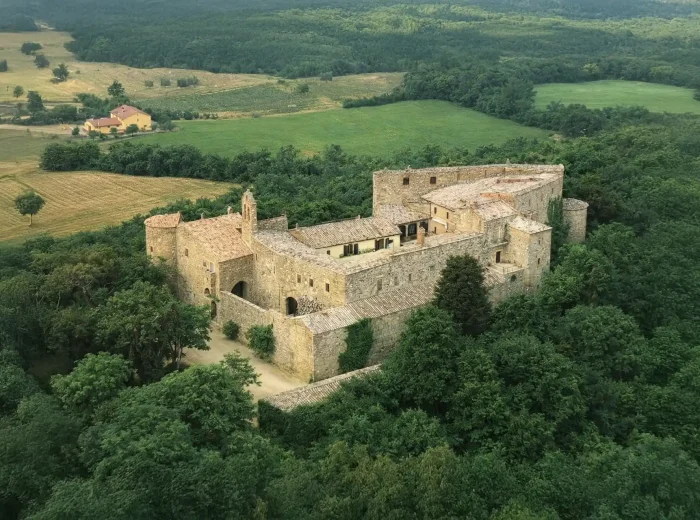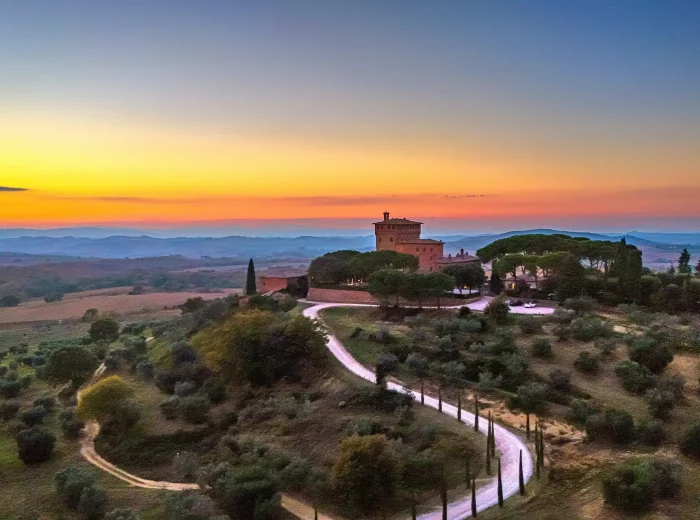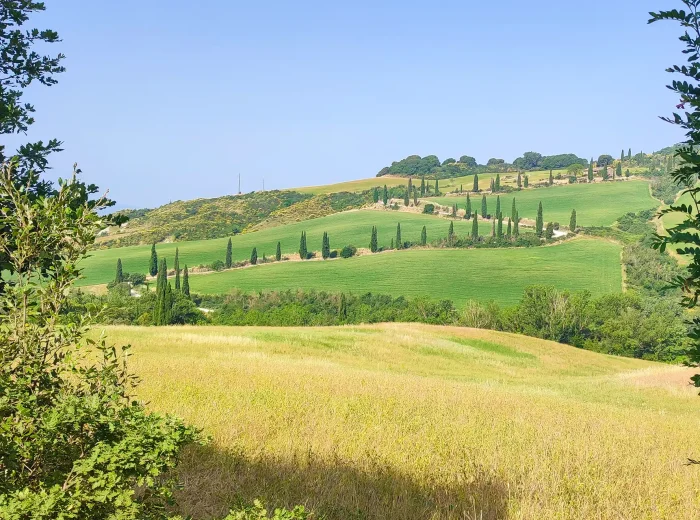
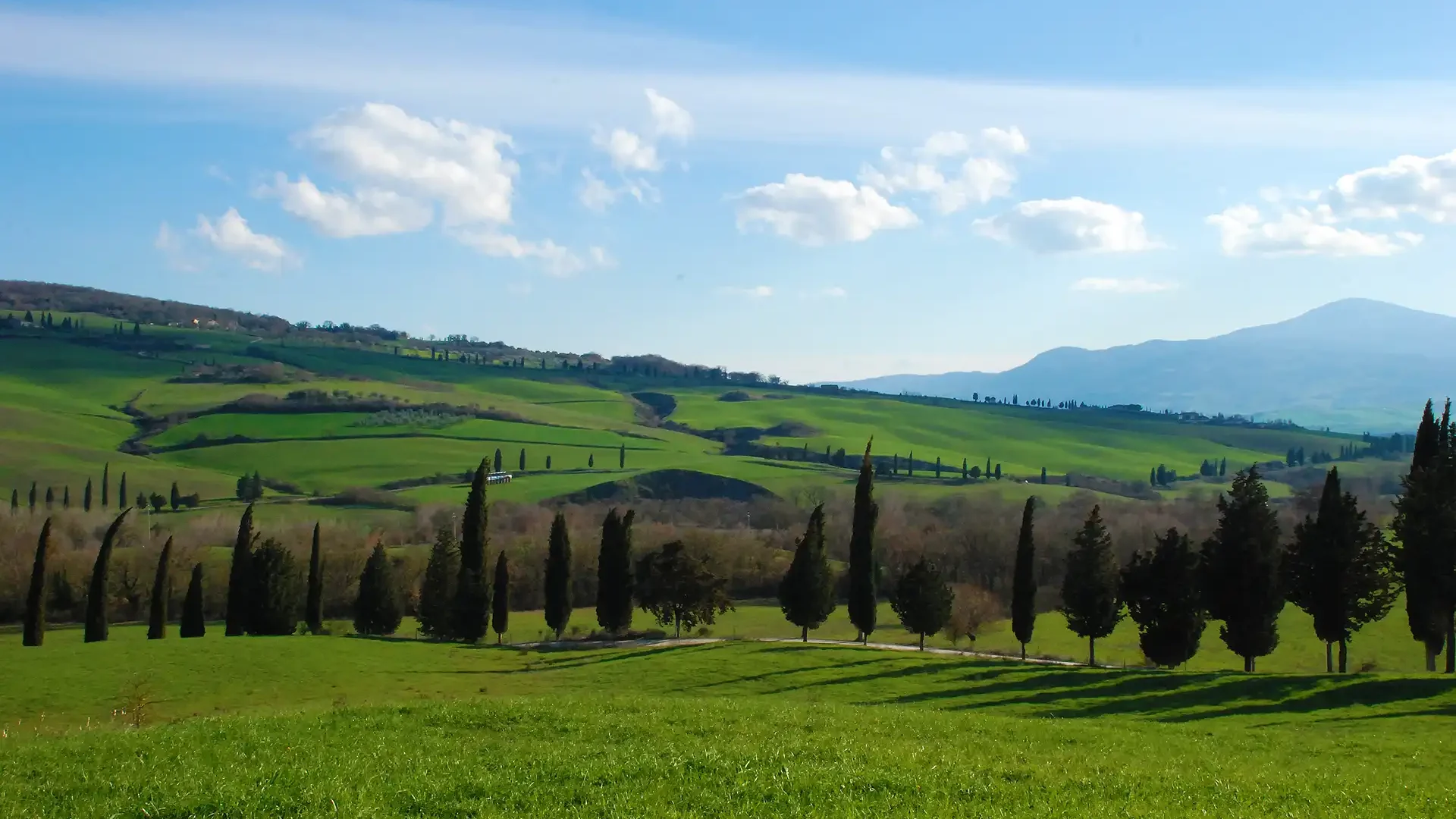
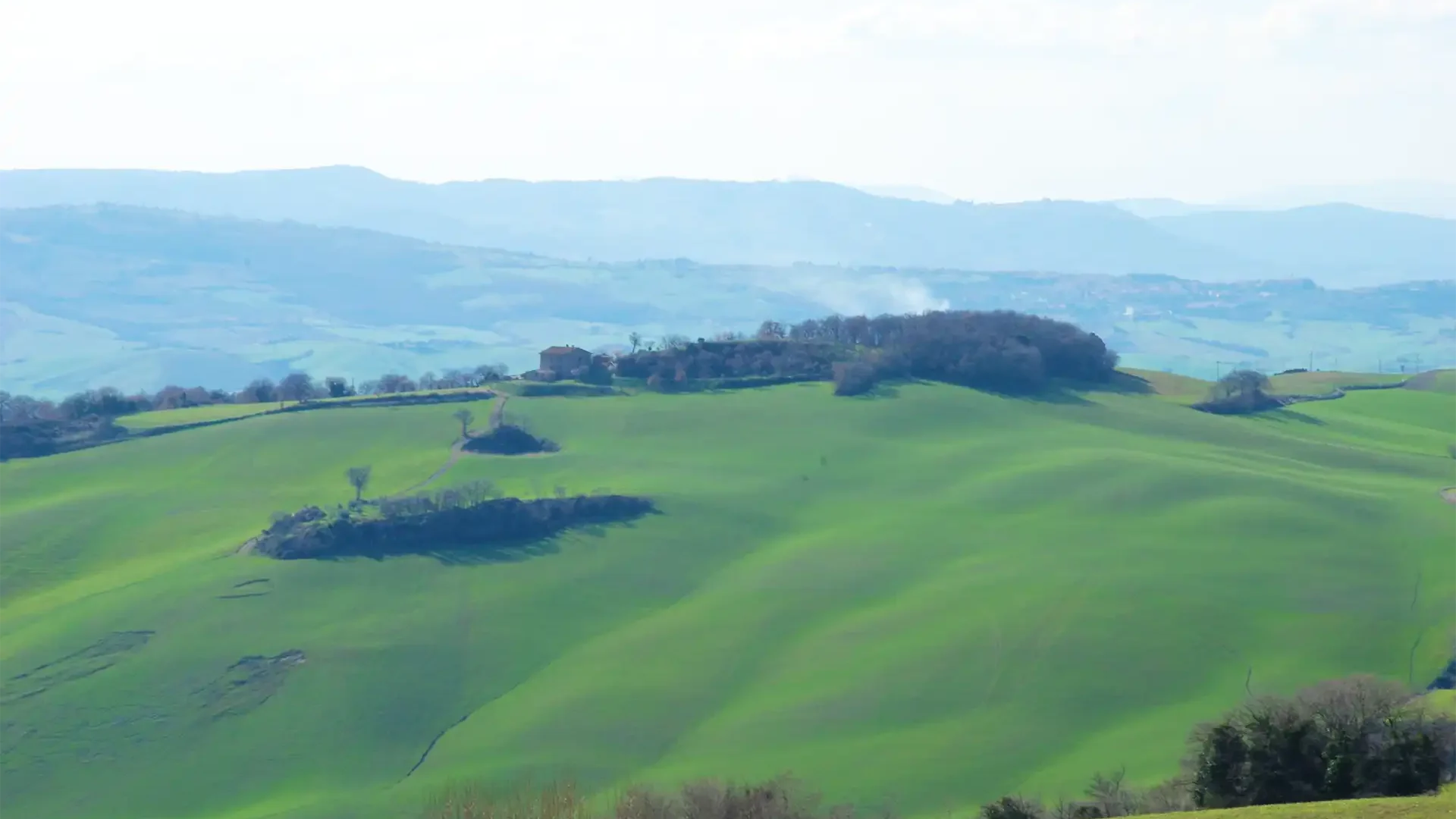
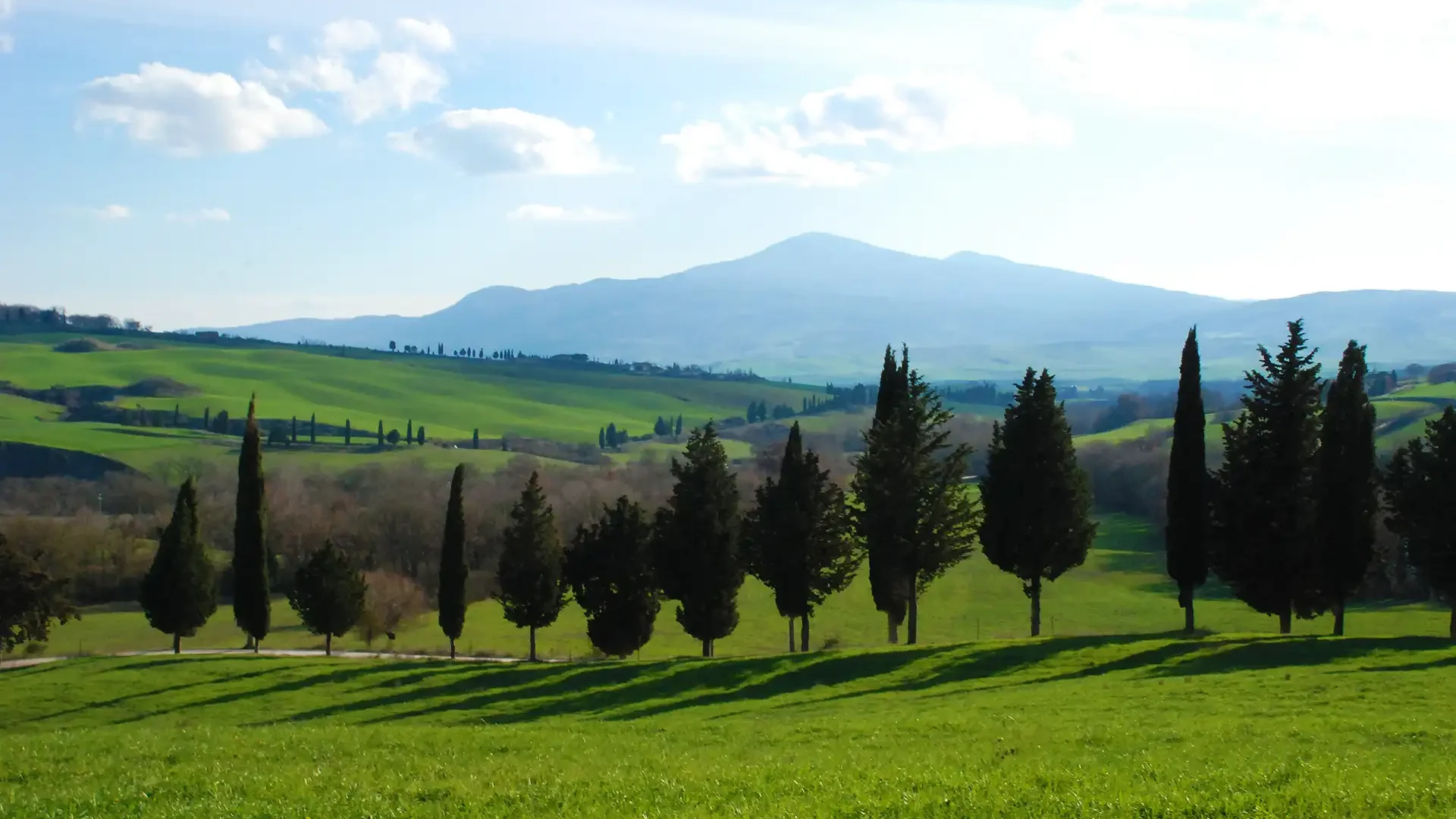
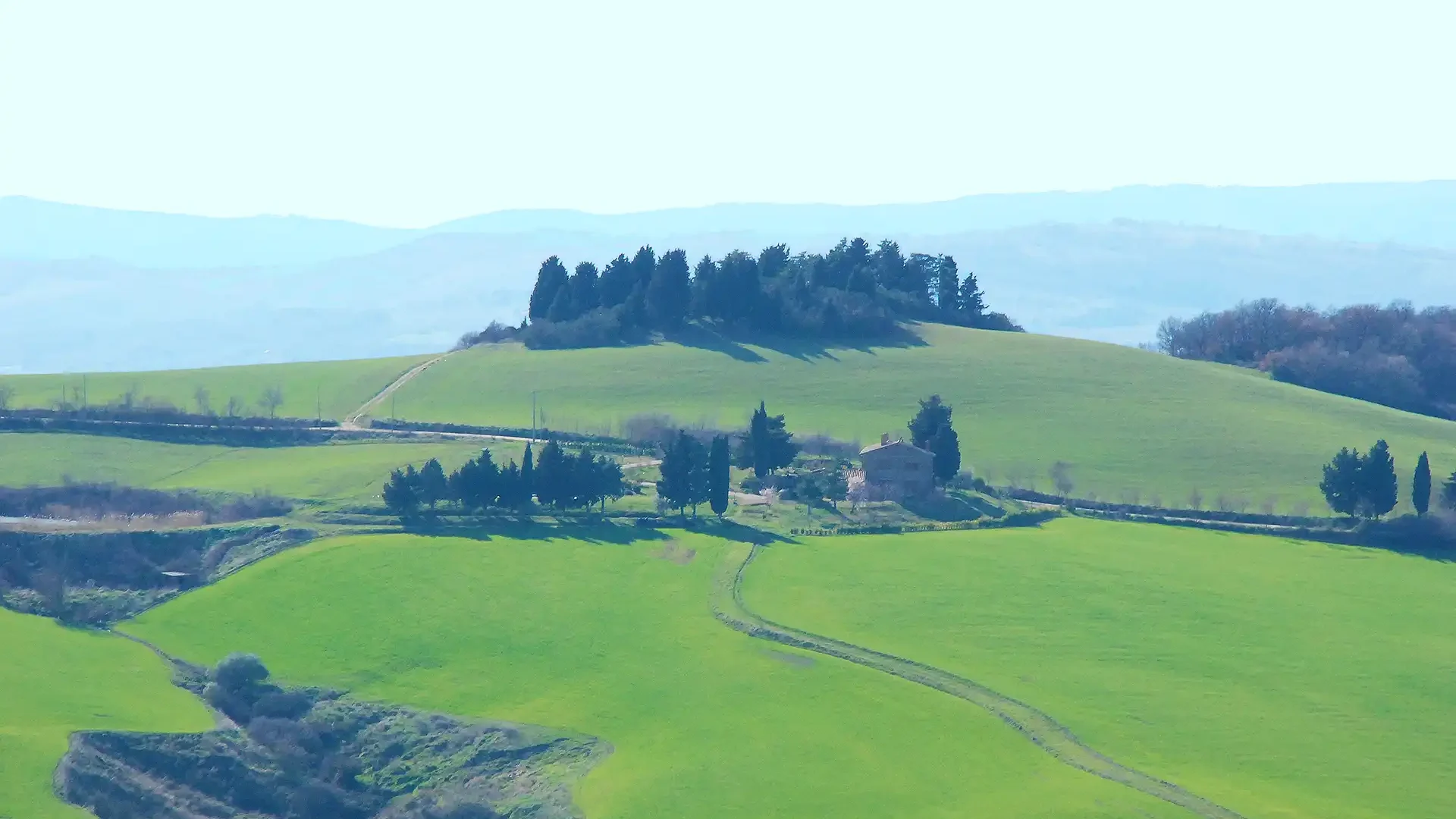
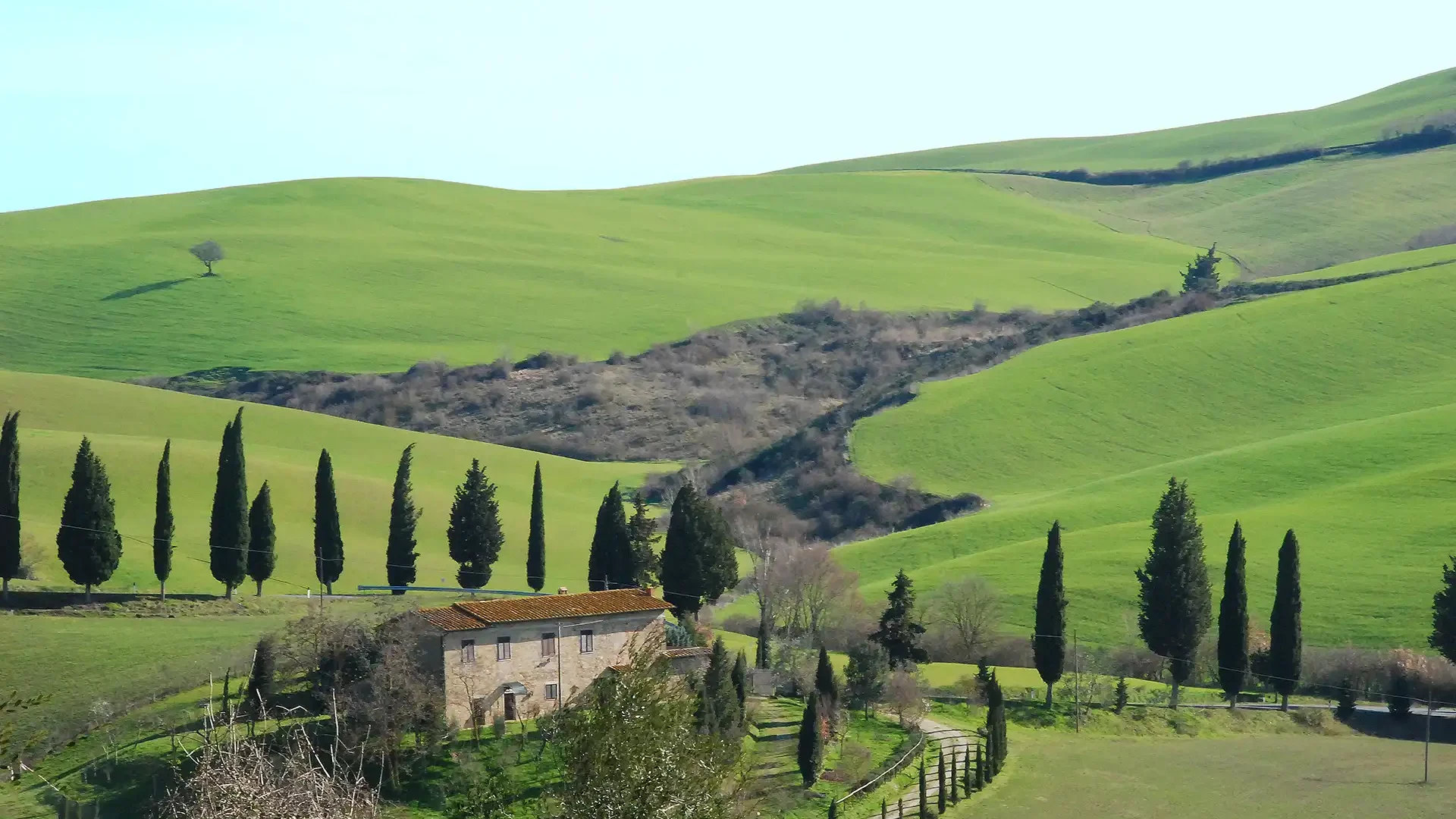
Just a few minutes from Pienza, perched on a hill overlooking the Val d’Orcia, lies Monticchiello, a charming medieval Tuscan village with a strong and proud identity
Its strategic location near the Foce Pass has favoured human settlement there since prehistoric times, as numerous archaeological finds have confirmed.
Over the centuries, Monticchiello was one of the most important strongholds of the Republic of Siena. The first records date back to 973, when Count Lamberto Aldobrandeschi sold it to the Abbey of Monte Amiata. In the Middle Ages, the village had a series of rulers – including the Aldobrandeschi family, the Papal States and the Teutonic Knights – until it became a defensive bastion fought over by Siena, Florence, Arezzo and Orvieto.
Having become a Sienese municipality in the 13th century, it remained loyal to Siena until the 16th century, when it fell under Medici rule. However, the independent spirit of the people of Monticchiello never wavered: during the Second World War, on 6 April 1944, a small group of partisans from the village managed to ward off an attack by the Fascist army, an event that is still remembered with pride today.
Things to see
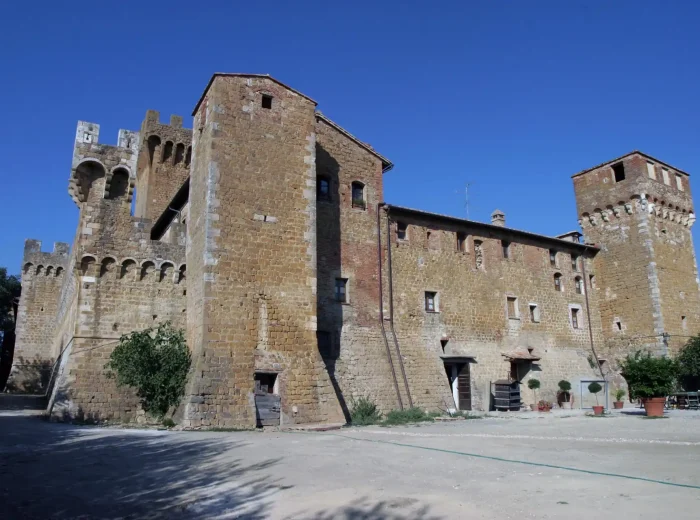
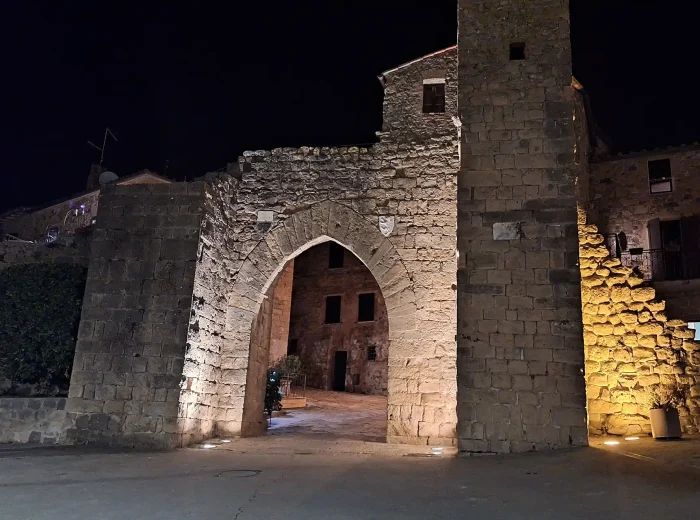
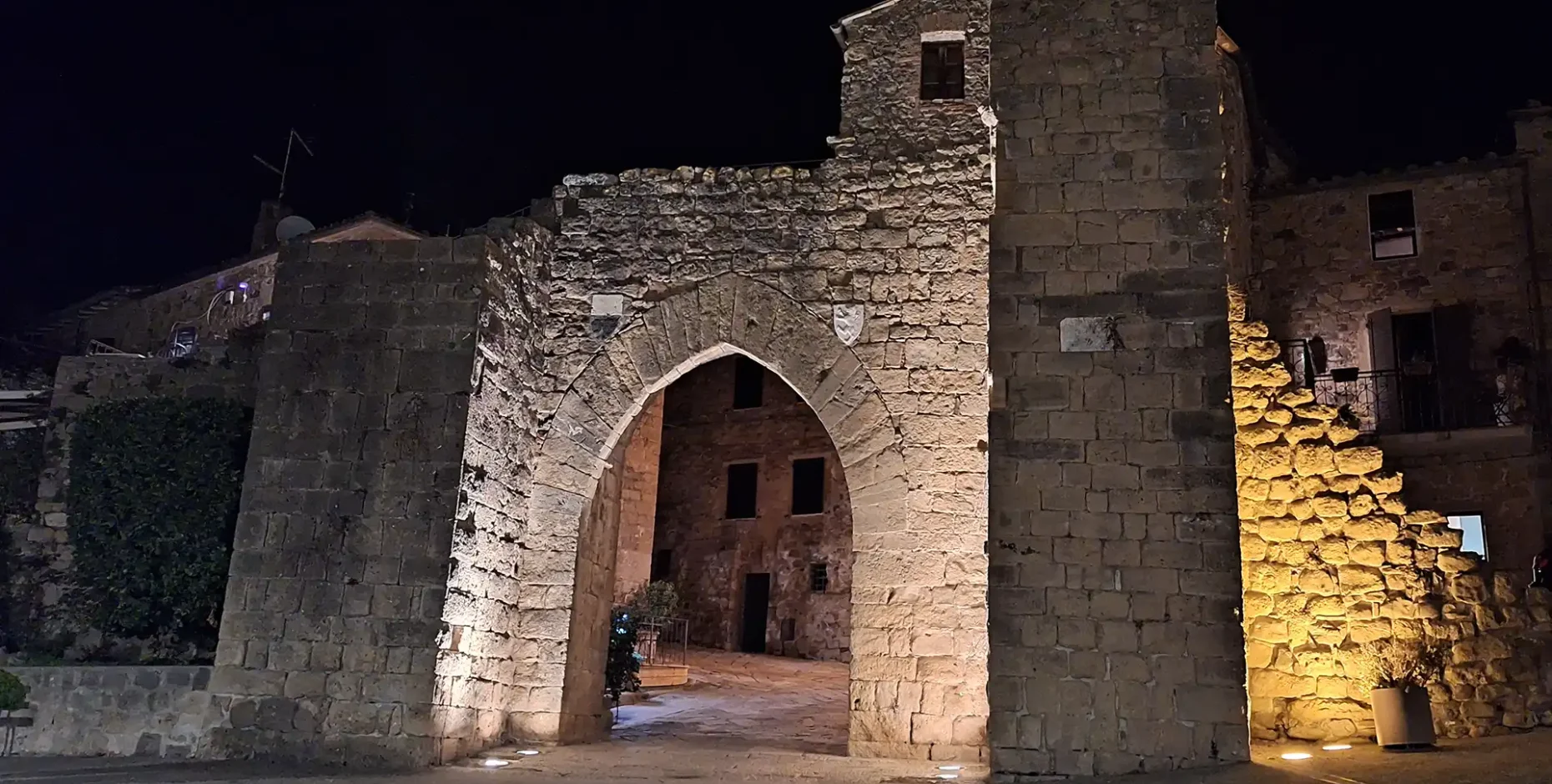
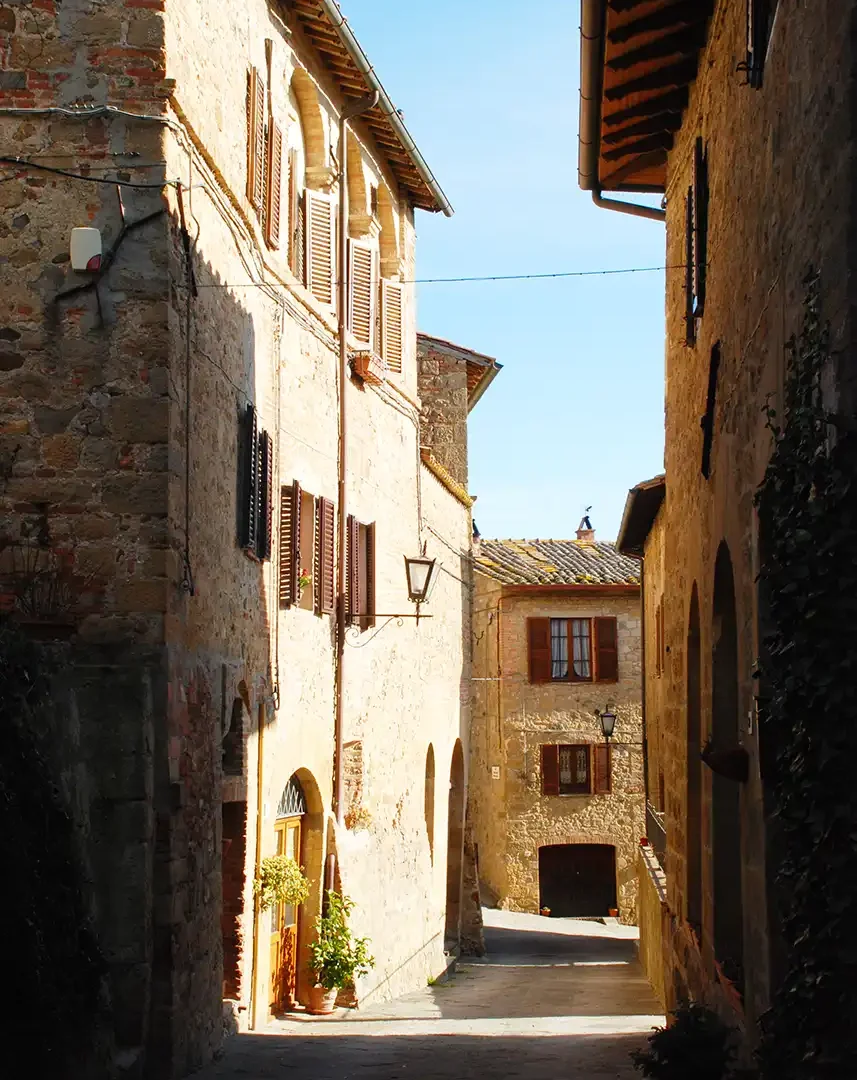
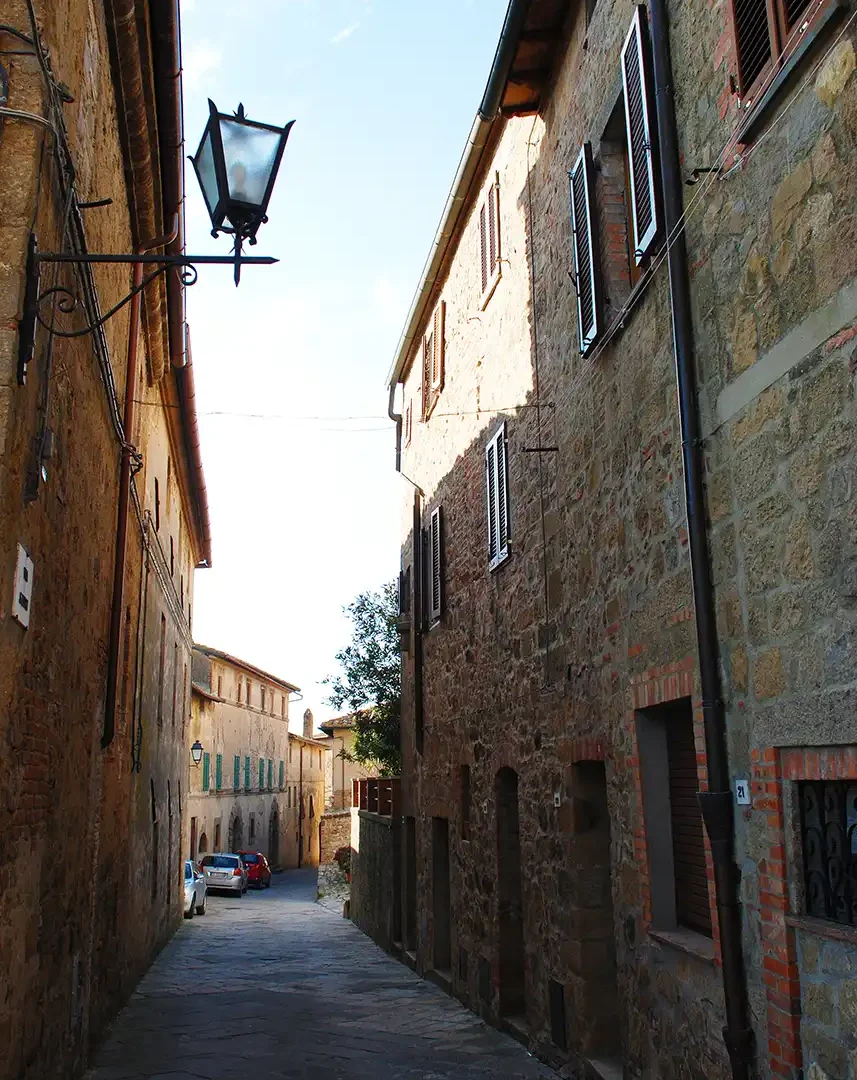
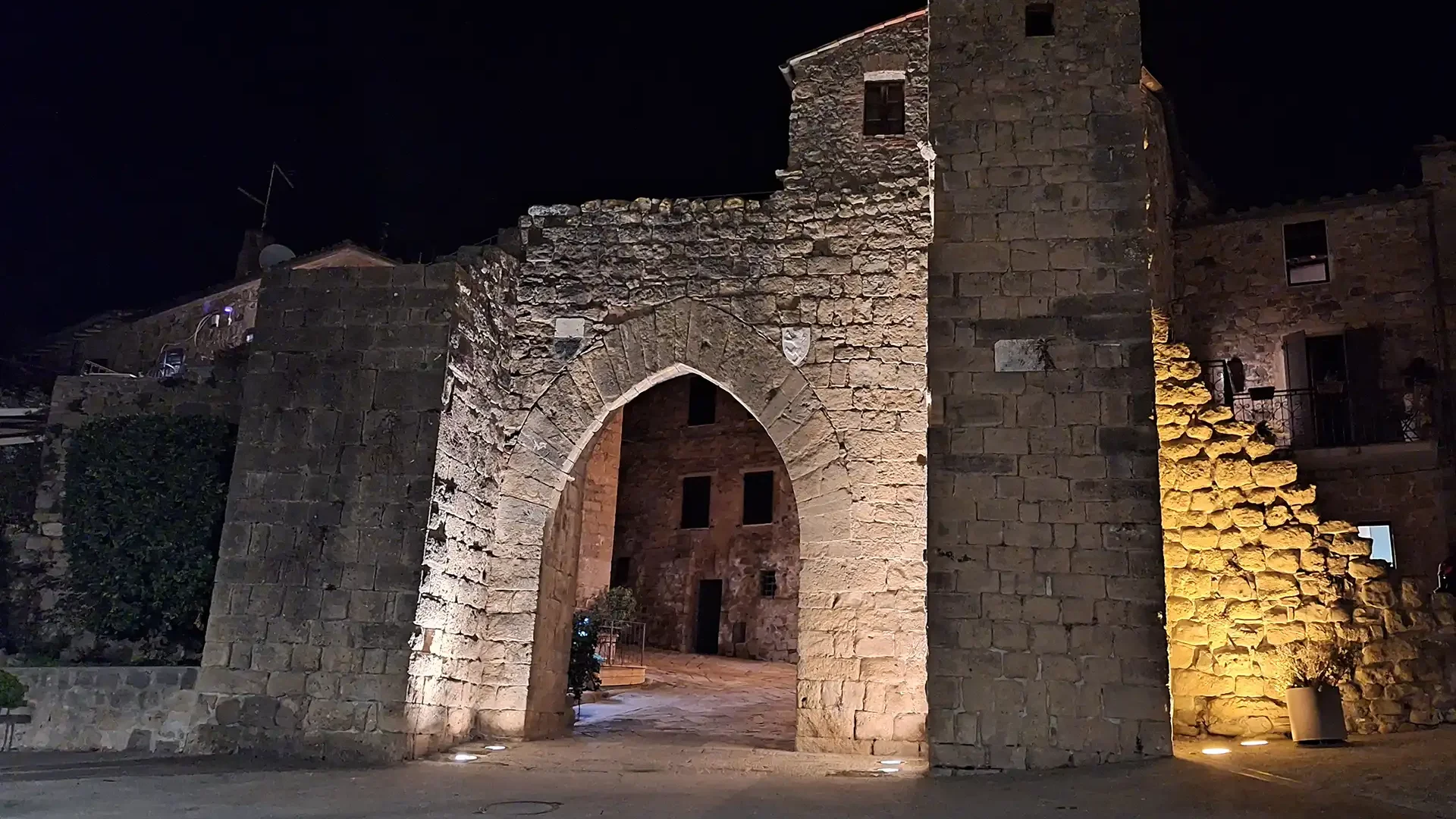
Monticchiello retains the charming appearance of a fortified medieval village. It can be accessed through an elegant Gothic gate, called Porta Sant’Agata, once protected by a defensive outpost that no longer exists. The houses are clustered around the square and the Parish Church of Santi Leonardo e Cristoforo, enclosed within a wall dotted with 15th-century towers.
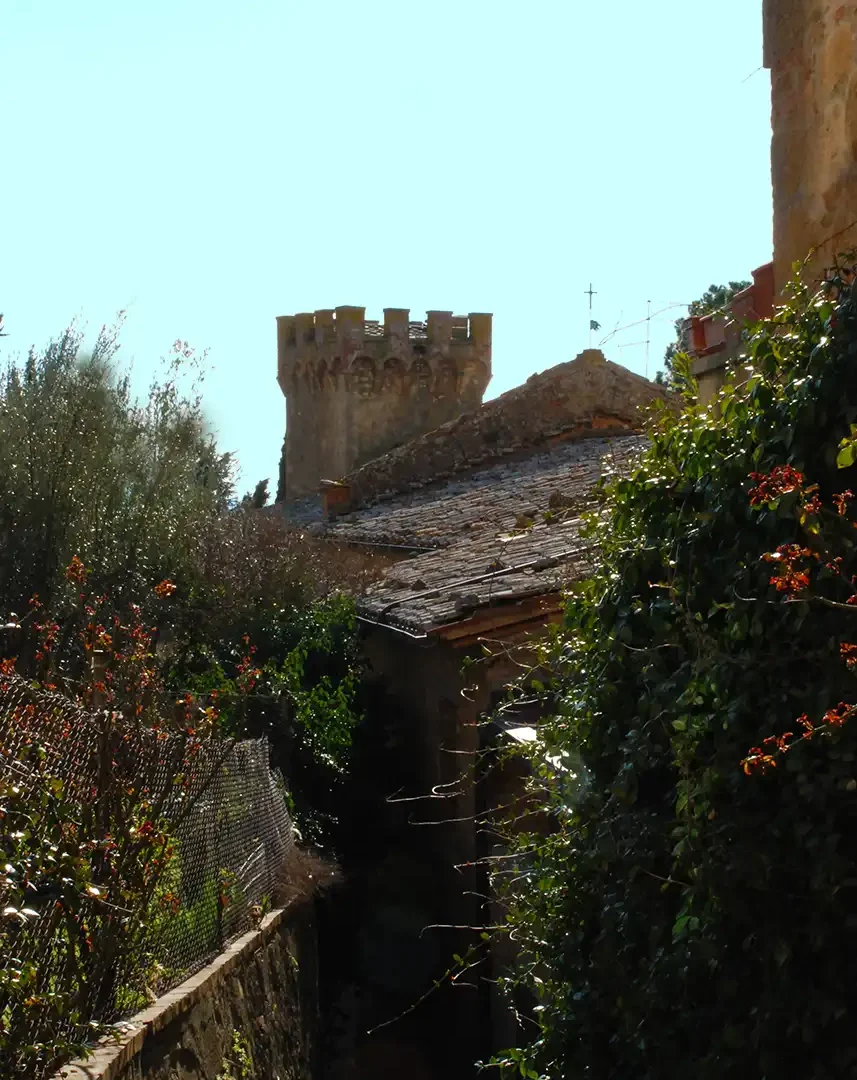
At the highest point of the village stands the Fortress, which was rebuilt in the early 15th century: It is a formidable tower with a square, sloping base and embrasures, constructed from perfectly crafted stone ashlars. Built as a “Maschio” (main tower) dominating the keep and the residential area, it was a symbol of the village’s defensive strength.
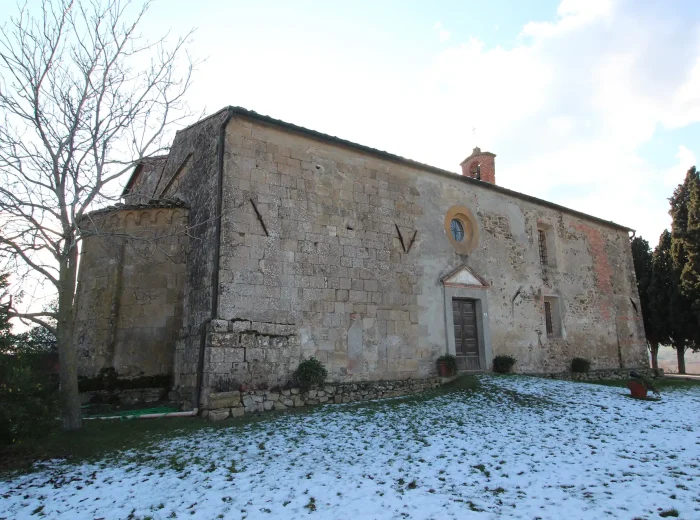
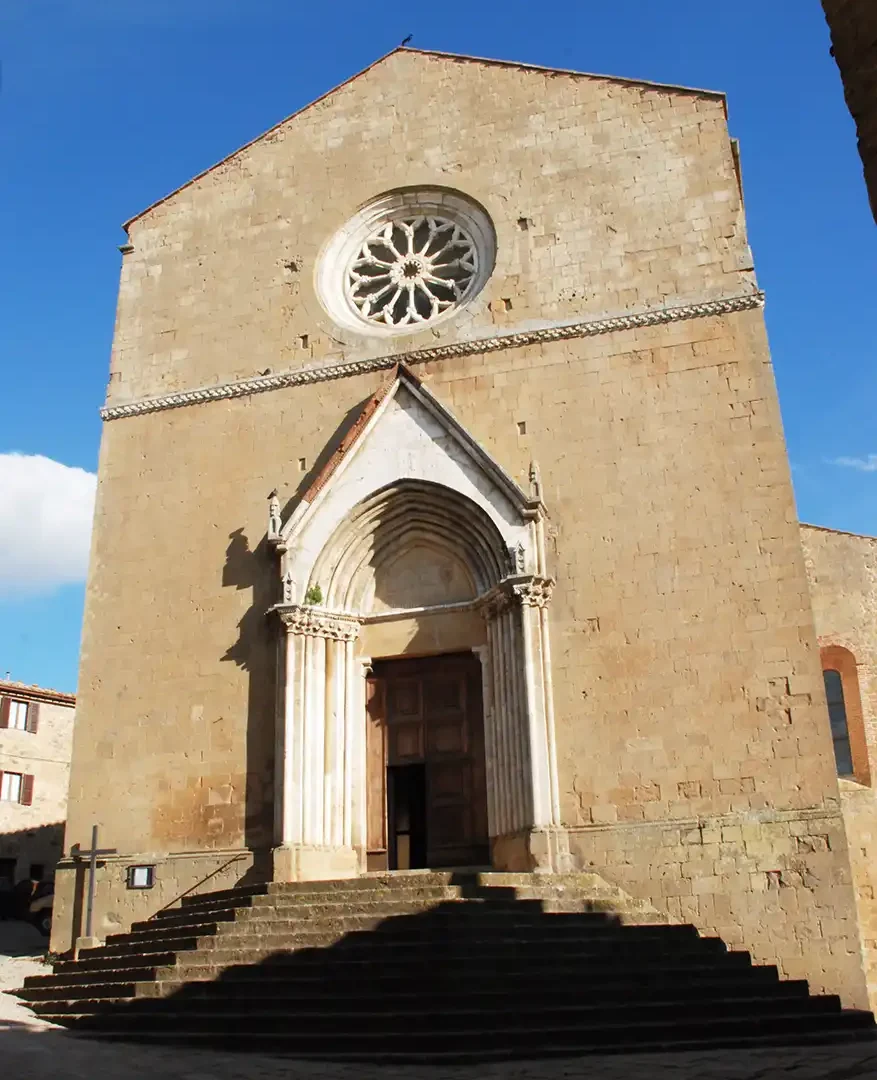
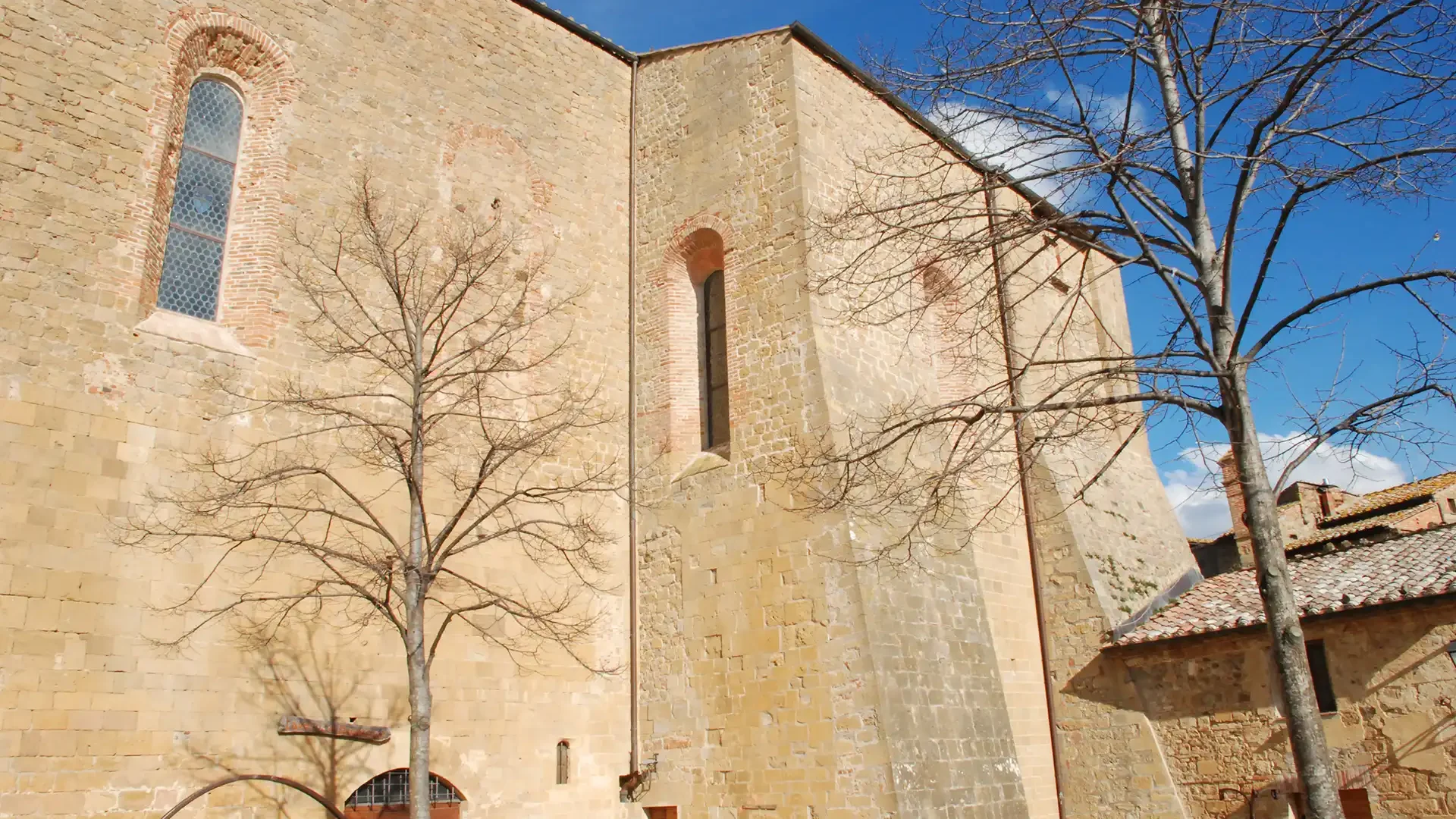
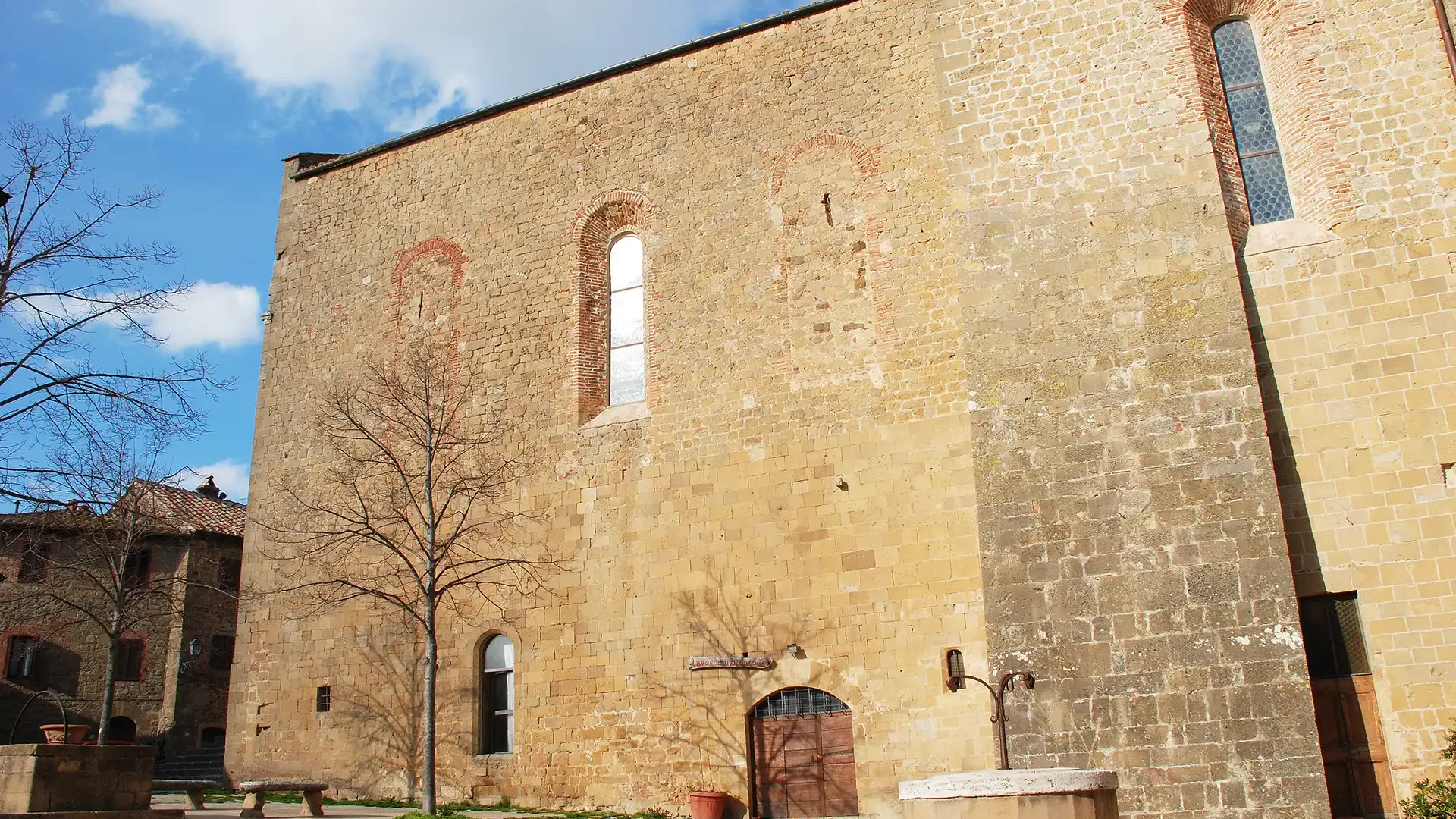
The Church of Santi Leonardo e Cristoforo was built in the 13th century by Cistercian craftsmen and commissioned by the Republic of Siena and is a magnificent example of Gothic-Cistercian architecture. It features a polygonal access staircase, a cuspidated portal and a rose window with twelve trefoil arches. The interior was once completely frescoed and now displays 14th and 15th-century pictorial fragments:
- A rare St Francis of Assisi dressed as a Saccato, of the Saccati (Friars of the Sack) order, an unusual portrayal of Franciscan iconography;
- A St Nicholas of Bari enthroned with Saints Cosmas and Damian, the work of an unknown 15th-century Sienese painter;
- A fragment with Saint George presenting a knight to the Virgin Mary enthroned, probably a portrait of the captain of the people of Monticchiello;
- The majestic figures of St Christopher and St Leonard, on the sides of the main chapel.
Among the most valuable works are a rare depiction of the Sacrament of Confession, attributed to a painter close to Ambrogio Lorenzetti, and a copy of the Virgin Mary and Child by Pietro Lorenzetti (1310-1320), the original of which is kept in the Diocesan Museum of Pienza.
Inside the main altar is the tomb of the Blessed Giovanni Benincasa (1375-1426).
Interesting Facts
Next to the church, there is a small square where the ancient cemetery was once located. Today, a former granary stands there, which is home to the Museum of Teatro Povero (Poor Theatre) of Monticchiello (Tepotratos).
This unique theatrical experience, which emerged in the 1960s thanks to the initiative of the parish priest Don Vasco Neri and a group of inhabitants, has become famous throughout Italy. Every summer, the residents stage collective plays in the main square, written, directed and performed by themselves. These plays address social, historical and contemporary topics, creating a rare example of lively and collaborative people’s theatre.
 Useful Information