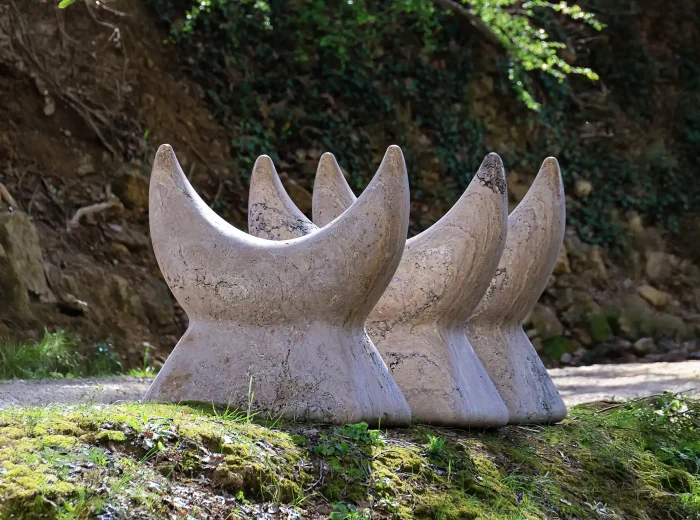
Craftsmanship is the jewel in the crown of Pienza’s economy. In Tuscany, ever since the Middle Ages, the boundary between craftsmanship and art has always been blurred.
An artisan is, in fact, an authentic artist, who makes his creativity and talent available to others.
This ancient manual knowledge that emerged, in this case in the rural civilisation, has been handed down from father to son right up to the present day and is updated based on functionality and design, without sacrificing technological progress.
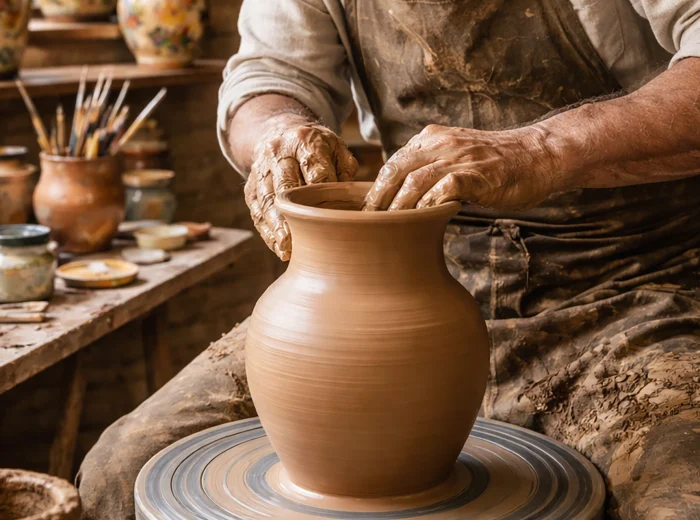
Along Pienza’s alleyways, it’s common to come across the workshops of potters, blacksmiths, leather artisans, weavers or makers of jewellery, clothes and home furnishing objects created from various materials. These artisans are mostly local inhabitants, sometimes very young, who have inherited this passion from their parents or grandparents and have the courage to keep it alive.
They are on a difficult mission, against standardisation and the competitiveness of global, low-cost mass production. The work of artisans is unique and must be supported. It is also thanks to them that visitors can take home real, tangible souvenirs linked to the identity of Pienza. There are families of blacksmiths who, for generations, have been reproducing Renaissance rings for tethering horses and supporting the torches on the façades of buildings. There are creative women who transform objects by painting them and who recycle business manufacturing waste, crafting new clothes or bags.
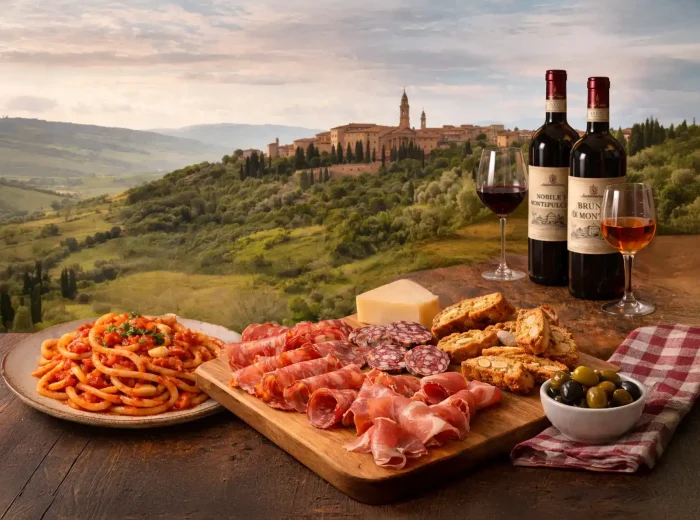
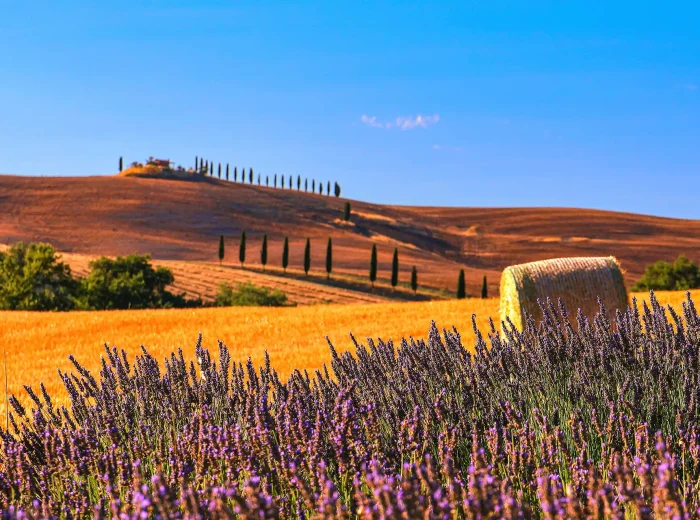
You might see a potter’s kiln full of clay artefacts ready to be fired and glazed, or a carpenter’s workbench for carving cypress wood, thereby taking the iconic image of the Val d`Orcia out into the world. You may also come across educational workshops where papier-mâché animals are made, intended for children but also for adults. The name of Pienza is also linked to a specific raw cotton fabric decorated with small diamond motifs, inspired by medieval paintings, which is known as Pienza cloth. The making of food and wine products is also artisanal, including pecorino cheese, as well as pasta, cured meats, oil, honey and typical desserts (see link). Beyond the historic centre, a couple of kilometres in the direction of Montepulciano, you will find the artisan district with its forges and the workshops of various artisans.
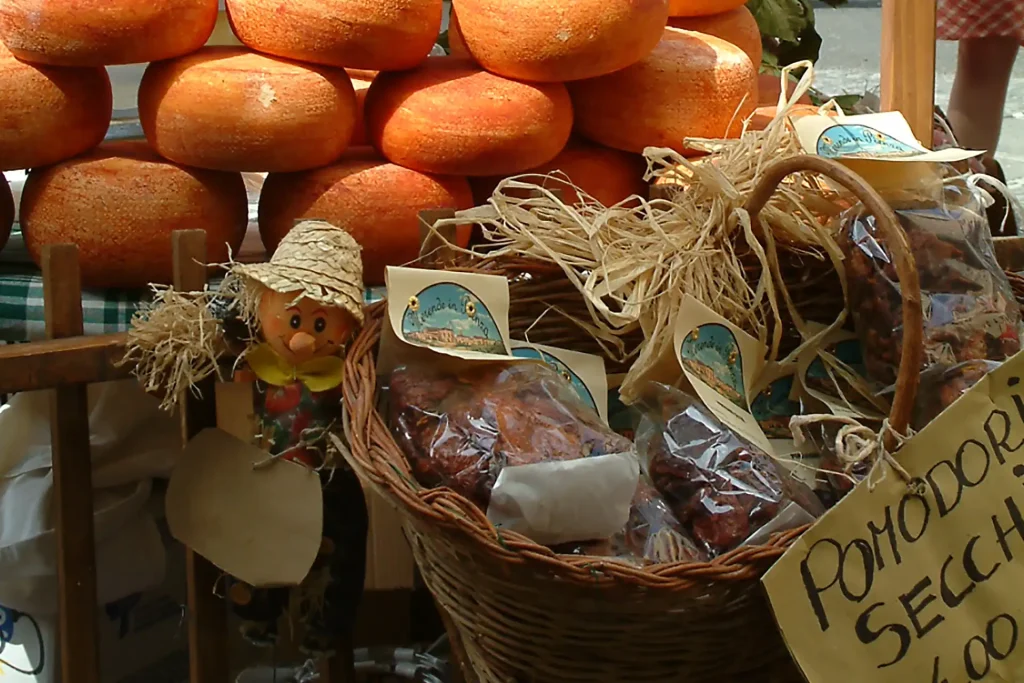
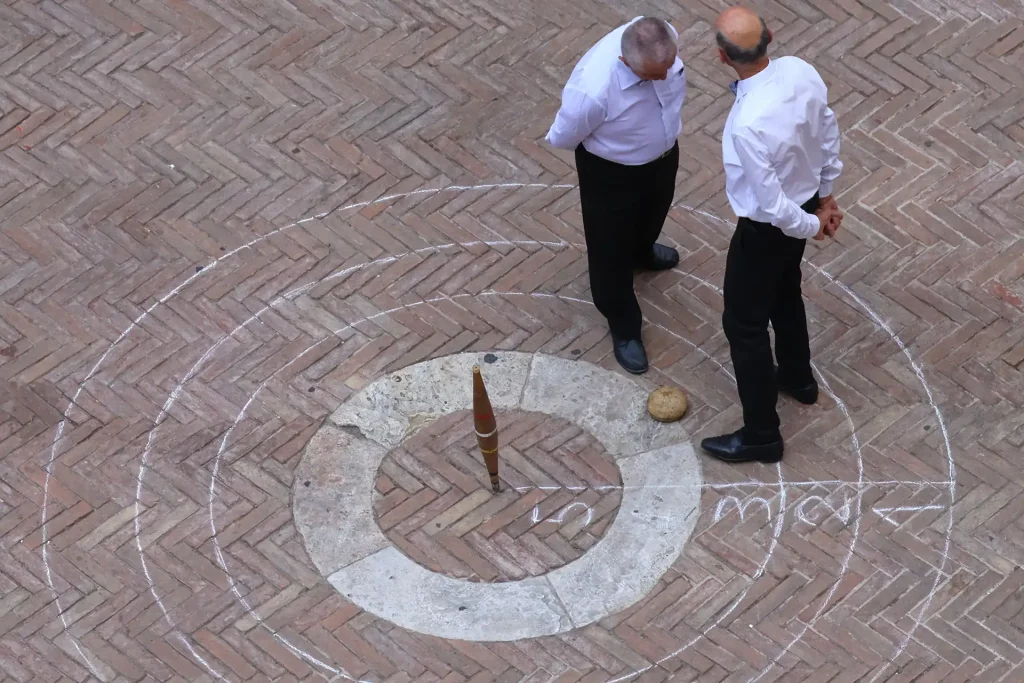
Pienza is proud of its traditions, which are regularly relived on an annual basis, bolstering the spirit of social aggregation. The event that best identifies Pienza is the Fiera del Cacio (Cheese Fair), which has been taking place since 1960 during the first week of September along the village streets. The culmination of the fair is characterised by the food and wine stalls and the Game of Cacio al Fuso, in which the Case Nuove, Casello, Gozzante, Le Mura, Il Prato and San Piero districts compete on the chequered paving in the square, by rolling a single wheel of cheese as close as possible to the spindle stuck in the central ring.
A score is given depending on the distance where the cheese comes to a halt. The rules are as simple as they are exciting for the cheering audience all around, in the setting of the papal square.
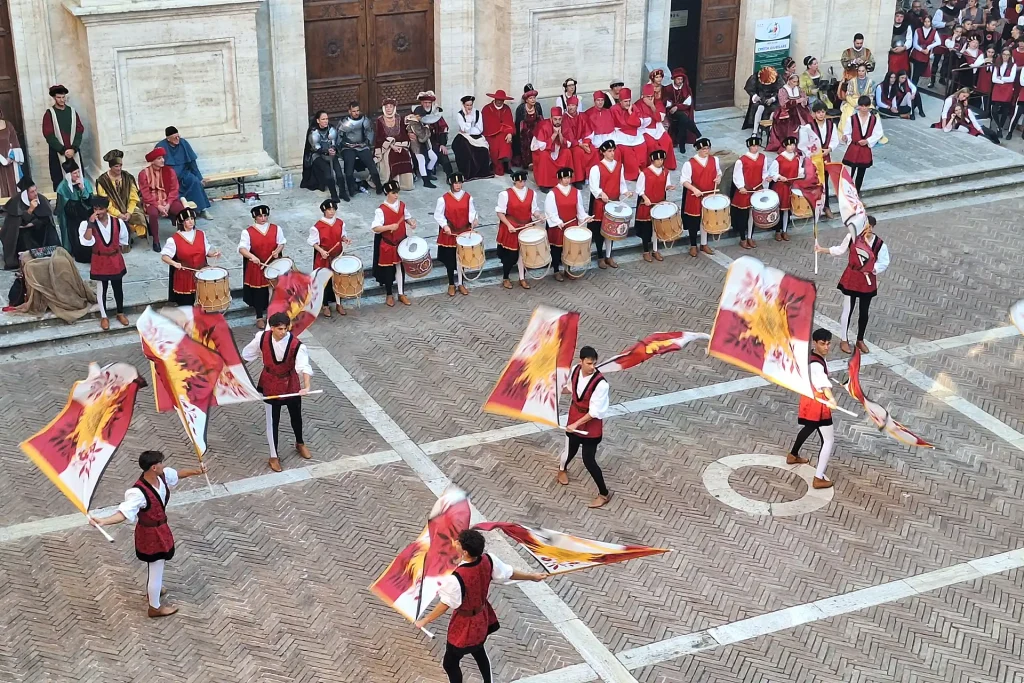
The Corsa di Pio race also takes place during the same celebration. It is a running race reminiscent of the sporting games that the Pope had set up for the inauguration of Pienza in 1462. The winner wins a terracotta goose. During the Christmas period, it is repeated with the Gioco del Panforte (Panforte Game). A Panforte, a wrapped Sienese cake, is thrown onto a long wooden table and must not fall over the edge. In May, the streets and squares are the protagonists of the Festa dei Fiori (Flower Festival), a triumph of colours, fragrances and scenic elements, carefully planned in the winter months. More recently established is the Literary Emporium event in June, during which Pienza hosts the festival dedicated to books and literature organised by Caffeina Eventi.
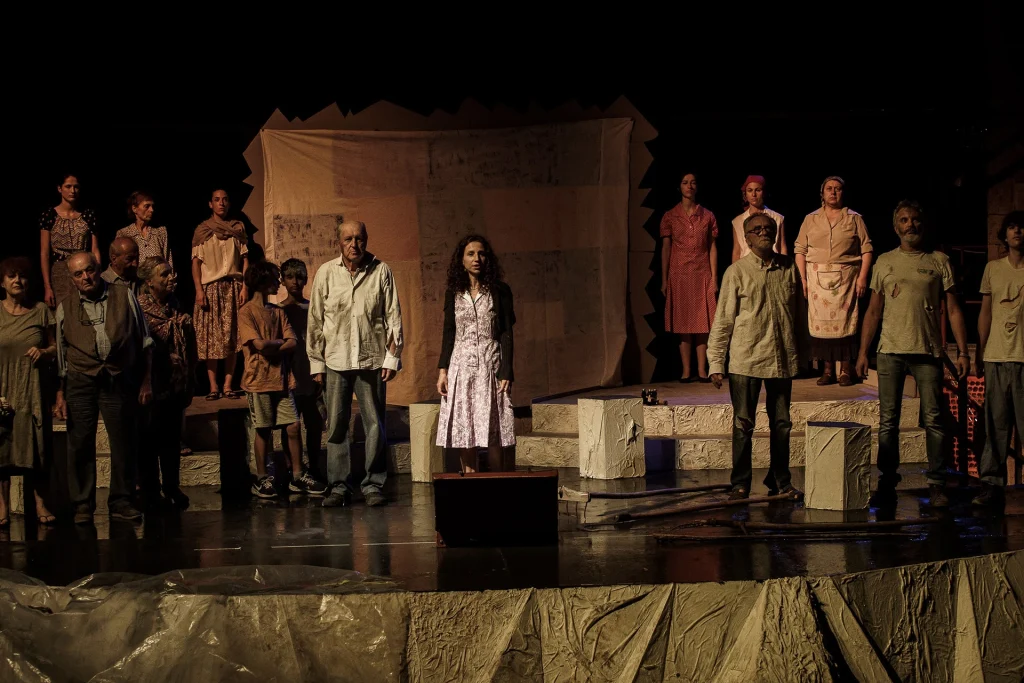
Since 1967, the Teatro Povero (Poor Theatre) continues to be held in Monticchiello in the month of August. It is a socio-cultural workshop in which the inhabitants, non-professional actors, assisted by a director, write and stage an autodrama focused on current events, but always including the constant common thread of the town’s sharecropping past made up of suffering, hard work and abuse, but also of nostalgia for an original purity that no longer exists. The religious traditions are equally popular. They include the Good Friday Procession, in which the people of Pienza parade by torchlight through the streets of the town, barefoot, with their faces covered and carrying the cross, the Corpus Domini Procession with the flower display and the Feast of Patron Saint Andrew the Apostle on 30 November. The relic of St Andrew’s jawbone is preserved in the cathedral.